
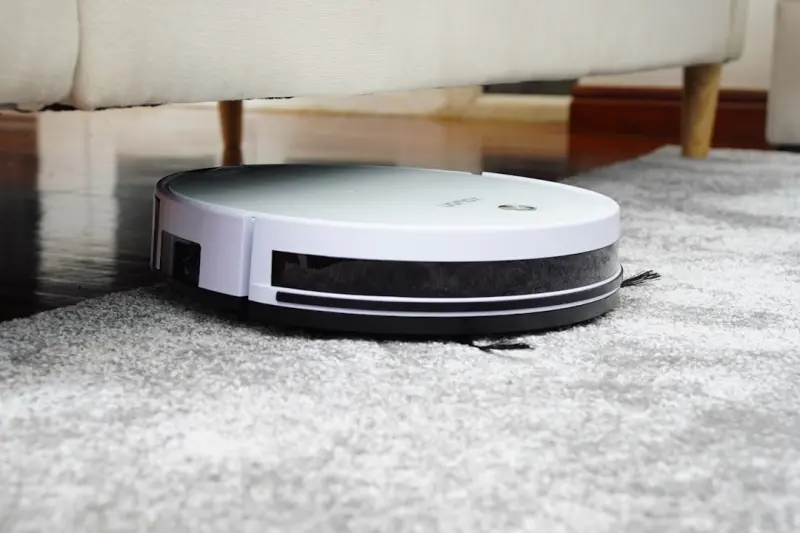
Why Carpet Care Needs a Brain: The Rise of Intelligent Cleaning
When I first walked into a sleek office lobby and saw a carpet that looked like a glossy runway, my gut reaction was, “That’s expensive. It must be cleaned by a team of experts every week.” Fast forward a few years, and the same space now boasts a discreet sensor panel tucked behind a decorative planter, constantly whispering data about foot traffic, humidity, and even the type of dirt that’s accumulating. The carpet isn’t just a passive floor covering anymore—it’s a living component of the building’s performance ecosystem.
From Passive to Proactive: The Evolution of Carpet Maintenance
Traditional carpet cleaning has always been reactive: you see a stain, you scrub; you notice a musty smell, you call the pros. That model is efficient enough for low‑traffic homes, but it quickly collapses under the demands of high‑density commercial spaces, co‑working hubs, and the new wave of “smart” residential environments. The paradigm shift we’re witnessing is a move from reactive to proactive maintenance, powered by three core technologies:
- IoT Sensors that monitor real‑time conditions on the carpet surface.
- Artificial Intelligence that translates raw data into actionable cleaning schedules.
- Automation Platforms that integrate carpet care with broader building management systems.
These tools don’t just keep the carpet looking immaculate; they safeguard the underlying fibers, extend the carpet’s lifespan, and reduce the environmental impact of over‑cleaning.
The Sensor Suite: What’s Being Measured?
Imagine a tiny, battery‑powered node embedded in the carpet backing. It can track a surprisingly rich set of parameters:
- Footfall Count – Using pressure‑sensitive grids, the sensor logs how many steps cross a given area each hour. High‑traffic zones (like reception desks) are flagged for more frequent attention.
- Humidity & Temperature – Moisture is the silent enemy of carpet fibers. By measuring ambient humidity at carpet level, the system can predict when mold spores might start to germinate.
- Particle Concentration – Optical sensors detect the density of airborne dust and particulates that settle onto the carpet, providing a proxy for indoor air quality.
- Stain Detection – Recent advances in hyperspectral imaging allow a sensor to differentiate between a coffee spill, a pet accident, or a simple dust layer based on the light spectrum reflected from the surface.
All this data streams to a cloud‑based analytics engine that learns the “normal” baseline for each zone. When an anomaly appears—say, a sudden spike in humidity after a rainstorm—the system can alert facilities managers or trigger an automated cleaning cycle.
Artificial Intelligence: Turning Data into Decisions
The raw numbers from the sensor suite are only as valuable as the insights they generate. This is where AI steps in. Using machine learning models trained on millions of cleaning events, the platform can:
- Predict the optimal cleaning interval for each carpet tile, balancing cleanliness with fiber wear.
- Recommend the most effective cleaning method (dry foam, hot water extraction, low‑moisture encapsulation) based on the type of contaminant detected.
- Calculate the projected cost savings of proactive cleaning versus emergency stain removal.
- Integrate with Digital Twin Energy Inspection data to align carpet cleaning cycles with HVAC load management, ensuring that dehumidification efforts are not wasted.
One of the most compelling outcomes is the creation of a “cleanliness scorecard” that visualizes performance across the entire floor plan. Facility managers can see at a glance which zones are on track and which need attention, turning carpet care into a transparent KPI.
Automation: The Glue That Binds Smart Carpets to Building Systems
Data and AI are powerful, but they reach their full potential only when they can trigger real‑world actions without human intervention. Modern building automation platforms—think of them as the conductor of an orchestra that includes HVAC, lighting, and now, carpet care—allow seamless integration.
When the AI predicts a cleaning window, it can automatically schedule a robot cleaner, adjust the building’s humidity setpoint to aid drying, and even pause nearby HVAC units to prevent re‑contamination. In high‑rise office towers, this coordination reduces the need for after‑hours cleaning crews, minimizing disruption to occupants.
For smaller residential setups, the system can send a push notification to the homeowner’s smartphone, recommending a quick DIY spot‑clean with a biodegradable solution. If the homeowner declines, the platform can arrange a service visit with a local professional, complete with an estimate generated in real time.
Environmental Upsides: Less Water, Less Chemicals, More Longevity
One of the hidden benefits of intelligent carpet care is its sustainability profile. Traditional deep‑cleaning methods often involve gallons of hot water, harsh detergents, and long drying times—all of which consume energy and generate runoff.
By cleaning only when necessary and selecting the most appropriate method, the AI can slash water usage by up to 40% and reduce chemical load by a similar margin. Moreover, extending the carpet’s service life delays the need for disposal, keeping synthetic fibers out of landfills for longer.
If you’re already exploring greener building strategies, consider how Smart Awnings are optimizing solar gain. Pairing smart awnings with intelligent carpet care creates a holistic approach: the awnings reduce solar heat, lowering HVAC demand, while the carpet system ensures indoor humidity stays in check, further easing HVAC load. The synergy is a win‑win for energy efficiency and occupant comfort.
Case Study: A Boutique Hotel’s Journey to Smart Carpet Care
To illustrate the impact, let’s walk through a real‑world example. A boutique hotel with 120 rooms and a grand lobby decided to pilot a smart carpet solution after experiencing recurring stain complaints and high water bills from traditional cleaning cycles.
- Installation Phase – The team placed low‑profile sensor nodes in the lobby carpet and in high‑traffic hallway sections. The sensors were calibrated to detect humidity spikes and stain signatures.
- Data Collection – Over a month, the system logged an average footfall of 1,200 steps per hour in the lobby, with humidity peaking after the nightly laundry cycle.
- AI Insights – The AI flagged that the lobby carpet needed a light dry‑foam refresh every 10 days, not the weekly hot‑water extraction the hotel had been using. It also identified a specific hallway tile that consistently showed coffee‑stain signatures, prompting staff to place a protective runner.
- Automation Execution – The platform automatically dispatched a low‑moisture cleaner on the recommended schedule and adjusted the HVAC dehumidifier settings to speed drying.
- Results – Within three months, water usage dropped by 35%, chemical consumption fell by 30%, and guest complaints about carpet stains dropped to near zero. The hotel’s CFO reported a 12% reduction in total carpet‑related operating costs.
This case demonstrates how the combination of sensors, AI, and automation can transform carpet care from a costly, reactive chore into a strategic, data‑driven service.
Implementation Considerations: What You Need to Know Before Diving In
While the technology is compelling, there are practical hurdles to navigate:
- Initial Investment – Sensor hardware, AI licensing, and integration with existing BMS (Building Management System) require upfront capital. However, ROI calculations often show payback within 12‑24 months thanks to water and labor savings.
- Data Security – Carpet sensors collect location‑specific data that could be sensitive in high‑security environments. Ensure that the platform complies with industry‑standard encryption and access controls.
- Compatibility – Not all carpet types are created equal. Natural fiber carpets (wool, sisal) may react differently to sensor embedding than synthetic fibers. Work with manufacturers that guarantee sensor compatibility.
- Maintenance of the Sensors – Although designed for low‑maintenance, sensors will need periodic battery checks or wireless power updates. Choose a system that offers remote diagnostics to minimize on‑site visits.
Addressing these concerns up front smooths the path to adoption and ensures you get the most value from the technology.
The Future Outlook: Beyond Cleaning to Carpet Health Monitoring
We’re already seeing early prototypes that go beyond cleaning. Imagine a carpet that not only signals when it’s dirty but also monitors its own structural integrity—detecting fiber wear, compression set, or even microbial colonization. When paired with the broader building digital twin, such a carpet becomes an active participant in the building’s health, feeding data that informs renovation schedules and sustainability reporting.
As the IoT ecosystem expands, we’ll likely see a convergence of carpet sensors with other building subsystems: lighting sensors that adjust illumination based on carpet color contrast, or occupancy sensors that use carpet pressure data to fine‑tune space utilization analytics. The humble carpet is poised to become a central node in the smart building network.
Getting Started: A Practical Roadmap for Facility Leaders
- Assess Your Needs – Map out high‑traffic zones, identify problem areas, and define your primary goals (e.g., cost reduction, sustainability, guest satisfaction).
- Choose a Vendor – Look for providers offering modular sensor kits, AI analytics, and proven integration with leading BMS platforms.
- Pilot the Solution – Start with a single zone (like a lobby or conference room) to validate ROI and refine the cleaning schedule.
- Scale Thoughtfully – Expand to other areas based on pilot results, ensuring that sensor placement and AI models are calibrated for each carpet type.
- Monitor & Optimize – Use the cleanliness scorecard to track performance, adjust AI parameters, and continually improve the system’s efficiency.
By following these steps, you can transform carpet care from a background task into a strategic lever for operational excellence.
Conclusion: Embracing the Intelligent Carpet Era
Carpets have always been more than just a decorative element; they’re a functional interface between people and the built environment. With the advent of IoT sensors, AI‑driven analytics, and seamless automation, they’re finally getting the respect they deserve. The shift to intelligent carpet care delivers tangible benefits—lower water use, reduced chemical exposure, extended carpet life, and measurable cost savings—while positioning your building at the forefront of sustainability and occupant comfort.
If you’ve been waiting for a sign to upgrade your carpet maintenance strategy, consider this your invitation. The technology is mature, the ROI is clear, and the environmental upside is undeniable. Let’s move beyond the era of “clean when you see a stain” to a future where the carpet itself tells you exactly when and how to be cleaned. The floor is yours—make it smart.

William Roy is a freelance writer originally from Montreal who moved to Ottawa with his wife of 50 years to be closer to their grandkids. Alongside his writing, William has a passion for fishing.
Related Posts

Why Your Business Should Treat Carpet Care Like a Competitive Advantage
Treat carpet cleaning as a strategic, data‑driven service to improve indoor air quality, employee ... Read More
Rethinking Carpet Care: Less Is More
Learn why aggressive carpet cleaning can damage fibers and how low‑moisture extraction, smart tool... Read More
Smart Carpet Cleaning: Harnessing Technology and Sustainability for Healthier Homes
Explore a fresh approach to carpet cleaning that blends natural solutions, smart sensors, and sustai... Read More
Top Posts

Creating Eco-Friendly Outdoor Spaces: Sustainable Sheds and Gazebos
Learn how to create eco-friendly outdoor spaces with sustainable sheds and gazebos, reducing your environmental impact while enjoying a peaceful retreat....Read More

AI‑Powered HVAC Zoning: The Future of Home Comfort
Explore AI‑powered HVAC zoning that learns your home’s rhythms, cuts energy bills, and integrates with smart devices for effortless, personalized comfort....Read More
Elevate Your Outdoor Space: The Ultimate Deck Design Guide
Create a stunning outdoor oasis with our ultimate deck design guide. Learn about materials, design essentials, and smart home technology to elevate your outdoor...Read More

Weather‑Smart Home Envelopes: A Proactive Playbook for Climate Resilience
A comprehensive guide to turning your home's envelope into a dynamic, sensor‑driven system that adapts to weather, saves energy, and boosts community resilien...Read More
0 Comments
Post Comment
You will need to Login or Register to comment on this post!