

Why the Quiet Guardians of Our Streets Deserve More Attention
When I first walked the city’s boulevards as a teenager, the towering silhouettes of trees were simply part of the backdrop—shade for a summer afternoon, a windbreak on a blustery night. Decades later, after years of pruning, diagnosing disease, and watching storms test the limits of these living pillars, I’ve come to see them as the unsung custodians of neighborhood vitality. Their health influences everything from sidewalk safety to the mood of the people who live and work nearby.
The Hidden Economics of Tree Maintenance
Most homeowners and property managers think of tree care as an optional expense, something to tackle when a branch threatens a vehicle or a storm has already caused damage. The reality is far more nuanced. A well‑kept canopy can reduce heating and cooling loads, protect foundations from excess moisture, and even increase property valuation. When a mature tree is left unchecked, the cost of remedial work—such as repairing sidewalks, replacing damaged utilities, or addressing water intrusion—can quickly outweigh the modest annual investment in professional pruning and health checks.
Consider a typical urban block with ten mature trees. An average data-driven upkeep strategy that includes seasonal inspections, targeted pruning, and soil health monitoring can cost a few hundred dollars per tree each year. By contrast, a single event where a tree falls during a storm can result in thousands of dollars in damage, not to mention potential liability claims. The arithmetic is clear: proactive care pays dividends.
Beyond Aesthetic Appeal: Functional Benefits
- Stormwater Management – Deep root systems absorb rainwater, decreasing runoff that can overload municipal drainage. This natural buffering helps keep streets clear of puddles and reduces the need for costly upgrades to storm sewers.
- Air Quality Enhancement – Leaves capture particulate matter, while the process of photosynthesis releases oxygen. In densely populated districts, a network of healthy trees can meaningfully improve the air that residents breathe.
- Safety and Navigation – Properly trimmed branches prevent them from obstructing sightlines at intersections, reducing the likelihood of accidents. Additionally, well‑maintained root zones keep sidewalks even, minimizing tripping hazards.
Common Missteps in Tree Care
Even with the best intentions, many property owners fall into patterns that inadvertently harm tree health:
- Over‑pruning – Removing too much foliage at once stresses a tree, limiting its ability to photosynthesize and store energy.
- Improper Timing – Each species has an optimal window for pruning. Cutting too early in spring can expose fresh wounds to pests, while late‑season work may interfere with the tree’s natural preparation for winter.
- Neglecting Soil Health – Compacted soil, inadequate nutrients, and improper pH can weaken a tree’s root system. Simple interventions like aeration and mulching can restore balance.
- Ignoring Early Signs of Trouble – Yellowing leaves, premature leaf drop, or unusual bark texture often signal underlying issues. Early detection allows for less invasive treatments.
Integrating Tree Care into Property Management Plans
For those who manage multiple buildings or oversee community spaces, embedding tree stewardship into the broader maintenance schedule yields smoother operations. Here’s a practical framework:
- Annual Assessment Calendar – Schedule a full canopy inspection each spring, followed by a quick check in autumn to catch any late‑season concerns.
- Specialist Partnerships – Establish relationships with certified arborists who can provide expert advice, especially for heritage or unusually large specimens.
- Record‑Keeping – Maintain a digital log of each tree’s species, age, last service date, and any treatments applied. This data becomes a valuable reference for future decisions.
- Community Engagement – Encourage tenants or residents to report observations—like cracks in bark or dead limbs—through a simple online form. Early community input can flag issues before they escalate.
Technology’s Role—Without the Hype
While I’m not a fan of over‑promising tech miracles, certain tools have proven useful when applied judiciously. Remote sensing devices, for example, can monitor soil moisture levels and alert managers when irrigation is needed. Similarly, simple GIS mapping can help visualize tree distribution across a site, highlighting gaps in coverage that might affect micro‑climates.
These tools are most effective when they complement, not replace, the trained eye of an arborist. A balanced approach—combining field expertise with targeted tech—ensures that interventions are both timely and appropriate.
Learning from Other Disciplines
Interestingly, many principles from outdoor structure ideas can be adapted for tree stewardship. Just as a well‑planned shed provides storage without crowding a garden, thoughtful pruning removes excess while preserving the tree’s natural form. The same philosophy applies to selecting the right structural material trends for a landscape: choose species that complement the site’s soil, light, and moisture conditions, rather than forcing a mismatched tree into an unsuitable niche.
Case Study: Revitalizing a Historic Street
In a mid‑sized town I consulted for, a historic main street suffered from declining foot traffic. The root cause? A series of neglected trees whose dead branches created an uninviting, shadow‑heavy canopy. By implementing a phased pruning schedule, improving soil aeration, and installing subtle moisture sensors, the town saw a noticeable increase in pedestrian flow within six months. Local businesses reported higher sales, and the city’s council praised the project as a model for cost‑effective community enhancement.
Future Outlook—A Call to Action
The next decade will bring increasing pressure on urban green spaces, whether from climate variability, denser development, or evolving public expectations. By treating tree care as a core component of property stewardship rather than an afterthought, owners can safeguard both the health of their assets and the well‑being of the people who rely on them.
If you haven’t yet integrated a structured tree‑care program, now is the moment to start. The benefits are tangible, the costs are manageable, and the positive ripple effects on safety, comfort, and community pride are undeniable.

David MacKinnon is a dynamic freelance writer known for his captivating storytelling and keen insights into the world of technology. With a passion for exploring the intersection of innovation and everyday life, he crafts engaging narratives that not only inform but also inspire his readers.
Related Posts
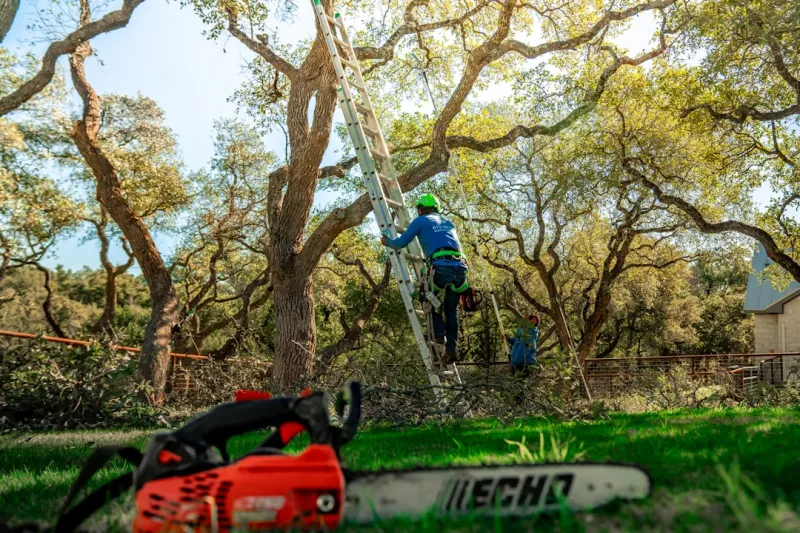
The Role of Trees in Sustainable Home Design
Trees play a vital role in sustainable home design, providing benefits like energy efficiency, air q... Read More
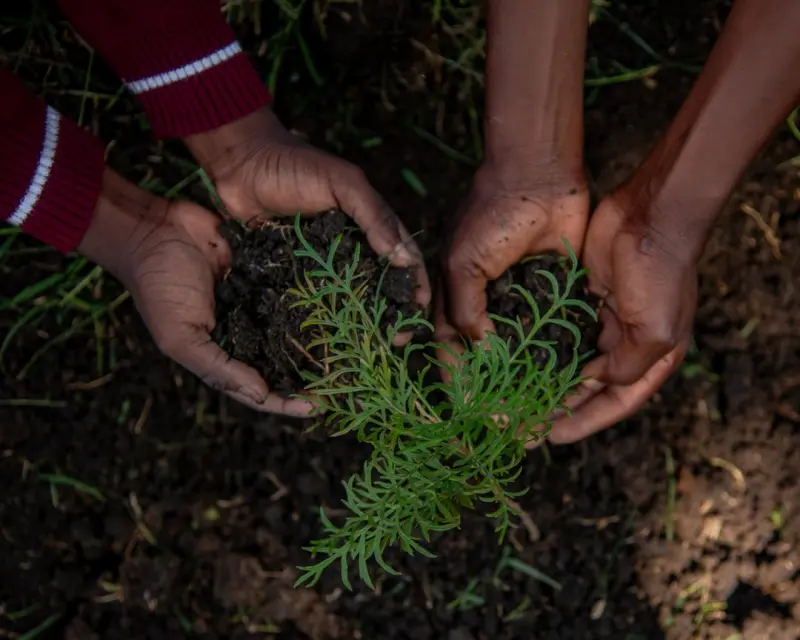
Nurturing Trees Year‑Round: A Holistic Guide to Soil, Water, and Pruning
Discover a season‑aware, holistic strategy for thriving trees—soil microbes, strategic mulching,... Read More
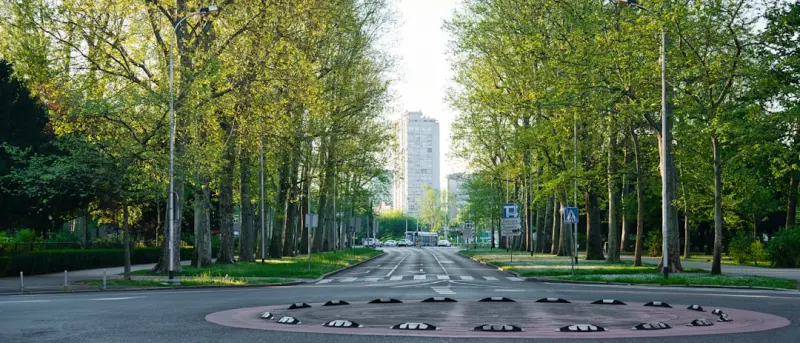
Microclimate Mapping for Urban Trees: A DIY Guide to Proactive Care
A practical, data‑driven guide shows property managers and homeowners how to set up inexpensive se... Read More
Top Posts

Beyond the Spot: A Scientific Approach to Mold Removal
A data‑centric workflow transforms mold removal from a reactive clean‑up into a proactive, health‑focused strategy, using low‑cost sensors, smart materi...Read More

Cultivating a Sensory Garden: A Personal Journey to a Living Sanctuary
Explore a personal guide to building a sensory garden that blends fragrance, texture, edible plants, and sustainable design, turning any backyard into a living ...Read More
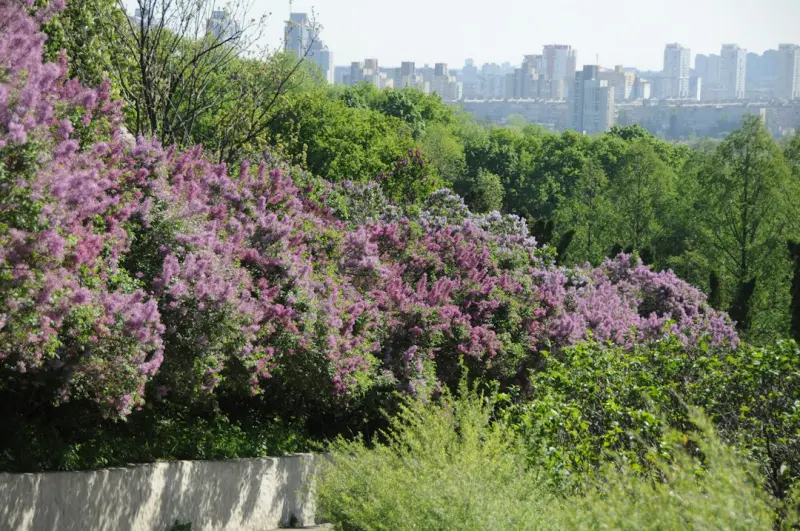
Cultivating Resilient Urban Forests: A Tree Care Blueprint for Sustainable Property Management
A deep dive into why trees are essential to sustainable property management, covering placement, health monitoring, species selection, financial incentives, and...Read More
The Future of Property Maintenance: How Sustainable Practices Are Revolutionizing the Industry
The property maintenance industry is undergoing a significant transformation, driven by the growing demand for sustainable practices. Learn how eco-friendly mat...Read More
0 Comments
Post Comment
You will need to Login or Register to comment on this post!