
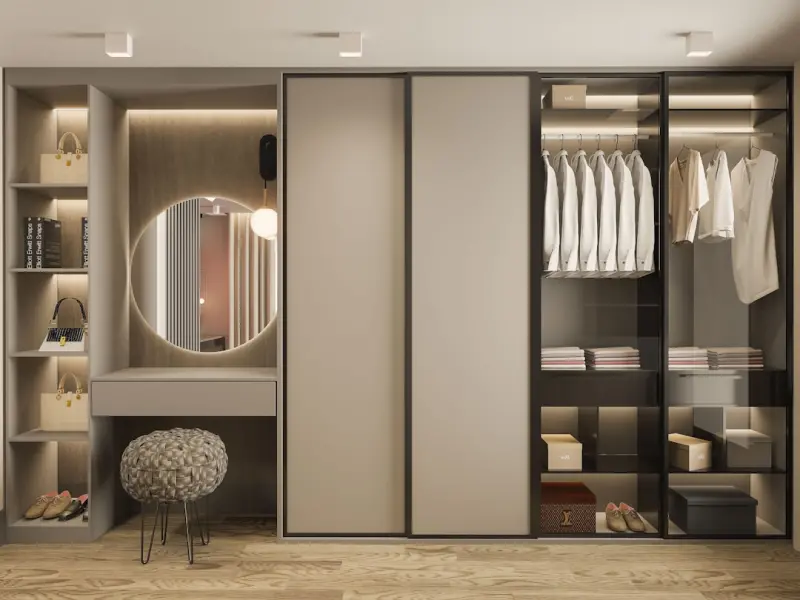
Why Traditional Closets No Longer Fit Modern Living
In dense urban environments, the classic walk‑in closet has become a luxury rather than a standard, and homeowners are forced to confront the stark reality that square footage is at a premium while wardrobes keep expanding; this tension creates a daily choreography of crammed drawers, overstuffed hangers, and the perpetual hunt for that elusive pair of shoes. Smart closet design steps in as a strategic response, turning the very constraints of limited space into a catalyst for creativity, and it does so by rethinking every inch of storage as an opportunity for efficiency, aesthetics, and even technology‑driven convenience. By treating the closet not merely as a passive repository but as an active, adaptable system, you can reclaim valuable floor area, streamline daily routines, and elevate the visual harmony of the entire home.
Modular Shelving: Building Flexibility Into Every Corner
Modular shelving systems are the cornerstone of any future‑proof closet, offering a plug‑and‑play architecture that can be rearranged, expanded, or reduced as your style evolves, and they do so without the need for permanent construction or costly renovations; each component—whether a cube, a hanging bar, or an adjustable shelf—locks into a robust frame that distributes weight evenly and maintains structural integrity. By embracing modular design principles, you gain the freedom to experiment with configurations—adding a shoe rack today, swapping in a pull‑out laundry basket tomorrow, and even integrating a small workstation during a remote‑work stint—without sacrificing the sleek, minimalist vibe that modern interiors demand. This adaptability not only maximizes storage density but also future‑proofs the space against lifestyle changes, seasonal wardrobe rotations, and emerging smart‑home technologies.
Vertical Integration: Reaching New Heights in Storage Capacity
When floor space is scarce, the vertical plane becomes the most valuable real estate, and floor‑to‑ceiling storage solutions can transform an underused wall into a powerhouse of organization; tall shelving units, cascading hanging rods, and tiered drawers make use of the often‑ignored height above eye level, turning an empty stretch of wall into a curated display of garments, accessories, and keepsakes. Sliding door panels or mirrored doors can conceal these vertical stacks, preserving a clean aesthetic while still granting effortless access via smooth glides or soft‑close mechanisms. By pairing high shelves with strategically placed pull‑down ladders or telescopic rods, you ensure that even the highest compartments remain within reach, eliminating the frustration of over‑reaching and reducing the risk of accidental spills or damage.
Hidden Compartments and Pull‑Out Innovations
Beyond the obvious shelves and rods, hidden compartments add an element of surprise and utility, allowing you to stash seasonal items, valuables, or rarely used pieces without cluttering the visible area; recessed drawers that slide out from within a wall, secret pockets behind hinged panels, and flip‑down ironing boards all contribute to a sleek, uncluttered silhouette while delivering maximum functionality. Pull‑out racks for belts, ties, and scarves transform chaotic bundles into orderly rows, and rotating carousel units can house handbags or hats, presenting each item at a glance without the need to rummage through piles. These smart accessories not only improve the visual calm of the closet but also reduce the time spent searching for specific items, streamlining morning routines and enhancing overall household efficiency.
Technology Meets Organization: Smart Closet Tools
Integrating technology into closet management turns a static storage space into an interactive hub, and a handful of digital tools can dramatically simplify inventory tracking, outfit planning, and even energy usage; RFID tags attached to garments communicate with a central hub, automatically updating a mobile app whenever an item is removed or returned, while barcode scanners can log purchases for future reference. Smart lighting—motion‑activated LED strips or color‑changing bulbs—illuminates the interior on demand, reducing the need for overhead fixtures and conserving energy. The following list highlights essential tech accessories for a contemporary closet:
- RFID or barcode tagging system for real‑time inventory.
- Companion mobile app for outfit suggestions based on weather and calendar.
- Motion‑sensor LED lighting with adjustable color temperature.
- Voice‑controlled assistants to set reminders for dry‑cleaning or wardrobe rotations.
Sustainable Materials: Eco‑Conscious Choices for a Green Closet
Choosing reclaimed wood, bamboo panels, or recycled metal brackets not only reduces the environmental footprint of your closet remodel but also adds a unique character that mass‑produced finishes often lack; these materials are durable, lightweight, and can be finished with low‑VOC paints or natural oils to maintain indoor air quality. Incorporating recycled glass for shelving inserts or repurposing vintage crates as decorative storage boxes can further enhance the sustainable narrative while providing visual interest. By prioritizing eco‑friendly components, you align your closet’s functionality with broader home‑wide sustainability goals, creating a harmonious balance between style, durability, and planetary responsibility.
Multi‑Use Integration: Turning the Closet Into a Functional Extension
Modern living demands spaces that serve multiple purposes, and a well‑designed closet can double as a compact home office, a mini‑gym, or a quiet reading nook without compromising its primary storage role; built‑in fold‑out desks, hidden yoga mats, and discreet shelving for books transform the area into a flexible zone that adapts to daily needs. Drawing inspiration from multi‑use space strategies, you can incorporate sliding partitions that conceal work surfaces during the day and reveal them at night, or install a pull‑out charging station that powers laptops, tablets, and smart wearables while keeping cords neatly tucked away. This dual‑function approach maximizes the return on every square foot, ensuring that the closet remains a vibrant, living part of the home rather than a static closet.
Step‑by‑Step Implementation Plan for Your Smart Closet
Begin by conducting a thorough audit of your current wardrobe, categorizing items by frequency of use, seasonality, and personal value; this data will inform the layout, guiding decisions about which zones require high‑visibility access and which can be relegated to hidden compartments. Next, sketch a modular grid that aligns with your wall dimensions, selecting interchangeable components—adjustable shelves, hanging rods, and pull‑out units—that can be reconfigured as your collection evolves, and prioritize vertical installations to free up floor space. After the structural framework is in place, integrate the technology layer by attaching RFID tags, installing motion‑sensor lighting, and connecting the system to a cloud‑based inventory app, ensuring that each piece communicates seamlessly with the next; finally, finish with sustainable materials, decorative touches, and a test run of the multi‑use features, refining the arrangement until the flow feels intuitive and the space truly feels like an extension of your lifestyle.
The Payoff: Boosted Efficiency, Well‑Being, and Home Value
Investing in a smart, modular closet delivers tangible benefits beyond the immediate visual upgrade, as organized storage reduces decision fatigue, accelerates morning routines, and even supports mental clarity by providing a tranquil, clutter‑free environment; research shows that orderly spaces correlate with lower stress levels and improved productivity, making the closet a subtle yet powerful contributor to overall well‑being. Moreover, the added functionality—such as integrated work surfaces, tech‑enabled inventory, and sustainable finishes—enhances the resale appeal of the home, positioning it as a forward‑thinking, eco‑conscious residence that appeals to discerning buyers. By marrying thoughtful design, cutting‑edge technology, and responsible material choices, you transform a simple storage room into a dynamic, value‑adding asset that serves you today and adapts to your tomorrow.

William Roy is a freelance writer originally from Montreal who moved to Ottawa with his wife of 50 years to be closer to their grandkids. Alongside his writing, William has a passion for fishing.
Related Posts
AI‑Powered Closets: Turning Wardrobe Space into a Competitive Asset
AI‑powered closets turn simple storage into a strategic asset by using IoT sensors and predictive ... Read More

Transform Your Closet Into a Productivity Powerhouse
Learn to treat your closet as a command center with modular systems, smart lighting, and simple habi... Read More

From Clutter to Competitive Edge: Leveraging Modular Storage
A data‑centric, modular approach to closet and storage management can transform wasted space into ... Read More
Top Posts

Resilient Home Design: Building for Tomorrow’s Climate Challenges
A deep dive into designing homes that withstand extreme weather, integrate renewable energy storage, and adapt to changing family needs, showcasing practical st...Read More
When Countertops Get Smart: How Embedded Tech Is Redefining the Heart of the Home
Smart countertops are evolving from static slabs into interactive platforms that sense, react, and predict, offering health, energy, and design benefits while p...Read More

Turning Reactive Repairs into Proactive Property Care: A Modern Maintenance Playbook
A seasoned property manager shares how shifting from emergency fixes to data‑driven, proactive maintenance can cut costs, boost tenant satisfaction, and turn ...Read More

Adaptive Reuse: Turning Legacy Buildings into Future‑Ready Commercial Spaces
Adaptive reuse lets businesses preserve cultural heritage, cut costs, and boost sustainability. Learn the strategic steps, technology tools, and design principl...Read More
0 Comments
Post Comment
You will need to Login or Register to comment on this post!