
Why Foundations Are the New Frontier for Smart Building Intelligence
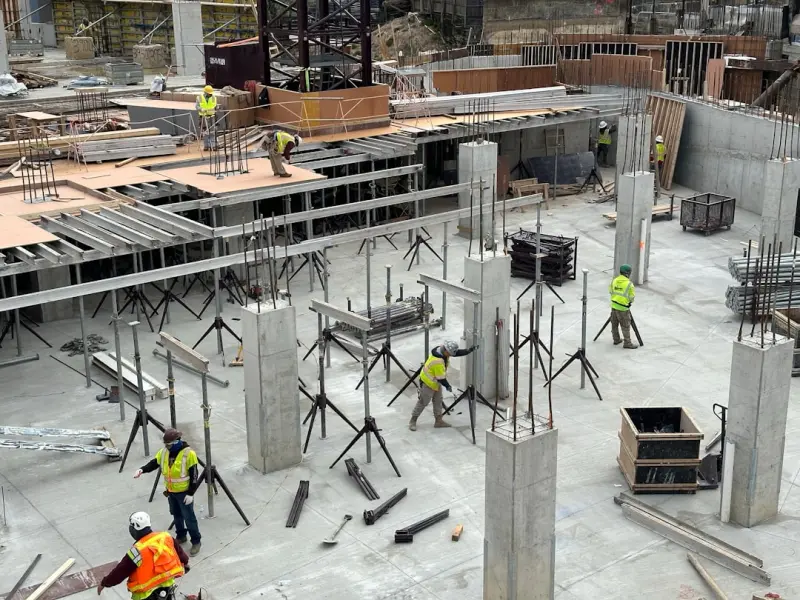
When most people think about “smart” construction, their minds drift to sleek glass facades, app‑controlled lighting, or AI‑optimized HVAC systems. Those are exciting, no‑doubt, but they’re the visible layer that sits atop the most critical, yet often invisible, part of a building – its foundation. As someone who has spent a decade overseeing site‑level engineering and watching the evolution from hand‑drawn footings to BIM‑driven models, I’ve learned that the foundation is the perfect canvas for the next wave of data‑centric design.
The Hidden Risks Lurking Beneath
Traditional foundations are designed to be rock‑solid, but they’re not immune to the subtle forces of nature and time. Soil settlement, moisture ingress, temperature‑induced expansion, and load shifts can all compromise structural integrity long before a visible crack appears on a wall. Historically, contractors relied on periodic inspections, manual moisture meters, and the occasional “feeling‑out” during construction. Those methods are reactive – you only know there’s a problem after it’s already manifested.
Enter Embedded Sensing: A Paradigm Shift
Imagine a foundation that talks to you. By integrating low‑power IoT sensors directly into concrete, rebar, and surrounding soil, you can capture real‑time data on:
- Settlement and deformation: Accelerometers and strain gauges report minute shifts that would otherwise be invisible.
- Moisture levels: Capacitive moisture sensors detect water ingress that can lead to corrosion or freeze‑thaw damage.
- Temperature gradients: Thermocouples monitor curing temperatures, ensuring optimal concrete strength development.
- Load distribution: Load cells embedded in footings track how weight is transferred from superstructure to subsoil.
All this data streams to a cloud dashboard where project managers, owners, and even insurance underwriters can monitor the health of a building from day one – and for the entire lifecycle.
From Concept to Construction: How It Works
The process begins at the design stage. Engineers specify sensor locations alongside traditional reinforcement. Sensors are ruggedized, battery‑operated, and often harvested energy from the concrete’s own electrochemical reactions – a technique called self‑powering concrete sensors. During the pour, the devices are placed in protective sleeves, ensuring they stay functional even as the concrete cures.
Once the foundation sets, each sensor forms a node in a mesh network. Using low‑energy protocols like LoRaWAN or Thread, the nodes relay data to a gateway stationed on the job site. From there, information is encrypted and sent to a SaaS platform where analytics apply machine‑learning models to differentiate normal behavior from outliers.
Real‑World Benefits That Extend Beyond Safety
While the most obvious advantage is early detection of structural issues, the ripple effects are compelling:
- Cost Savings: Early warnings prevent expensive remediation. A small moisture spike can be addressed with targeted drainage before corrosion spreads.
- Extended Asset Life: Continuous monitoring allows owners to fine‑tune maintenance schedules, prolonging the useful life of both foundation and superstructure.
- Insurance Premium Reductions: Insurers are beginning to offer discounts for buildings equipped with real‑time risk monitoring, as the probability of catastrophic failure drops.
- Sustainability Gains: Optimized curing reduces cement waste, and precise load monitoring can inform smarter material usage in future phases.
Integrating Foundations with the Wider Digital Twin Ecosystem
Many forward‑thinking firms are already creating digital twins of their structures. Adding foundation sensor data to that model completes the picture from ground up. The twin can simulate how a building will respond to seismic events, heavy equipment loads, or even climate‑driven groundwater shifts, providing a decision‑making tool that’s both predictive and prescriptive.
Lessons Learned from Early Adopters
During the pilot phase of a mixed‑use development in the Midwest, our team embedded a network of 120 sensors across 30 footings. The data revealed a slow settlement trend in one corner caused by a previously undetected clay pocket. By injecting a stabilizing grout before the superstructure was fully erected, we avoided a potential tilt that could have cost millions in rework.
Key takeaways from that project:
- Plan Sensor Placement Early: Retrofitting sensors after a pour is costly and often impractical.
- Standardize Data Formats: Use open protocols (e.g., OGC SensorThings) to ensure compatibility with other building systems.
- Invest in Edge Analytics: Local processing reduces bandwidth and provides instant alerts.
Bridging the Gap Between Traditional Masonry and Modern Sensors
While foundations are predominantly concrete today, the age‑old craft of masonry still plays a role in many projects, especially for historic retrofits. By marrying the durability of stone footings with discreet sensor packages, we can respect heritage aesthetics while gaining modern insights. Read more about how this synergy is reshaping building envelopes in our piece on Reimagining Masonry.
The Role of Modular Construction in Smart Foundations
Modular construction isn’t just about prefabricated walls; it extends to the foundation system. Pre‑engineered foundation modules that come with pre‑wired sensor arrays can be shipped and installed on site in a fraction of the time. This approach dovetails with the principles of Modular Momentum, delivering speed without sacrificing data fidelity.
Overcoming Common Barriers
Adopting sensor‑enabled foundations isn’t without challenges. Here are the most frequent obstacles and how to address them:
- Up‑front Cost Perception: While sensor packages add to initial expense, lifecycle cost analyses show a clear ROI within 3‑5 years due to reduced repairs.
- Data Overload: Implement tiered alert thresholds so stakeholders receive only actionable notifications.
- Regulatory Hurdles: Work with local building officials early; many jurisdictions are updating codes to accommodate “smart” structural monitoring.
- Skill Gaps: Upskill field crews with short certification programs focused on sensor installation and calibration.
Future Outlook: Foundations That Adapt
Looking ahead, the next evolution will be adaptive foundations that not only sense but also respond. Imagine a footing with embedded actuators that can inject expanding grout when a settlement is detected, or a foundation that adjusts its internal temperature to accelerate or slow concrete curing based on weather forecasts. Coupled with AI that learns from decades of sensor data, these foundations could become self‑optimizing structures, dramatically reducing human intervention.
Actionable Steps for Your Next Project
If you’re ready to bring this technology to your sites, start with a pilot. Choose a non‑critical building, define clear performance metrics, and partner with a sensor provider that offers open‑source integration. Document the outcomes, share the findings with stakeholders, and build a business case for broader rollout. The sooner we embed intelligence at the ground level, the more resilient and sustainable our built environment will become.
Conclusion: From Passive to Proactive
Foundations have always been the unsung heroes of construction – they bear the load, protect against the elements, and keep everything else standing tall. By giving them a voice through embedded sensors, we shift from a reactive maintenance mindset to a proactive, data‑driven stewardship. It’s an evolution that honors the timeless craft of foundation work while propelling it into the digital age. The ground beneath our feet is finally ready to tell its story – and we’re just beginning to listen.

When it comes to the world of blogging and writing, Rose DesRochers is a name that stands out. Her passion for creating quality content and connecting with her audience has made her a trusted voice in the industry. Aside from her skills as a writer and blogger, Rose is also known for her compassionate nature.
Related Posts
The Foundation Revolution: How Real‑Time Data Is Redefining Site Stability
Foundations are evolving from static concrete slabs into data‑rich, intelligent systems. Learn how... Read More

Foundations Reimagined: Building Resilience, Sustainability, and Intelligence from the Ground Up
A deep dive into how modern foundations are evolving beyond static bases to become climate‑resilie... Read More

Building a Climate‑Smart Foundation: Resilience, Sustainability, and Future‑Proof Design
Learn why a climate‑first foundation strategy, smart sensors, and regenerative landscaping are ess... Read More
Top Posts

Breathe New Life Into Vintage Windows: A DIY Home Repair Blueprint
Discover a comprehensive DIY process for restoring vintage wooden windows, from assessing damage and gathering tools to sealing, glazing upgrades, and long‑te...Read More

Light‑Modulating Window Treatments: Design, Health, and Brand Impact
Explore a fresh approach to window treatments that goes beyond glare control, integrating adaptive systems, natural materials, and acoustic benefits to enhance ...Read More

The Ultimate Guide to Floor Heating Systems: Benefits, Types, and Installation
Floor heating systems provide efficient and comfortable heat for homes. Learn about the different types, benefits, and installation requirements to choose the r...Read More

From Shed to Sanctuary: Crafting a Smart, Sustainable Backyard Retreat
Discover the step‑by‑step journey of turning a basic shed into a year‑round, eco‑friendly retreat—blending smart tech, sustainable materials, and styl...Read More
0 Comments
Post Comment
You will need to Login or Register to comment on this post!