

Why Insulation Matters Beyond the Walls
When I first tackled a cold‑spot problem in my own attic, I quickly realized that the usual wall‑cavity spray‑foam was only part of the puzzle; the real comfort gaps hide under my feet, behind doors, and even within the plumbing that circulates heat. Every unnoticed cavity is a silent energy thief, draining your heating bill while you sit shivering on the couch, unaware that the floor joists or a basement slab are leaking warmth into the void. This article walks you through those hidden zones, offering practical steps that blend old‑school craftsmanship with modern efficiency, so you can finally seal the leaks that have been haunting your thermostat.
Floor Systems: Insulating from the Ground Up
Most homeowners think of insulation as a wall‑only concern, but the floor assembly is the first line of defense against ground‑cold, especially in homes built on crawl spaces or concrete slabs; by layering rigid foam or reflective batts beneath the joists, you create a thermal barrier that stops cold from seeping upward. When I added a ½‑inch layer of XPS under my living‑room floorboards, the temperature rose noticeably within a day, and my energy meter reflected a modest yet meaningful dip. Pairing this with a sealed vapor barrier not only boosts energy savings but also prevents moisture from compromising the wood, extending the life of both flooring and structural components.
Basement and Slab Insulation: The Underground Advantage
Many older homes treat the basement as a neglected space, leaving walls bare and floors uninsulated, which creates a conduit for heat loss that travels straight through the foundation into the living areas above. By installing spray‑foam or dense‑pack cellulose on interior basement walls, you not only trap heat but also raise the relative humidity level, reducing the risk of condensation‑driven mold. For slab‑on‑grade homes, a thin layer of extruded polystyrene (XPS) placed beneath the concrete during construction—or retrofitted with a removable overlay in renovation projects—acts like a thermal blanket, cutting the conductive exchange that makes the floor feel like a refrigerator in winter.
Attic Hatches and Dormer Openings: Sealing the Forgotten Gaps
While most attic insulation projects focus on the roof deck, the small yet significant openings—attic hatch doors, dormer windows, and ventilation grills—often escape attention, forming thin‑sheet drafts that bypass even the thickest insulation blankets. I discovered that a simple magnetic gasket on my attic hatch, combined with foam weatherstripping around dormer frames, eliminated a persistent cold draft that had been plaguing the upstairs bedroom for years. These minor upgrades, costing pennies per square foot, create a continuous envelope that lets your existing insulation perform at its designed R‑value, delivering a noticeable comfort boost without the need for a full attic remodel.
Plumbing Insulation: Keeping Heat Where It Belongs
Hot water pipes running through unheated spaces act like long, leaky radiators, shedding heat before it reaches your faucet, while cold‑water lines in winter can turn shower walls into icy surfaces; wrapping these lines with foam pipe insulation or reflective sleeves preserves temperature and reduces the workload on your water heater. During a recent renovation, I wrapped all supply lines in the basement with ½‑inch foam sleeves, and the water heater’s cycling frequency dropped by roughly 15 %, translating into lower utility costs and a longer equipment lifespan. Don't forget to seal pipe penetrations through walls and floors with expanding foam, as these tiny gaps can undo the benefits of your pipe insulation by allowing drafts to infiltrate.
Doors, Windows, and Supplemental Barriers: The Final Seals
Even the most airtight walls and floors can be undermined by leaky doors and windows; installing low‑E glass, adding interior storm panels, or applying insulated door sweeps can dramatically reduce the thermal bridge effect that frames create. I swapped out a drafty front door for a model with integrated weatherstripping and a thermal break, noticing an immediate drop in hallway chill and a quieter home during winter winds. Complementing these upgrades with heavy, insulated curtains provides a secondary barrier that traps warmth at night, giving you a layered defense system that works hand‑in‑hand with your structural insulation.
Smart Integration: Turning Insulation into a Responsive System
Modern homes benefit from technology that monitors and reacts to temperature changes; by connecting your insulation upgrades to a smart thermostat and leveraging data from Smart Home Hacks, you can fine‑tune heating cycles to match actual heat loss patterns, ensuring energy isn’t wasted heating already‑warm zones. I installed temperature sensors in the basement, attic, and upstairs hallway, allowing the thermostat to prioritize heating the areas where insulation was weakest, which resulted in a more even temperature distribution and a 10 % reduction in monthly heating costs. This synergy between physical upgrades and digital control transforms static insulation into an active participant in your home’s climate management.
Future‑Proofing with Adaptive Architecture Principles
Looking ahead, the concept of Adaptive Architecture encourages designers to embed flexibility into building envelopes, allowing insulation layers to be added, removed, or upgraded as climate demands evolve; this mindset is especially valuable for retrofit projects where space constraints limit traditional solutions. By selecting modular insulation panels that snap into existing wall cavities or using removable foam inserts for attic floors, you create a system that can be reconfigured without major demolition, keeping your home resilient against future energy standards. Embracing these adaptive strategies not only safeguards your investment but also aligns your residence with sustainable building practices that prioritize long‑term performance over short‑term fixes.
Actionable Checklist: Your Roadmap to Whole‑Home Insulation
- Assess floor cavities and add rigid foam or reflective batts beneath joists.
- Seal basement walls with spray‑foam or dense‑pack cellulose; consider XPS under slabs.
- Install magnetic gaskets and foam weatherstripping on attic hatches and dormer frames.
- Wrap all hot and cold water pipes with foam sleeves; seal penetrations with expanding foam.
- Upgrade doors with thermal breaks and sweeps; add low‑E glass or interior storm panels to windows.
- Integrate smart sensors and thermostats to match heating cycles with actual heat loss.
- Choose modular insulation products that support future upgrades and adaptive design.
By tackling these often‑overlooked areas, you’ll convert hidden drafts into sealed comfort zones, enjoy lower utility bills, and future‑proof your home against changing climate conditions—all while preserving the aesthetic and structural integrity that makes your space uniquely yours.

Lifan Chen is a freelancer based in Toronto specializing in marketing. With expertise in crafting effective marketing strategies and campaigns, Lifan helps businesses grow their brand presence and reach target audiences. As a Toronto-based freelancer, Lifan combines local market insights with creative marketing skills to deliver tailored solutions for clients.
Related Posts
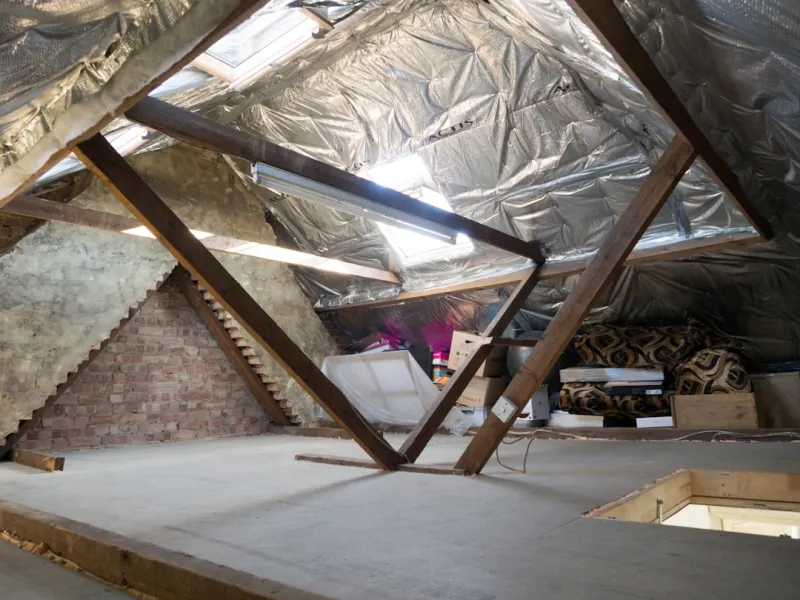
The Importance of Insulation in Sustainable Home Design
Insulation plays a crucial role in sustainable home design, reducing energy consumption and promotin... Read More
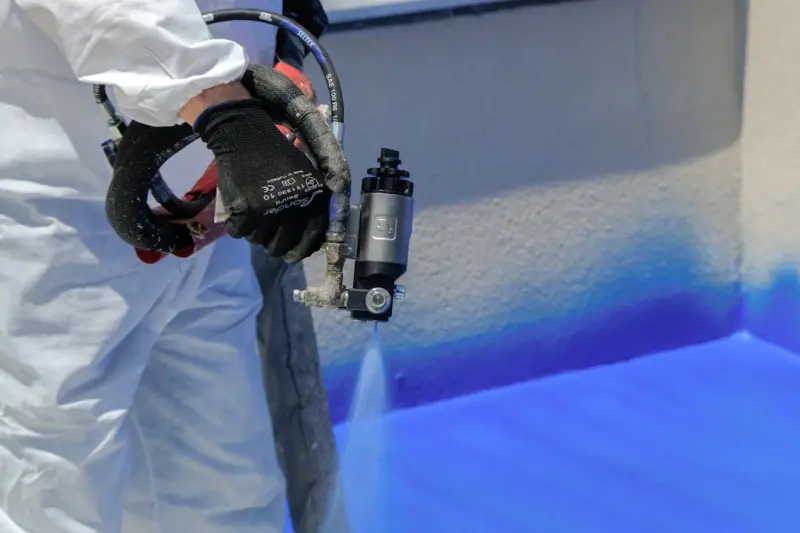
The Invisible Advantage: How Smart Insulation Is Redefining Building Performance
Insulation is evolving from a passive barrier to a data‑driven performance layer. Learn how advanc... Read More
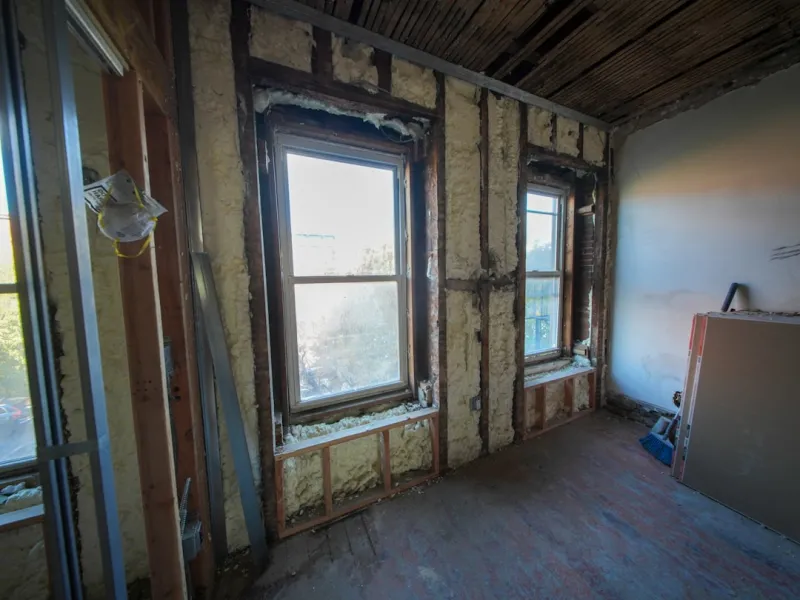
The Evolution of Insulation: How Modern Materials Are Changing the Game
Insulation has come a long way in recent years, with modern materials and technologies offering supe... Read More
Top Posts
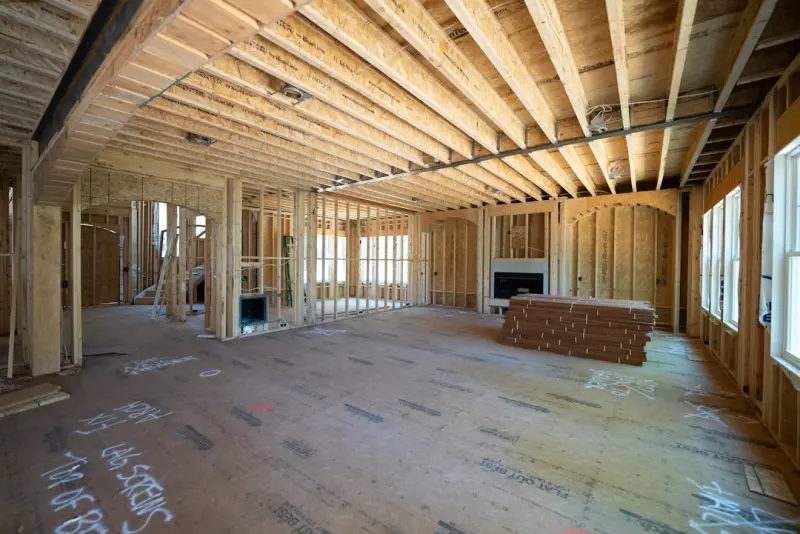
Creating a Multi‑Generational Home Addition That Works for Everyone
A multi‑generational home addition blends accessibility, flexibility, and smart design to keep families close while respecting privacy and modern work needs. ...Read More
The Evolution of Insulation: How Modern Materials Are Changing the Game
Insulation has come a long way in recent years, with modern materials and technologies offering superior performance and sustainability. Learn about the evoluti...Read More
The Smart Homeowner’s Guide to Bathtub Refinishing: Cost, Quality, and Longevity
Learn why bathtub refinishing is a cost‑effective, eco‑friendly upgrade, how to choose finishes, and what to expect from professionals—all to boost your b...Read More

The Art of Furniture Restoration: A Sustainable Approach to Revitalizing Your Home
Furniture restoration is a sustainable way to reduce waste, conserve resources, and create one-of-a-kind pieces for your home. Learn how to get started with DIY...Read More
0 Comments
Post Comment
You will need to Login or Register to comment on this post!