

The Hidden Cost of Ignoring Mold: A Proactive Playbook for Facility Managers
When I first stepped onto a downtown office tower that smelled faintly of damp earth, I thought I was walking into a greenhouse. The reality? A silent infestation of mold had taken hold behind the walls, and the building’s occupants were paying for it in health complaints, productivity drops, and unexpected maintenance bills. I’ve spent the last decade navigating the labyrinth of building systems, and one truth has emerged crystal clear: mold is not a “nice‑to‑fix” problem; it’s a revenue‑draining liability that can be mitigated long before spores ever set foot on a surface.
In this playbook, I’ll walk you through a three‑phase approach that blends on‑the‑ground inspection techniques with emerging data tools, all while keeping an eye on the bottom line. Think of it as a “Mold‑First” mindset—a strategic shift that positions mold removal as an integral part of asset management rather than an after‑the‑fact cleanup job.
Phase 1: Mapping the Invisible—Detect Before You Defeat
Most facility managers still rely on visual checks or the occasional complaint to spot mold. That’s akin to using a flashlight in a storm— you’ll see something, but you’ll miss the bulk of it. The first step is to turn the invisible visible.
- Deploy IAQ sensors strategically. Modern indoor‑air‑quality (IAQ) sensors can track relative humidity, temperature fluctuations, and volatile organic compounds (VOCs) that often precede fungal growth. By mapping sensor data across zones, you create a heat map of “high‑risk” pockets.
- Leverage existing building automation data. Your HVAC system already records temperature set‑points and fan cycles. Integrate these logs with IAQ streams to spot patterns—like a cooling coil that runs longer than usual, which can create condensation on ducts.
- Schedule targeted moisture audits. Use a calibrated hygrometer to validate sensor alerts. Focus on concealed spaces: crawl spaces, dropped ceilings, and behind wall panels where moisture accumulates unnoticed.
When you combine real‑time IAQ data with historic system logs, you get a predictive model that flags a zone before the first black spot appears. It’s an investment, but one that pays off by reducing emergency remediation costs.
Phase 2: The Tactical Toolkit—From Containment to Eradication
Once you’ve identified a hot spot, the next step is to act decisively. Here’s how I structure the tactical response:
1. Containment First
Before you swing a brush or a spray bottle, isolate the affected area. Seal off HVAC return vents, install negative‑pressure barriers, and ensure workers wear N‑95 respirators. Containment prevents spores from traveling to pristine zones during removal.
2. Choose the Right Removal Method
Not all mold is created equal. While Stachybotrys chartarum (black mold) demands aggressive remediation, many common indoor molds can be tackled with less invasive methods:
- Mechanical removal. For porous materials (drywall, carpet), removal and replacement is the safest route.
- Biocide application. For non‑porous surfaces (concrete, metal), EPA‑approved fungicides work effectively when applied per manufacturer guidelines.
- Dry‑ice blasting. A newer technique that freezes mold colonies, making them brittle enough to vacuum away without water‑induced spread.
3. Verify with Post‑Remediation Testing
After cleanup, run a second round of IAQ measurements and surface swabs. A drop in spore counts and stabilized humidity confirms success. Document everything—photos, sensor logs, and lab reports—to protect against future liability.
Phase 3: Building Resilience—Designing Out Moisture
Removal solves the immediate problem, but the real ROI comes from preventing recurrence. Below are strategies that have worked in my experience across office towers, schools, and industrial sites.
Integrate Moisture‑Resistant Materials
When renovating, opt for water‑resistant drywall, vapor‑barrier paint, and closed‑cell spray foam in crawl spaces. These choices raise the “drying time” threshold, meaning a leak has to be more severe before moisture builds up.
Implement Proactive waterproofing strategies
Beyond just applying sealants, embed moisture sensors behind waterproofing membranes. These sensors trigger alerts the moment water penetrates, giving you a heads‑up before a mold colony can germinate.
Upgrade Drainage and Ventilation
Check that all roof drains, gutters, and downspouts are free of debris—a neglected gutter can drip onto a roof deck, soaking insulation. Pair this with a balanced ventilation system that exchanges indoor air without over‑humidifying the space. A well‑ventilated building naturally discourages mold growth.
Leverage hands‑on plumbing insights for leak detection
Even minor pipe leaks can become major mold sources over weeks. Install acoustic leak detectors on critical pipe runs, and schedule routine pressure testing. Early detection saves thousands in remediation later.
Adopt Data‑Driven Maintenance
Integrate IAQ sensor data into your Computerized Maintenance Management System (CMMS). Set up work orders automatically when humidity exceeds a threshold for more than 48 hours. This turns mold prevention into a repeatable, auditable process.
Case Study: Turning a Mold Nightmare into a Cost‑Saving Success
One of my recent projects was a 12‑story office building in a humid coastal city. The building manager reported frequent “musty” odors and rising absenteeism. A quick visual inspection revealed nothing, but IAQ sensors flagged a humidity spike of 70 % in the fifth‑floor conference wing.
We deployed a moisture audit and discovered a slow leak in an over‑head pipe that had been dripping onto the ceiling grid for months. The condensation seeped into the acoustic tile, creating a perfect mold breeding ground. Using the three‑phase approach:
- We isolated the wing, installed negative pressure, and removed contaminated tiles.
- Applied a biocide on the exposed metal framework and replaced the acoustic tiles with mold‑resistant panels.
- Integrated a moisture sensor directly onto the pipe, set up a CMMS alert, and upgraded the HVAC’s dehumidification set‑point for the entire floor.
The result? Within two weeks, spore counts dropped by 95 %, employee complaints vanished, and the building avoided an estimated $120,000 in health‑related downtime. The upfront sensor and remediation costs paid for themselves in less than three months.
Future‑Proofing: The Role of AI and Predictive Analytics
While sensors give us real‑time data, the next leap is to let algorithms forecast mold risk. By feeding historic humidity trends, weather patterns, and occupancy schedules into a machine‑learning model, you can receive a “mold risk score” weeks in advance.
In pilot tests, such models have reduced surprise mold incidents by 70 % compared to traditional reactive approaches. If you’re already using AI‑powered energy inspection tools, consider extending the data pipeline to include IAQ and moisture metrics. The synergy between energy efficiency and mold prevention is a win‑win for sustainability and cost control.
Key Takeaways for the Modern Facility Manager
- Detect early. IAQ sensors and moisture audits turn invisible threats into actionable data.
- Contain and eradicate. Follow a disciplined removal protocol to avoid cross‑contamination.
- Build for resilience. Choose moisture‑resistant materials, upgrade drainage, and embed sensors in waterproofing layers.
- Automate prevention. Tie sensor alerts to your CMMS for seamless work‑order generation.
- Leverage AI. Predictive analytics can forecast mold risk, turning remediation from reactive to proactive.
By treating mold not as a one‑off cleanup but as a data‑driven, ongoing maintenance discipline, you protect your occupants, your reputation, and your bottom line. The hidden cost of ignoring mold is far greater than the modest investment required to stay ahead of it.

David MacKinnon is a dynamic freelance writer known for his captivating storytelling and keen insights into the world of technology. With a passion for exploring the intersection of innovation and everyday life, he crafts engaging narratives that not only inform but also inspire his readers.
Related Posts
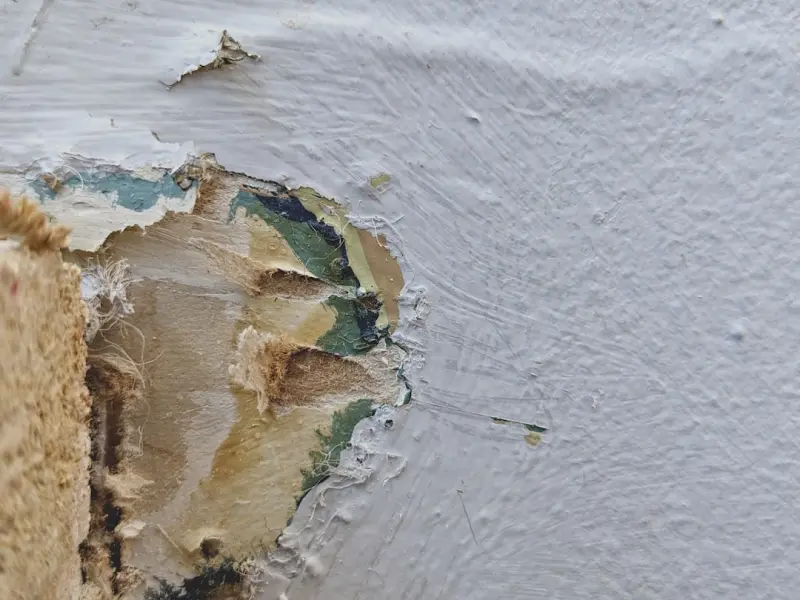
Mold Removal Mastery: Turning a Hidden Threat into a Home Wellness Habit
Learn how to turn mold removal into a simple, wellness‑focused routine using smart tools, smart ha... Read More
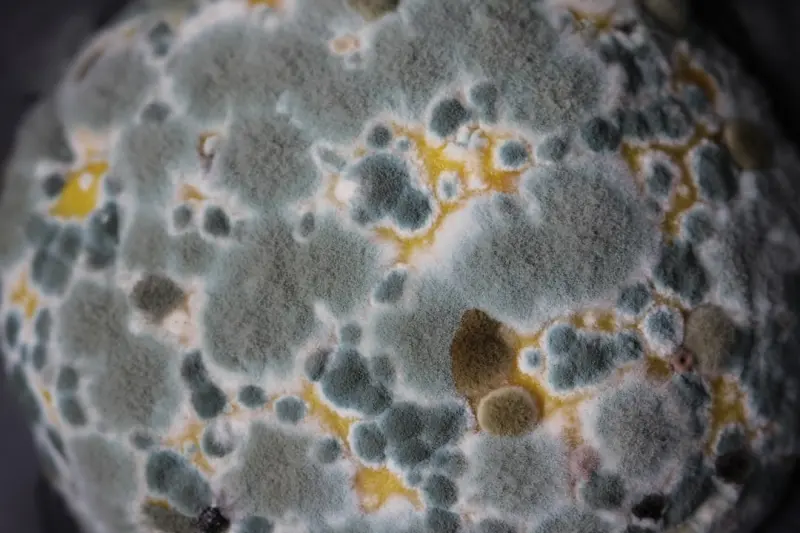
Predictive Mold Removal: Turning Data Into a Clean, Healthy Building
A fresh look at mold removal shows how continuous humidity monitoring, smart ventilation, and AI-pow... Read More
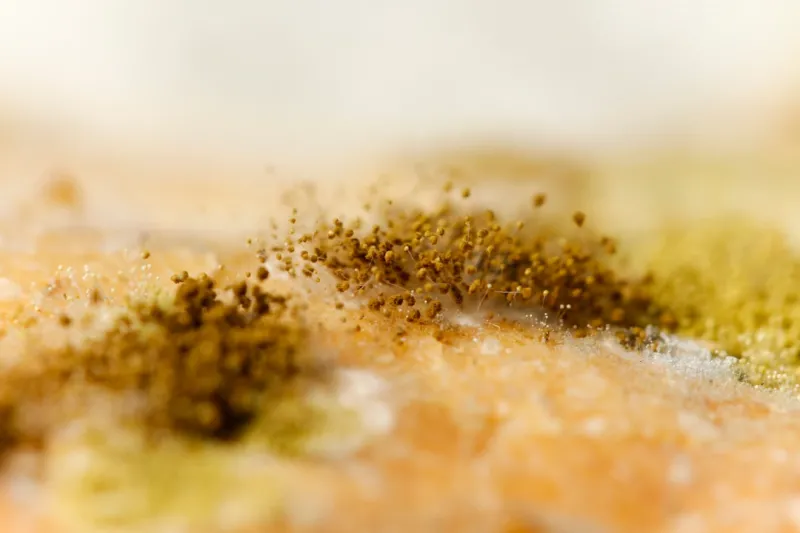
The Hidden Dangers of Mold in Your Home: A Comprehensive Guide
Mold growth is a serious threat to your home's health and integrity. Learn how to prevent and remove... Read More
Top Posts

The Silent Revolution: How Acoustic Windows & Doors Redefine Home Comfort
Acoustic windows and doors are reshaping modern living by dramatically reducing external noise while maintaining design flexibility and energy efficiency, offer...Read More

The Rise of Smart, Sustainable Window Treatments
Discover how smart fabrics, automation, and sustainable materials are transforming window treatments into essential tools for comfort, style, and energy efficie...Read More

AI-Powered Facades: Rethinking Building Skins for Climate Resilience
An in‑depth look at AI‑powered façade systems, revealing how parametric design, real‑time data, and sustainable materials reshape building envelopes for ...Read More
The Art of Drywalling: A Comprehensive Guide
Drywalling is a crucial step in construction and renovation, providing a smooth surface for painting and finishing. Learn the basics and master the art with thi...Read More
0 Comments
Post Comment
You will need to Login or Register to comment on this post!