
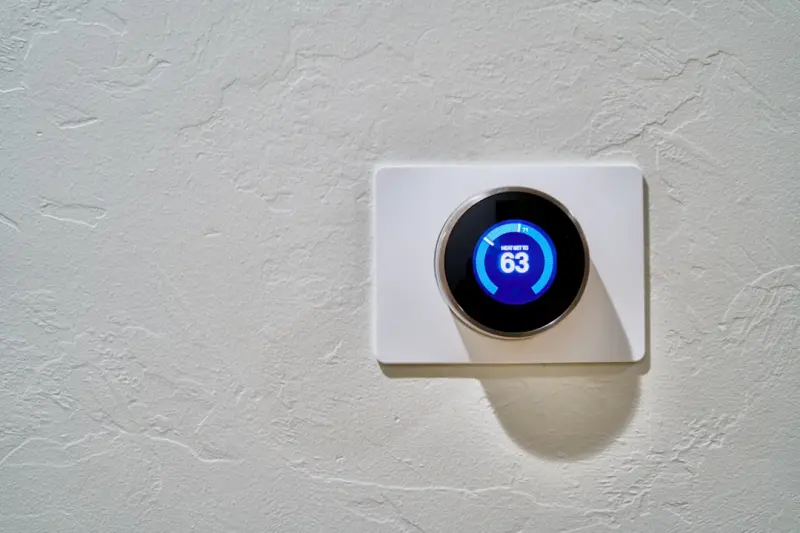
Why Traditional HVAC Is Stuck in the Past
Most residential heating and cooling systems were engineered for a single‑zone, one‑size‑fits‑all approach. The thermostat sits on a wall, you set a temperature, and the furnace or air conditioner dutifully works to meet that target. In reality, our homes are dynamic ecosystems: rooms fill and empty, sunlight streams in at different angles, and occupants have individual comfort preferences. The old paradigm forces a compromise—some spaces are too hot, others too cold, and the system runs longer than necessary, inflating utility bills and carbon footprints.
The Rise of Dynamic Zoning
Dynamic zoning reimagines HVAC as a responsive network rather than a monolithic block. Instead of a single thermostat, a series of micro‑controllers, smart vents, and variable‑speed fans collaborate to deliver precisely the amount of heating or cooling each zone needs, when it needs it. This concept is powered by three converging technologies:
- AI‑driven algorithms that learn occupancy patterns and predict thermal loads.
- Wireless sensor arrays embedded in walls, ducts, and even wearable devices that continuously feed temperature, humidity, and motion data.
- Variable‑capacity equipment such as inverter compressors and multi‑stage fans that can modulate output in fine increments.
The result is a home that feels comfortable everywhere, while the HVAC system operates at a fraction of its previous runtime.
How Wearable Sensors Close the Feedback Loop
One of the most exciting developments is the integration of personal wearables—smart watches, fitness bands, or even skin‑adhesive temperature patches—into the climate control loop. These devices already track body temperature, heart rate, and activity level. By securely sharing this data with the home’s HVAC controller, the system can infer a person’s perceived comfort in real time.
Imagine you’re working from home in a quiet office nook. Your smartwatch detects that you’ve been sitting still for the past hour, indicating a lower metabolic heat production. The HVAC system subtly lowers the temperature in that zone, preventing you from overheating without you ever touching a thermostat.
Conversely, when you step into the living room after a workout, the sensors notice an elevated heart rate and body temperature. The system instantly ramps up cooling in that area, ensuring you stay comfortable as you transition from activity to relaxation.
Predictive Maintenance: Moving From Reactive to Proactive Care
Dynamic zoning also transforms how we think about HVAC upkeep. Traditional maintenance is reactive—technicians show up after a failure or at a scheduled interval, often without insight into the system’s actual health. With a dense sensor network, the HVAC controller can monitor motor vibrations, refrigerant pressure, coil fouling, and filter loading in real time.
Machine‑learning models analyze these data streams to spot anomalies that precede failures. For example, a slight increase in compressor current combined with a subtle rise in discharge temperature might signal impending wear. The system can automatically generate a service ticket, order the exact replacement part, and even suggest the optimal time for a technician visit, minimizing downtime and extending equipment lifespan.
Integrating HVAC with On‑Site Renewable Generation
Many homeowners are installing rooftop solar panels or small‑scale wind turbines. However, the synergy between renewable generation and HVAC is often overlooked. Dynamic zoning makes it easier to align heating and cooling demand with the moments when renewable power is abundant.
When the solar array is producing peak power on a sunny afternoon, the system can prioritize high‑efficiency heat‑pump operation for water heating or pre‑cooling the home, storing thermal energy for later use. During low‑generation periods, the system can gracefully reduce load, relying on stored thermal energy or shifting non‑critical tasks to off‑peak hours.
Case Study: A Home That Learns and Adapts
Consider a three‑story, 2,500‑square‑foot house in a temperate climate. The owners installed a dynamic zoning retrofit consisting of:
- Four AI‑enabled zone controllers, one per floor.
- Twenty‑four wireless temperature/humidity sensors placed in living spaces, bedrooms, and the attic.
- Two wearable‑friendly hubs that pair with family members’ smart watches.
- A variable‑speed inverter heat pump and smart vents capable of modulating airflow.
Within two weeks, the AI algorithm mapped occupancy trends: the master bedroom was used primarily from 10 p.m. to 7 a.m., the home office saw intermittent use during daytime, and the family room was busiest in the evenings. The system adjusted setpoints accordingly, resulting in a 28 % reduction in heating energy and a 31 % reduction in cooling energy compared to the previous year’s utility bills.
Moreover, the predictive maintenance module flagged a slight degradation in the outdoor fan motor after six months. A technician arrived with the exact replacement part, performed a quick swap, and the system logged the event, preventing a potential failure during the hottest week of summer.
Overcoming Common Barriers
Despite its promise, dynamic zoning faces hurdles that often deter homeowners:
- Up‑front cost: Installing sensors, smart vents, and compatible HVAC equipment requires an initial investment. However, the energy savings typically pay back the expense within 3–5 years, especially when combined with utility incentives for efficiency upgrades.
- Complexity of integration: Homeowners may worry about compatibility with existing systems. Modern retrofits are designed to work with legacy ductwork and can be phased in gradually.
- Data privacy concerns: Sharing personal biometric data raises legitimate questions. Manufacturers must employ end‑to‑end encryption and give users granular control over what data is transmitted.
Best Practices for a Successful Implementation
To maximize the benefits of dynamic zoning, follow these guidelines:
- Start with a thorough assessment. Engage a professional who understands both HVAC engineering and data analytics. An energy inspection as a service model can provide a detailed heat‑loss map and recommend sensor placement.
- Prioritize high‑impact zones. Begin with rooms that have the greatest occupancy variance—home offices, bedrooms, and common areas.
- Leverage existing smart home ecosystems. Integrating with platforms like Alexa, Google Home, or HomeKit simplifies control and allows voice commands to adjust zones on the fly.
- Maintain a clear data policy. Ensure occupants know what information is collected, how it is used, and have the option to opt out of wearable integration.
- Schedule regular firmware updates. The AI algorithms improve over time, and updates can patch security vulnerabilities.
The Future: Context‑Aware Climate Control
Looking ahead, the next frontier is context‑aware climate control that goes beyond temperature and humidity. Imagine a system that accounts for external weather forecasts, indoor air quality, and even the scent preferences of occupants. By merging HVAC with other building‑automation domains—lighting, shading, and acoustic management—a truly holistic indoor environment can be crafted.
One emerging concept is the weather‑smart fortress approach, where the building envelope, HVAC, and renewable generation collaborate to maintain ideal indoor conditions regardless of external extremes. While the term “weather‑smart” appears in another post, our focus here is on the seamless orchestration of climate subsystems rather than merely weather‑proofing the structure.
Conclusion: Comfort, Efficiency, and Resilience in One Package
Dynamic zoning powered by AI and wearable data represents a paradigm shift for residential heating and cooling. It delivers three core benefits:
- Personalized comfort: Each occupant experiences the temperature they prefer without manual adjustments.
- Energy efficiency: The system operates only where and when needed, cutting waste and lowering bills.
- Proactive reliability: Predictive maintenance reduces unexpected breakdowns and extends equipment life.
As homes become more connected and occupants demand greater control over their indoor environment, the adoption of intelligent, zone‑focused HVAC will move from a niche upgrade to a standard expectation. The question isn’t whether you’ll adopt this technology, but when.

Lifan Chen is a freelancer based in Toronto specializing in marketing. With expertise in crafting effective marketing strategies and campaigns, Lifan helps businesses grow their brand presence and reach target audiences. As a Toronto-based freelancer, Lifan combines local market insights with creative marketing skills to deliver tailored solutions for clients.
Related Posts
Predictive HVAC: Turning Climate Control into a Competitive Advantage
Predictive HVAC shifts climate control from reactive fixes to data‑driven optimization, delivering... Read More
Predictive Maintenance for HVAC: Harnessing AI to Keep Buildings Comfortable
Predictive maintenance uses sensors and AI to forecast HVAC failures before they happen, delivering ... Read More
Staying Cozy: How Modern Insulation Materials Can Transform Your Home's Comfort
Insulation plays a critical role in keeping your home cozy and energy bills in check. Learn about th... Read More
Top Posts

How Handymen Can Build a Neighborhood Referral Engine
Learn how to turn everyday repair jobs into a powerful referral engine, using seasonal planning, smart pricing, and community partnerships to grow a sustainable...Read More
Smart Carpet Care: Turning Floors into a Strategic Wellness Asset
Smart carpet cleaning isn’t just about spotless floors—it’s a proactive health strategy that enhances indoor air quality, reduces absenteeism, and extends...Read More

The Art of Home Restoration: A Comprehensive Guide
Home restoration is a journey that requires patience, dedication, and expertise. Learn about the importance of professional help, renovation techniques, and key...Read More

The Future of Tiling: How Sustainable Solutions Are Revolutionizing the Industry
The tiling industry is undergoing a significant shift towards sustainability, driven by growing demand for eco-friendly solutions. Learn about the latest trends...Read More
0 Comments
Post Comment
You will need to Login or Register to comment on this post!