
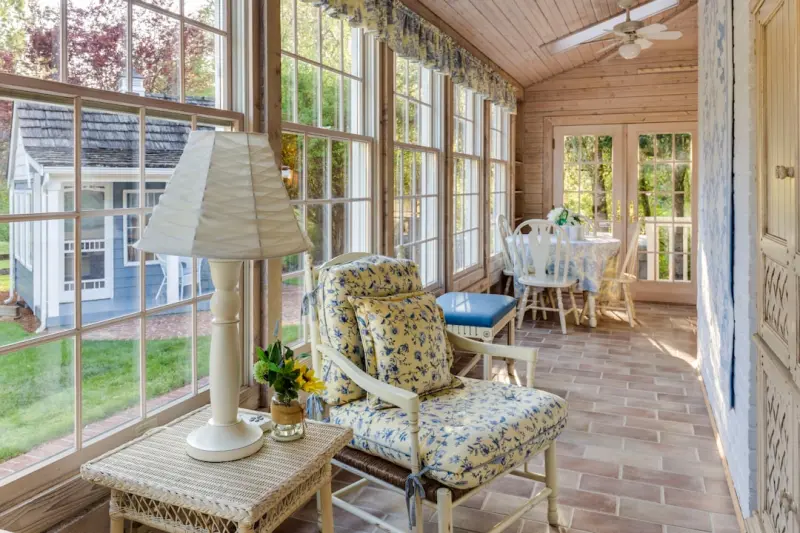
Why a Sunroom Feels Like an Extension of the Self
When I first stepped into a sunlit enclosure that seemed to breathe with the house, I realized the space was more than a glass box—it was a living, breathing room that mirrors the moods of the day and the rhythms of the seasons, turning ordinary moments into a subtle celebration of light. The way the morning sun drapes itself across a comfortable sofa, while the afternoon shadows play hide‑and‑seek on the floor, creates a psychological anchor that anchors the homeowner’s sense of wellbeing, making the sunroom a sanctuary without the need for overt décor or excessive accessories. In my experience, this quiet transformation is what drives homeowners to invest in a sunroom, because it promises a seamless blend of indoor comfort and outdoor vitality that no traditional room can replicate.
Strategic Orientation: Harnessing Solar Energy without Overheating
One of the most rewarding challenges in sunroom design is choosing the right orientation to capture the sun’s generosity while preventing a greenhouse effect that can make the space uncomfortable in the summer; a south‑facing layout typically offers the best balance, delivering soft, diffused light during winter mornings and a gentle warmth that can reduce heating bills. By pairing a thoughtfully placed overhang or adjustable louvers, you can control the intensity of the sun’s rays, allowing the room to stay cool on scorching days while still enjoying the natural illumination that defines the sunroom experience. If you’re comfortable tackling the framing yourself, sharpening your DIY home repair skills can save you a bundle and give you a deeper connection to the space you’re creating.
Materials That Speak to Longevity and Aesthetics
Choosing the right structural materials sets the tone for durability and visual harmony; sustainably sourced timber offers warmth and a timeless appeal, while steel framing brings a modern, sleek silhouette that can support larger spans of glass without compromising stability. Insulated wall panels and high‑performance sheathing act as the skin of the sunroom, creating a barrier that keeps the indoor climate steady, reduces condensation, and contributes to overall energy efficiency—an essential consideration for homeowners who value both comfort and eco‑friendliness. By investing in quality components from the outset, you ensure that the sunroom ages gracefully, becoming a lasting feature that enhances the home’s resale value and architectural narrative.
Glazing Choices: From Low‑E to Triple‑Pane Mastery
Glazing is the heart of any sunroom, dictating how light, heat, and views are filtered; low‑emissivity (Low‑E) coatings reflect infrared heat while allowing visible light to pass, meaning you can enjoy bright interiors without the penalty of excessive solar heat gain. For climates that demand an extra layer of protection, triple‑pane glass offers superior insulation, reducing noise transmission and creating a more stable interior temperature, which is especially beneficial in regions with harsh winters or sweltering summers. Pairing these glazing solutions with strategically placed operable windows encourages natural ventilation, letting fresh breezes sweep through the space and further enhancing the indoor–outdoor connection that defines a well‑designed sunroom.
Seamless Indoor‑Outdoor Flow: Doors, Flooring, and Landscape Integration
To truly blur the line between interior comfort and exterior freedom, the transition points—doors and flooring—must be thoughtfully curated; sliding glass doors that glide effortlessly open to a patio or garden invite the outdoors in, while wide‑plank engineered hardwood or stone tiles extend the visual continuity from the house’s existing floors into the new enclosure. By selecting a flooring material that can tolerate temperature fluctuations and occasional moisture, you protect the sunroom’s integrity and maintain a cohesive aesthetic throughout the home. A well‑planned landscape view, whether it’s a manicured lawn, a blooming flower bed, or a tranquil water feature, becomes a living backdrop that changes with the seasons, and for those seeking a space that feels like a personal retreat, consider exploring the idea of a calm retreat within your own walls.
Passive Heating and Cooling: Balancing Comfort Year‑Round
Beyond orientation and glazing, passive design strategies can dramatically improve the sunroom’s comfort without relying on mechanical systems; thermal mass such as stone countertops or brick walls absorbs daytime heat and releases it slowly after sunset, naturally extending warmth into cooler evenings. In the summer, incorporating operable skylights or vented ridge caps allows hot air to escape, creating a natural chimney effect that draws cooler air in through lower openings, while strategically placed shading devices—like pergolas or retractable awnings—can filter harsh midday sun without sacrificing daylight. When the climate demands it, a low‑profile ductless mini‑split system can supplement these passive measures, delivering precise temperature control without the visual clutter of traditional HVAC units.
Multifunctional Uses: From Home Office to Urban Jungle
A sunroom’s abundant natural light makes it an ideal canvas for a variety of activities—whether you need a quiet home office bathed in daylight, a yoga studio that greets you with sunrise, or a greenhouse nook for cultivating herbs and succulents, the possibilities expand the home’s functional footprint. By installing modular shelving, built‑in workstations, or even a compact hydroponic system, you can tailor the space to your evolving lifestyle, turning the sunroom into a versatile hub that supports productivity, wellness, and creativity. For those who love to entertain, a well‑furnished sunroom can double as an intimate dining area, where meals are enjoyed under a canopy of sky, reinforcing the feeling of dining al fresco while staying comfortably sheltered.
Maintenance Made Simple: Preserving Beauty and Value
Long‑term enjoyment of a sunroom hinges on a straightforward maintenance routine; high‑quality, low‑maintenance finishes on wood frames resist rot and UV degradation, while annual cleaning of the glass with a non‑abrasive solution prevents stubborn mineral deposits that can cloud the view. Installing a rain‑drain gutter system that directs water away from the foundation protects both the sunroom and the main house from moisture‑related issues, a detail often overlooked until problems arise. By staying proactive with these simple tasks, you safeguard the sunroom’s aesthetic appeal and structural health, ensuring it remains a cherished part of your home for generations to come.

David MacKinnon is a dynamic freelance writer known for his captivating storytelling and keen insights into the world of technology. With a passion for exploring the intersection of innovation and everyday life, he crafts engaging narratives that not only inform but also inspire his readers.
Related Posts

Biophilic Sunrooms: Designing Nature‑Infused Spaces for Health and Creativity
Sunrooms can become powerful biophilic sanctuaries by integrating natural light, fresh air, sustaina... Read More
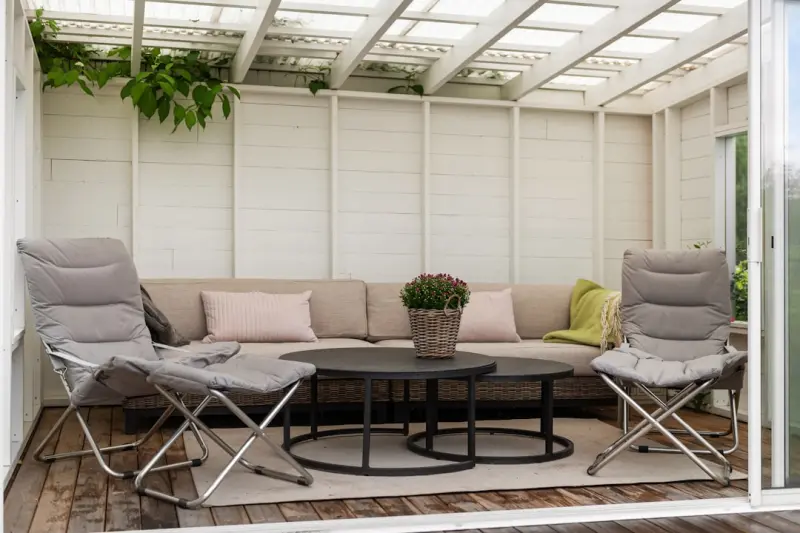
The Sunroom Revolution: From Seasonal Retreat to Hybrid Work‑Wellness Hub
A modern sunroom can be more than a bright nook—it can serve as a hybrid work‑wellness hub. Lear... Read More

Turning Sunrooms into Year-Round Productivity Hubs
Learn practical design, technology, and ergonomic strategies to convert a seasonal sunroom into a ye... Read More
Top Posts

Bringing the Outdoors In: Biophilic Home Construction for Modern Living
This article dives into biophilic home construction, outlining scientific benefits, core design pillars, material choices, smart integrations, and real‑world ...Read More

Building Tomorrow’s Homes: Harnessing Prefab Panels for Faster, Cleaner Construction
Prefabricated structural panels are transforming home building by slashing construction time, boosting quality, and reducing waste. Learn how this technology of...Read More

Smart Tile Ecosystems for Future‑Ready Buildings
This article reveals how modern tiles, embedded with sensors and sustainable materials, can become active building components—enhancing energy efficiency, com...Read More
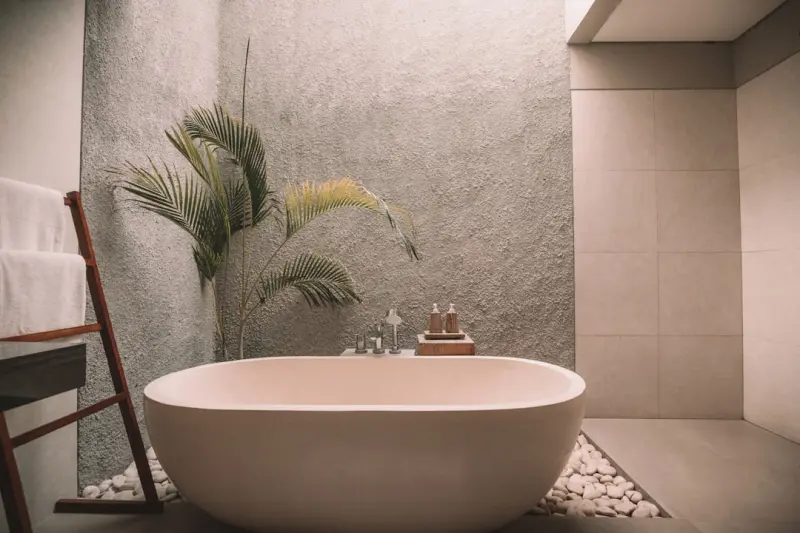
The Strategic Benefits of Bathtub Refinishing for Modern Homeowners
Bathtub refinishing offers a cost‑effective, eco‑friendly way to revitalize bathrooms, improve wellbeing, and add resale value—all without the disruption ...Read More
0 Comments
Post Comment
You will need to Login or Register to comment on this post!