
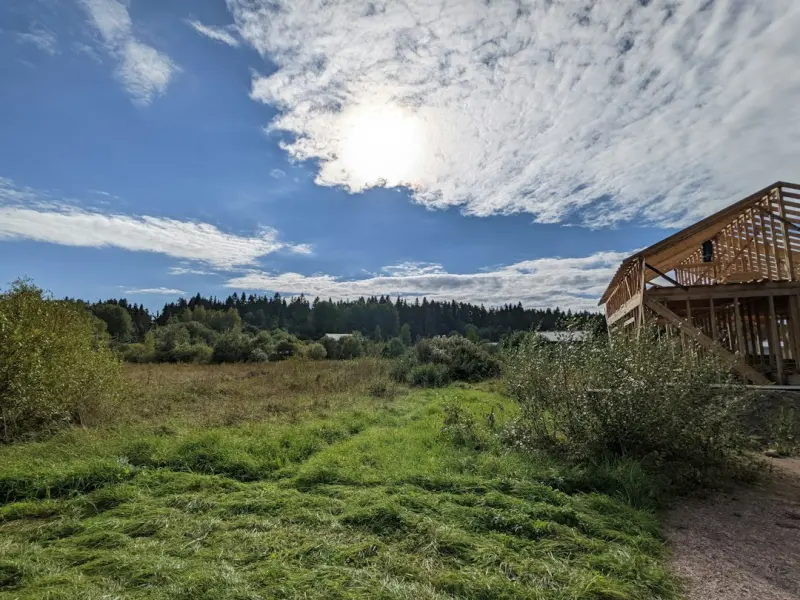
Why Biophilic Design Is the Next Big Thing in Home Construction
When I first started sketching floor plans for a client who loved gardening, I realized I was treating nature as an afterthought—something to be added on the balcony or through a few potted plants. That moment sparked a shift in my thinking: what if the very structure of a house could be a conduit for the outdoors, rather than a barrier? In this post, I’m diving deep into biophilic design, the science-backed practice of weaving natural elements into the built environment, and why it’s poised to become a cornerstone of modern home construction.
The Science Behind the Appeal
Biophilia, a term coined by biologist E.O. Wilson, describes humanity’s innate affinity for nature. Decades of research now show that exposure to natural light, greenery, and organic materials can lower cortisol, improve cognitive function, and even boost immune response. In the context of a home, these benefits translate to:
- Reduced stress levels – A study by the University of Queensland found that daylight exposure can cut cortisol by up to 23%.
- Better sleep quality – Aligning interior lighting cycles with natural circadian rhythms encourages healthier melatonin production.
- Enhanced productivity – Home offices that incorporate natural elements see up to 15% higher focus scores.
These data points aren’t just feel‑good anecdotes; they’re compelling arguments for builders and designers to embed nature into the core of a house.
Core Principles of Biophilic Home Design
To move from theory to practice, I break biophilic design into six actionable pillars:
- Direct Connection: Maximizing views of the outdoors, integrating indoor gardens, and using operable windows for fresh air.
- Indirect Connection: Mimicking natural patterns through textures, colors, and materials like reclaimed wood or stone.
- Space and Place: Designing spaces that echo the scale of natural environments—think soaring ceilings that suggest a forest canopy.
- Human‑Centric Flow: Aligning circulation paths with natural light pathways, similar to how sunlight moves through a forest floor.
- Thermal & Acoustic Comfort: Leveraging the insulating properties of natural materials to create stable temperatures and soundscapes.
- Evolutionary Aesthetics: Incorporating fractal patterns and organic curves that our ancestors instinctively recognize as soothing.
Each pillar can be addressed at different stages of construction, from site selection to final finishes.
Choosing the Right Site: The Foundation of Biophilic Success
Before a single beam is raised, the site itself should already be a partner in the design. Look for:
- Existing mature trees that can be preserved and integrated into the floor plan.
- Topography that offers natural slopes for rainwater harvesting.
- Orientation that captures optimal solar gain—ideally a southern exposure in the Northern Hemisphere.
Preserving native flora not only maintains local biodiversity but also reduces the need for irrigation, aligning with sustainability goals.
Materials That Breathe
Modern construction often defaults to concrete, steel, and synthetic finishes, but biophilic design calls for a more tactile palette. Consider:
- Cross‑laminated timber (CLT): Offers structural strength while delivering warmth and acoustic damping.
- Reclaimed brick and stone: Provides texture and a sense of history, reducing embodied carbon.
- Bio‑based insulation such as sheep’s wool or hemp—both renewable and capable of regulating humidity.
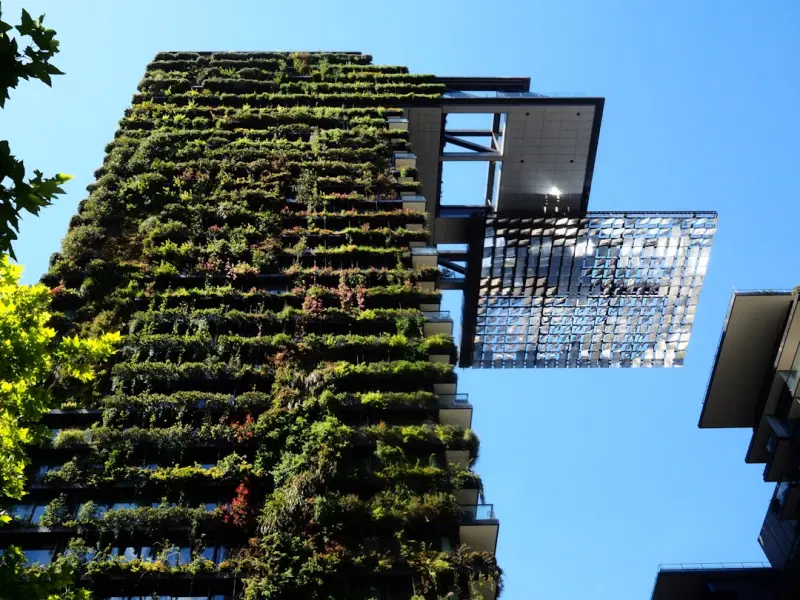
- Living walls: Modular panels that host moss, ferns, or succulents, acting as natural air filters.
These materials do more than look good; they actively contribute to indoor air quality and thermal comfort.
Lighting Strategies That Echo the Sun
Natural light is the most powerful biophilic tool. Here’s how to harness it:
- Skylights and Light Tubes—Place them strategically in high‑traffic zones like kitchens and home offices.
- Clerestory Windows—Elevated windows that draw daylight deep into interior spaces without compromising privacy.
- Dynamic Shading—Motorized louvers that adjust based on solar intensity, reducing glare while preserving views.
When daylight isn’t available, mimic its spectrum with full‑range LEDs that shift color temperature throughout the day, supporting circadian rhythms.
Indoor Air Quality: More Than Just Ventilation
Plants are natural air purifiers, but their effectiveness scales with the design. A well‑planned indoor garden or green corridor can filter volatile organic compounds (VOCs), regulate humidity, and produce a subtle scent that reduces anxiety. Pair this with a high‑efficiency heat recovery ventilator (HRV) to maintain fresh air flow without losing heat—an approach that dovetails nicely with energy inspection as a service models, turning post‑occupancy monitoring into a continuous improvement loop.
Acoustic Comfort: The Sound of Nature Inside
Urban homes often struggle with noise intrusion. Natural materials help absorb sound, but you can also incorporate:
- Acoustic panels made from recycled denim.
- Water features—small indoor fountains create white noise that masks street sounds.
- Strategic placement of plants, which act as soft sound diffusers.
These solutions align with the broader goal of creating a sanctuary, a space where the mind can unwind after a hectic day.
Smart Systems That Support Biophilic Goals
Technology should amplify, not dominate, the natural experience. A few integrations that work well:
- Automated irrigation tied to soil moisture sensors for indoor gardens.
- Light‑sensing controls that adjust artificial lighting to complement daylight levels.
- Air quality dashboards that alert occupants when VOCs rise, prompting ventilation or plant care.
These systems create a feedback loop reminiscent of responsive architecture, where the building continuously adapts to its occupants and the environment.
Modular Construction Meets Biophilic Design
One misconception is that biophilic design requires custom, on‑site craftsmanship that slows timelines. In reality, modular construction techniques can be adapted to deliver natural materials and pre‑installed green walls off‑site, reducing waste and ensuring quality control. Prefabricated modules equipped with CLT panels, built‑in conduit for irrigation, and pre‑wired lighting can be assembled on‑site in weeks rather than months.
Case Study: A Biophilic Family Home in the Suburbs
To illustrate, let me walk you through a recent project I led:
- Site Selection: A lot with a mature oak tree was preserved, its canopy becoming the focal point of the living room.
- Floor Plan: Open‑plan layout aligned the kitchen island with the tree’s shadow, ensuring a constant visual connection.
- Materials: Walls featured reclaimed brick; the structural frame used CLT, providing a warm, timber‑filled aesthetic.
- Green Features: A living wall behind the home office doubled as a privacy screen and air filter.
- Smart Controls: Sensors adjusted skylight shades based on solar intensity, while a central dashboard displayed indoor CO₂ levels.
- Results: The homeowners reported a 30% reduction in stress scores (measured via a simple questionnaire) and a 15% drop in heating bills thanks to the thermal mass of timber and natural ventilation.
This project demonstrates that biophilic design can be both beautiful and pragmatic, delivering tangible health and financial benefits.
Integrating Biophilia Into Existing Homes
Renovators can also tap into biophilic principles without a full rebuild. Simple upgrades include:
- Installing larger windows or transom windows to frame garden views.
- Adding indoor planters or vertical gardens to under‑used walls.
- Replacing synthetic flooring with cork or bamboo for a softer, more natural feel.
- Introducing water features in entryways or courtyards.
Even modest changes can shift the ambience from sterile to inviting.
Measuring Success: From Subjective Feel to Objective Data
As we move toward data‑driven construction, measuring the impact of biophilic design becomes essential. Consider tracking:
- Indoor air quality metrics (CO₂, VOCs, humidity).
- Light exposure levels using lux meters.
- Occupant health surveys (stress, sleep quality).
- Energy consumption before and after implementation.
These data points not only validate the design choices but also provide material for future marketing and client education.
Challenges and How to Overcome Them
While the benefits are clear, there are hurdles:
- Cost Perception—Natural materials can be pricier upfront. Mitigate this by highlighting long‑term savings on energy and health.
- Maintenance Concerns—Plants need care. Offer homeowners maintenance packages or select low‑maintenance species like succulents.
- Regulatory Barriers—Some jurisdictions have strict codes on building envelopes. Work closely with local officials and use compliant, tested products.
Addressing these issues early ensures a smoother project flow and happier clients.
The Future Landscape: Biophilia as a Standard
When we think about the next generation of homes, I envision neighborhoods where every façade incorporates green roofs, every room enjoys a view of living foliage, and every HVAC system works hand‑in‑hand with indoor gardens. This isn’t a utopian fantasy; it’s an emerging reality driven by consumer demand for healthier living spaces and builders’ desire for differentiation.
In my experience, the homes that stand the test of time are those that feel alive. By embedding nature into the very bones of construction, we create dwellings that nurture, inspire, and endure.

Paul Gray is a dynamic blogger based in Brampton, where he shares his life with his amazing wife, Sarah. Known for his engaging writing style and relatable insights, Paul has carved out a niche in the blogging world that resonates with readers from all walks of life. When he's not crafting captivating posts, you can find him savoring a cold beer or indulging in the latest blockbuster movie. With a friendly demeanor and a passion for storytelling, Paul brings a unique perspective to his work, making him not just a blogger, but a voice for those who appreciate the simple joys of life.
Related Posts

Building with Integrity: How Traceable Materials are Shaping the Future of Home Construction
A deep dive into material traceability shows why knowing the origin, carbon impact, and end‑of‑l... Read More
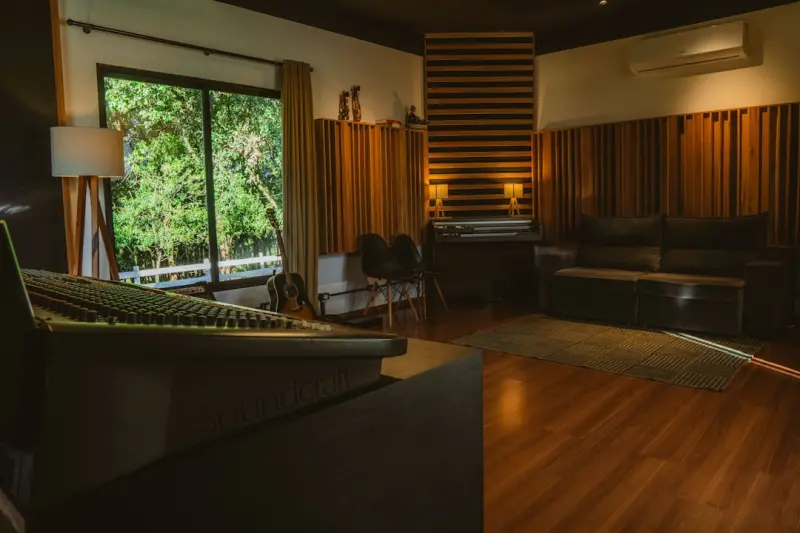
Quiet Homes: Mastering Acoustic Comfort in Modern Construction
Learn the art of acoustic comfort—strategies for sound‑proof walls, flooring, and design choices... Read More
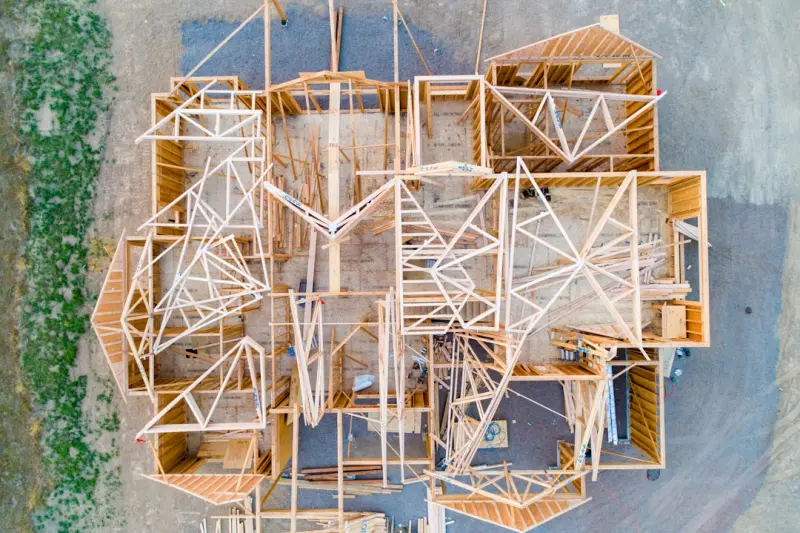
Designing Homes for Disassembly: A Circular Construction Blueprint
A deep dive into designing homes that can be taken apart piece by piece, unlocking reuse, resale, an... Read More
Top Posts

Circular Materiality: Turning Construction Waste into Design Gold
Circular materiality redefines waste as a design resource, offering architects a roadmap to create buildings that are sustainable, cost‑effective, and adaptab...Read More
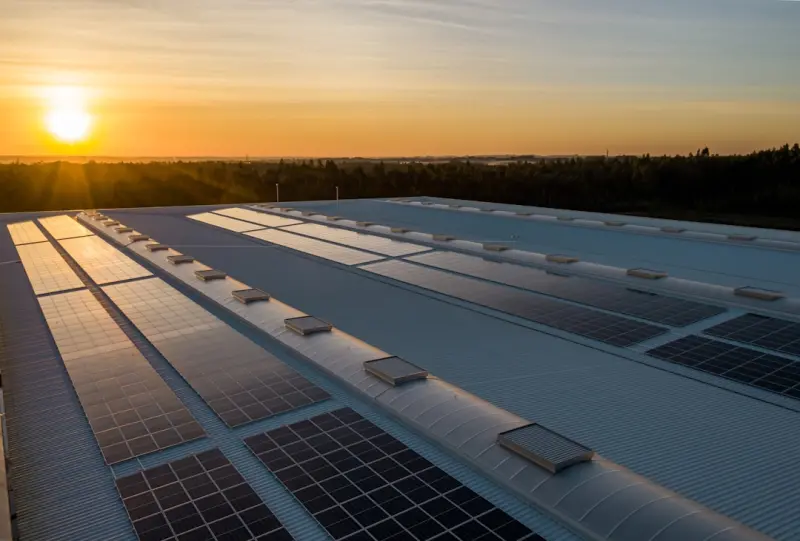
Solar Energy’s Next Frontier: Turning Every Surface Into Power
Solar power is no longer limited to rooftop panels; innovative technologies like building‑integrated photovoltaics, solar‑powered smart home nodes, and comm...Read More

Prefabricated Modules: A Game‑Changer for General Contractors
Learn why modular construction is reshaping general contracting, from cost savings and faster schedules to improved quality and safety, and get actionable tips ...Read More
Reimagining Building Foundations for a Sustainable Future
Foundations are the hidden heroes of any building; this post reveals how low‑carbon mixes, micro‑scale weatherproofing, and intelligent sensor networks can ...Read More
0 Comments
Post Comment
You will need to Login or Register to comment on this post!