
Why Sunrooms Are the Unsung Hero of Hybrid Workspaces
When the pandemic forced us to rethink where we work, the conversation centered on home offices, coworking hubs, and flexible desk rentals. What slipped under the radar, however, was the humble sunroom—a space that blends the outdoors with the indoors, offering a controlled yet invigorating environment. In my years of consulting with forward‑thinking firms, I’ve seen sunrooms evolve from seasonal retreats to year‑round productivity powerhouses. They’re not just an aesthetic add‑on; they’re a strategic asset that can boost employee well‑being, lower energy costs, and reinforce a brand’s commitment to sustainable design.
The Science of Light: More Than Just a Pretty View
Human physiology is wired to respond to natural light. Exposure to daylight triggers the release of serotonin, a neurotransmitter that improves mood and focus. It also helps regulate circadian rhythms, which in turn enhances sleep quality and reduces fatigue. A sunroom, when designed with ample glazing and minimal obstructions, becomes a daylight‑rich sanctuary that can replace the harsh artificial lighting of a typical cubicle.
But it’s not just about brightness. The quality of light matters. Full‑spectrum glazing that filters out UV while preserving the beneficial blue‑green wavelengths can create a balanced illumination that protects furniture and skin without sacrificing the therapeutic benefits of sunlight.
Passive Climate Control: Harnessing Thermal Mass
Sunrooms excel at passive heating and cooling—a principle that aligns perfectly with today’s sustainability goals. The large glass envelope absorbs solar gain during the day, warming the interior air and adjacent thermal mass (think concrete floors or stone walls). At night, that stored heat is released slowly, maintaining a comfortable temperature without cranking up the HVAC system.
When paired with a well‑designed ventilation strategy—such as operable windows, ceiling fans, or automated louvered vents—sunrooms can stay cool in summer and cozy in winter with minimal mechanical intervention. The result? A measurable reduction in energy consumption that directly contributes to lower operating expenses and a smaller carbon footprint.
Integrating Intelligent Climate Controls
While the concept of passive design is timeless, modern technology can amplify its benefits. Imagine a sunroom equipped with a network of temperature, humidity, and CO₂ sensors that feed data to a building‑management system. The system can automatically adjust shading devices, trigger ventilation fans, or even signal the radiant floor heating system to kick in just enough to keep occupants comfortable without overshooting energy targets.
This intelligent approach ensures that the space remains pleasant year‑round, while also providing actionable analytics for facilities managers. By tracking patterns—like peak occupancy times and external weather shifts—organizations can fine‑tune their energy strategies and demonstrate concrete sustainability metrics to stakeholders.
Acoustic Comfort: The Quiet Power of Sunrooms
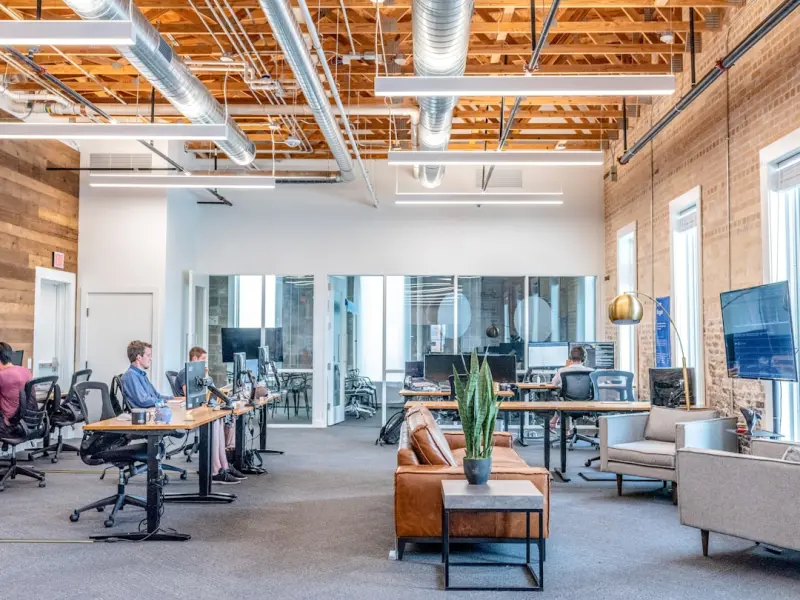
Open‑plan offices are notorious for echo chambers and constant chatter, which can erode concentration. Sunrooms, by virtue of their glass walls and strategic placement, often sit at the periphery of the main floor plan. This spatial separation offers a natural acoustic buffer. Adding soft furnishings—cushioned seating, acoustic panels hidden behind decorative art, or even a thick rug—further dampens noise, turning the sunroom into a focused “think tank” where deep work thrives.
Design Flexibility: From Desk Pods to Creative Studios
The beauty of a sunroom lies in its adaptability. With modular furniture, movable partitions, and adaptable lighting, the same space can morph from a private desk pod in the morning to a collaborative brainstorming studio in the afternoon. Companies can schedule “sunroom‑only” days for teams that require undisturbed concentration, while other days can be reserved for cross‑functional workshops that benefit from the energizing ambience.
Moreover, integrating greenery—vertical gardens, potted plants, or even a small herb wall—enhances biophilic connections, reinforcing the mental health benefits of nature exposure. These living elements also improve indoor air quality, absorbing VOCs and releasing oxygen, which aligns with the broader wellness agenda many corporations now champion.
Safety and Durability: The Role of Proper Waterproofing
One of the biggest misconceptions about sunrooms is the perceived maintenance burden. In reality, the longevity of a sunroom hinges on meticulous waterproofing—a topic that’s often overlooked until leaks appear. A well‑executed waterproofing system, including a continuous membrane, proper flashing, and drainage planes, acts as the quiet engine of high‑performance buildings. It protects the structural envelope from moisture intrusion, prevents mold growth, and safeguards the interior finishes.
Investing in high‑quality waterproofing not only extends the life of the sunroom but also reduces long‑term maintenance costs. For organizations that value asset durability, this is a compelling ROI story.
Cost‑Benefit Snapshot
- Energy Savings: Passive solar gain can reduce heating loads by up to 30%, while intelligent shading can cut cooling demands by a similar margin.
- Productivity Gains: Studies link natural light exposure to a 15% increase in work output and a 20% reduction in reported eye strain.
- Employee Retention: Wellness‑focused amenities, like a sunroom, are consistently cited in employee surveys as a “top reason to stay” with an employer.
- Brand Differentiation: Showcasing sustainable, health‑centric workspaces can strengthen employer branding and attract talent.
Implementation Roadmap: Turning Vision into Reality
- Site Assessment: Evaluate the building’s orientation, roof load capacity, and existing structural framework. A south‑facing façade typically offers the most solar benefit.
- Design Development: Collaborate with architects to define glazing specifications, thermal mass placement, and integration points for HVAC and sensor networks.
- Waterproofing Strategy: Select a proven membrane system, design appropriate flashing details, and incorporate a drainage plane to direct water away from the structure.
- Smart Controls Integration: Deploy IoT sensors for temperature, humidity, and CO₂; connect them to the building‑management platform for automated climate adjustments.
- Furniture & Biophilia: Choose ergonomic, modular furniture and integrate plantings that thrive in bright, indirect light.
- Testing & Commissioning: Perform thermal imaging, air‑tightness testing, and sensor calibration to ensure the space meets performance targets before handover.
Measuring Success: KPIs That Matter
To justify the investment, track the following key performance indicators over the first 12 months:
- Energy Consumption: Compare baseline HVAC usage with post‑sunroom installation data.
- Occupancy Utilization: Use badge‑in data or occupancy sensors to gauge how often the space is booked and for how long.
- Employee Wellness Scores: Conduct quarterly surveys focusing on daylight exposure, comfort, and overall satisfaction.
- Maintenance Costs: Monitor waterproofing integrity and any repair tickets related to the sunroom envelope.
Future‑Proofing: Sunrooms in an Era of Adaptive Buildings
As adaptive building technologies mature, sunrooms will become even more integral to the office ecosystem. Imagine a sunroom that autonomously reconfigures its shading based on real‑time solar irradiance forecasts, or one that syncs with the company’s calendar system to pre‑condition the space for scheduled meetings. These capabilities will turn a simple architectural feature into a dynamic asset that continuously aligns with both occupant needs and sustainability targets.
In short, the sunroom is poised to transition from a decorative add‑on to a core component of the modern hybrid workplace. By embracing its potential today, forward‑thinking organizations can reap immediate benefits while laying the groundwork for a more resilient, health‑centric, and energy‑efficient future.

Paul Gray is a dynamic blogger based in Brampton, where he shares his life with his amazing wife, Sarah. Known for his engaging writing style and relatable insights, Paul has carved out a niche in the blogging world that resonates with readers from all walks of life. When he's not crafting captivating posts, you can find him savoring a cold beer or indulging in the latest blockbuster movie. With a friendly demeanor and a passion for storytelling, Paul brings a unique perspective to his work, making him not just a blogger, but a voice for those who appreciate the simple joys of life.
Related Posts

Sunroom Strategies: Turning Glass Spaces into Year‑Round Wellness Hubs
A sunroom can be a powerful wellness hub and functional workspace. Learn design fundamentals, tech t... Read More
Beyond the View: Turning Sunrooms into High‑Performance Remote‑Work Studios
Turn your sunroom into a high‑performance remote‑work studio. Learn design strategies, smart tec... Read More
The Rise of Sunrooms: A Sustainable Solution for Modern Homes
Sunrooms are a sustainable solution for modern homes, providing a bright and airy space to relax and... Read More
Top Posts
Beyond Plain Walls: How Next‑Gen Wallpaper Is Shaping Modern Interiors
Modern wallpaper blends acoustic performance, AI‑generated designs, eco‑conscious materials, and hidden sensors, turning walls into functional, stylish plat...Read More

Weathering the Storm: How to Weatherproof Your Home for a Sustainable Future
Weatherproofing your home is crucial for a sustainable future. Learn how to protect your home from the elements, reduce energy waste, and promote eco-friendly p...Read More

Beyond the Surface: Next‑Gen Waterproofing Redefines Commercial Resilience
Traditional waterproofing can’t keep up with today’s climate challenges. Learn how next‑generation materials, integrated sensors, and design‑first strat...Read More

Paving the Way: How Modern Surfaces Transform Outdoor Living
Explore fresh paving trends that combine eco‑friendly materials, smart tech, and artistic patterns to turn ordinary walkways into sustainable, eye‑catching ...Read More
0 Comments
Post Comment
You will need to Login or Register to comment on this post!