
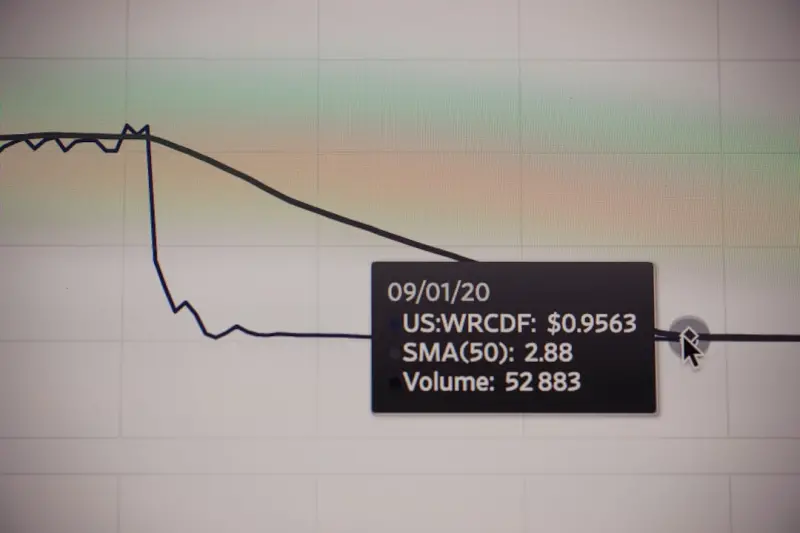
Why Mold Removal Should Be Treated Like a Core Operational KPI
When facility managers talk about key performance indicators, the conversation usually circles around energy use, occupancy rates, and maintenance turnaround times. Mold, however, remains an invisible threat that silently erodes building integrity, occupant health, and the bottom line. Treating mold removal as a strategic metric—not a reactive after‑thought—can turn a costly liability into a competitive advantage.
The True Business Impact of Hidden Mold
Most building owners think of mold as a sanitation issue, but the reality is far broader:
- Asset depreciation: Persistent moisture encourages fungal growth, which can degrade structural components such as drywall, insulation, and even load‑bearing wood.
- Productivity loss: Studies link indoor fungal spores to increased absenteeism and reduced cognitive performance among staff.
- Legal exposure: Tenants can file claims for health‑related damages if mold isn’t addressed promptly, leading to costly litigation.
- Brand reputation: In an era where corporate responsibility is under the microscope, a publicized mold outbreak can damage trust.
These factors combine to create a hidden expense that often exceeds the direct cost of remediation. By quantifying mold‑related losses, leaders can embed remediation into their operational dashboards.
From Reactive Cleanup to Predictive Control
The traditional approach—spot‑checking for visible growth and then calling in a contractor—leaves a lag window during which damage multiplies. A predictive framework flips the script:
- Continuous moisture monitoring: Deploy smart leak detection system sensors in high‑risk zones (basements, bathrooms, HVAC plenums). These devices log humidity spikes and water ingress events in real time.
- Data analytics: Feed sensor streams into a central analytics engine that applies pattern‑recognition algorithms to flag conditions conducive to fungal colonization.
- Automated work orders: When thresholds are breached, the system generates a maintenance ticket with location, severity, and suggested remediation steps, eliminating the need for manual inspections.
- Post‑remediation verification: After cleanup, the same sensors verify that moisture levels have returned to safe baselines, closing the loop.
This closed‑loop process reduces the average time from moisture intrusion to remediation from days to hours, slashing both direct and indirect costs.
Choosing the Right Sensor Suite
Not all moisture sensors are created equal. For a robust mold control program, consider the following criteria:
- Accuracy range: Look for devices that measure relative humidity from 10% to 95% with ±2% precision.
- Temperature compensation: Since temperature influences dew point, integrated temperature sensors improve reliability.
- Wireless connectivity: Mesh‑enabled radios (e.g., Zigbee, Thread) ensure coverage across sprawling campuses without extensive cabling.
- Battery life: Sensors with low‑power consumption and replaceable batteries can operate for 5+ years unattended.
- Compliance: Devices should meet relevant certifications (e.g., UL, CE) for safety and interoperability.
When paired with a cloud‑native platform, these sensors become the eyes and ears of an intelligent building envelope, delivering actionable insights straight to facilities teams.
Integrating Moisture Intelligence with Existing Building Systems
Many modern facilities already run building management systems (BMS) that handle HVAC, lighting, and security. Adding a moisture‑monitoring layer should feel like a natural extension, not a disruptive overhaul. Here’s a step‑by‑step integration roadmap:
- Map critical zones: Conduct a walkthrough to identify spaces with high humidity risk—think crawl spaces, roof penetrations, and condensation‑prone HVAC coils.
- Install sensors: Position devices at the ceiling, floor, and behind wall panels where moisture accumulates.
- API linkage: Use the BMS’s open API to ingest sensor data. Most platforms support RESTful endpoints for seamless data flow.
- Rule engine configuration: Set threshold alerts (e.g., >70% RH for 24 hours) that trigger automated responses, such as increasing ventilation or dehumidifier activation.
- Visualization: Create dashboards that overlay moisture data with temperature, occupancy, and energy consumption, giving a holistic view of building health.
By embedding moisture intelligence into the existing digital backbone, facilities teams can respond proactively without adding operational complexity.
Case Study: Reducing Hospital‑Ward Outbreaks
A regional medical center implemented a network of humidity sensors across its patient wards. Prior to deployment, the facility experienced an average of three mold‑related incidents per year, each costing roughly $30,000 in remediation and downtime.
After three months of continuous monitoring, the analytics platform identified a recurring humidity spike in a wing adjacent to a rooftop HVAC unit. The system automatically increased the unit’s exhaust rate, stabilizing RH levels below 55%.
Results after six months:
- Incidents dropped from three to zero.
- Annual remediation spend fell by 100% (saving $90,000).
- Patient satisfaction scores improved, with fewer complaints about indoor air quality.
This example illustrates how data‑driven mold control can directly improve operational outcomes in high‑risk environments.
Beyond Sensors: Material Choices That Inhibit Growth
Even the best monitoring strategy can’t compensate for porous, moisture‑loving building materials. When planning renovations or new construction, prioritize finishes that resist fungal colonization:
- Closed‑cell spray foam: Provides an airtight barrier that limits vapor diffusion.
- Foil‑faced insulation: Reflects thermal energy and reduces condensation on cold surfaces.
- Antimicrobial drywall: Embedded with silver‑ion compounds that inhibit spore germination.
- Non‑porous flooring: Ceramic tile or sealed concrete floors prevent water absorption.
While these materials involve higher upfront costs, they pay dividends by lowering long‑term maintenance and remediation expenses.
Leveraging intelligent moisture barrier Concepts
Modern moisture control moves beyond the “seal and hope” mindset. An intelligent barrier incorporates sensors directly into the building envelope, reporting real‑time performance. For instance, a waterproofing membrane embedded with conductive traces can alert managers to water ingress before it reaches interior finishes. Pairing this technology with predictive analytics creates a self‑healing loop: detect, alert, remediate, verify.
Cost‑Benefit Modeling: Making the Business Case
To gain executive buy‑in, translate mold control into a financial model:
- Identify baseline costs: Include historical remediation spend, downtime, health‑related claims, and depreciation.
- Estimate sensor investment: Factor hardware, installation, and software subscription fees.
- Calculate ROI: Use the formula (Baseline Savings – Investment) / Investment × 100 to illustrate payback periods.
- Scenario analysis: Model best‑case (immediate detection) vs. worst‑case (delayed response) outcomes to highlight risk mitigation.
In most medium‑size facilities, the payback period for a comprehensive mold monitoring program falls under 12 months, making it a financially sound decision.
Training the Human Element
Technology is only as effective as the people who act on its insights. Equip your maintenance crew with:
- Quick‑reference guides that decode sensor alerts.
- Hands‑on training for safe mold remediation techniques (e.g., proper PPE, containment, HEPA filtration).
- Access to a knowledge base that links specific sensor patterns to recommended remediation methods.
When staff understand both the “what” and the “why,” they’ll respond faster and more confidently, further shrinking remediation windows.
Future Directions: AI‑Powered Spore Detection
Emerging research is exploring optical sensors that can identify fungal spores in real time, distinguishing between harmless and hazardous species. Coupled with machine‑learning models, these devices could predict growth cycles before visible colonies form.
While still in pilot phases, the technology promises to push mold control from a reactive discipline to a truly anticipatory one, aligning perfectly with the broader trend of data‑centric building management.
Takeaway Checklist
Start transforming mold removal from an emergency response into a strategic initiative with these actionable steps:
- Audit high‑risk zones and install calibrated humidity sensors.
- Integrate sensor data into your existing BMS via API.
- Set clear threshold alerts and automate work order creation.
- Choose moisture‑resistant materials for renovations.
- Implement post‑remediation verification protocols.
- Educate maintenance teams on data interpretation and safe cleanup.
- Model ROI to secure stakeholder approval.
- Stay informed on AI‑driven spore detection for next‑generation upgrades.
By treating mold control as a measurable, technology‑enabled process, facilities managers can protect assets, safeguard health, and drive measurable cost savings.

David MacKinnon is a dynamic freelance writer known for his captivating storytelling and keen insights into the world of technology. With a passion for exploring the intersection of innovation and everyday life, he crafts engaging narratives that not only inform but also inspire his readers.
Related Posts
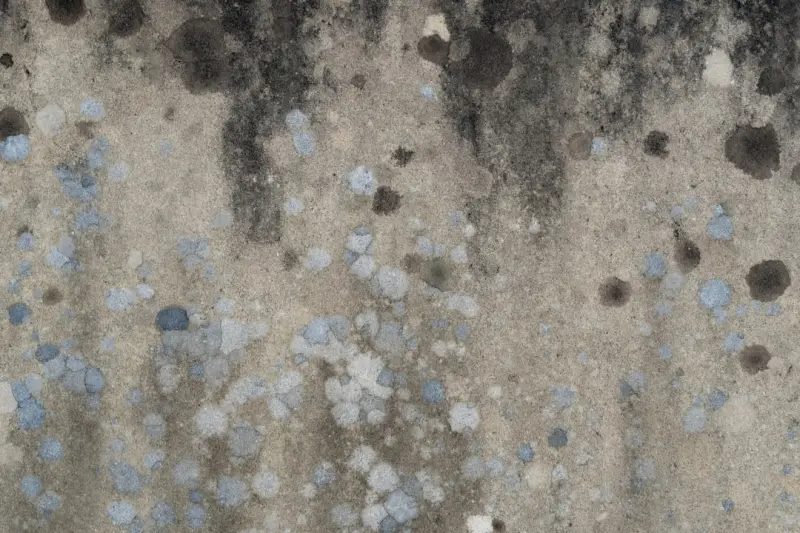
Mold Removal for Renters: Knowing Your Rights and Quick DIY Fixes
Discover how renters can identify hidden mold, assert legal rights, and use simple DIY methods to pr... Read More
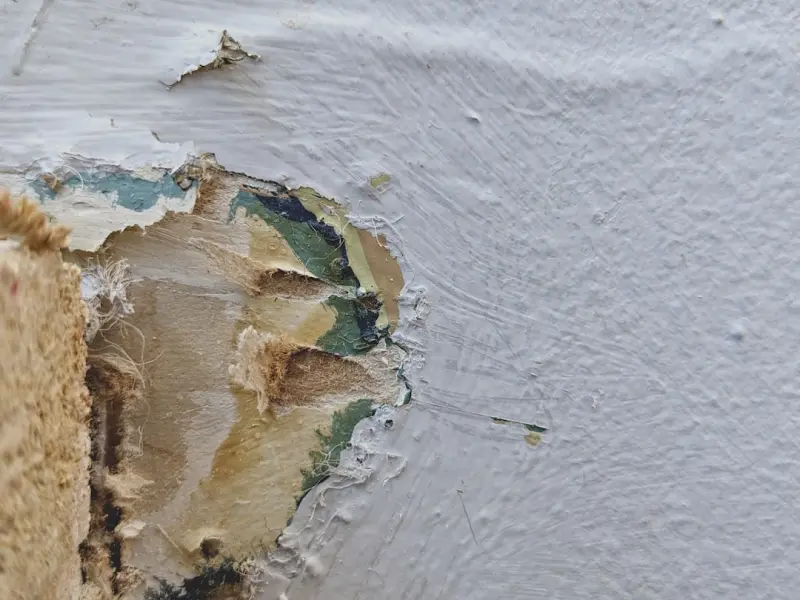
Mold Removal Mastery: Turning a Hidden Threat into a Home Wellness Habit
Learn how to turn mold removal into a simple, wellness‑focused routine using smart tools, smart ha... Read More

Predictive Mold Removal: Turning Data Into a Clean, Healthy Building
A fresh look at mold removal shows how continuous humidity monitoring, smart ventilation, and AI-pow... Read More
Top Posts
Why Modular Construction Is the Game‑Changer General Contractors Can’t Afford to Ignore
Modular construction offers speed, safety, and precision, turning traditional general contracting challenges into opportunities. Discover why embracing prefabri...Read More

Reviving Your Tub: A Personal Bathtub Refinishing Journey
Rose shares her hands‑on bathtub refinishing story, revealing the tools, sustainable tips, and cost‑saving tricks that turned a dull tub into a showroom‑r...Read More
The Ultimate Renovation Checklist for Transforming Underused Spaces
Discover a detailed renovation checklist designed to turn neglected basements, attics, or converted garages into functional, stylish areas, with tips on budgeti...Read More
From Footsteps to Forecasts: Sensor‑Embedded Flooring as a Business Intelligence Platform
Sensor‑embedded flooring turns ordinary foot traffic into real‑time data, enabling space optimization, energy savings, safety monitoring, and predictive ana...Read More
0 Comments
Post Comment
You will need to Login or Register to comment on this post!