

The Art of Home Restoration: A Comprehensive Guide
Home restoration is a multifaceted process that involves reviving and rejuvenating a property to its former glory. This process can be undertaken for various reasons, including to increase the property's value, to improve its functionality, or simply to restore its original charm. Whatever the motivation, home restoration requires careful planning, meticulous attention to detail, and a deep understanding of the various elements that contribute to a property's overall condition. In this article, we will explore the art of home restoration, discussing the key considerations, best practices, and expert tips to help homeowners navigate this complex process.
Understanding the Importance of Home Restoration
Home restoration is not just about aesthetics; it is also about preserving the structural integrity and functionality of a property. Over time, properties can suffer from wear and tear, damage, or neglect, which can lead to a decline in their condition and value. By undertaking a restoration project, homeowners can address these issues, prevent further deterioration, and ensure their property remains safe, efficient, and comfortable. Effective property maintenance is crucial in preserving the investment and value of a property, and home restoration is an essential aspect of this process.
Key Considerations for Home Restoration
Before embarking on a home restoration project, it is essential to consider several key factors. First and foremost, homeowners must define their goals and objectives, determining what they hope to achieve through the restoration process. This may involve identifying areas of the property that require attention, assessing the property's condition, and establishing a budget. Homeowners should also research and familiarize themselves with local regulations, permits, and zoning laws that may impact their project. Additionally, it is crucial to assemble a team of skilled professionals, including contractors, architects, and designers, to help guide the restoration process.
Assessing the Property's Condition
Assessing the property's condition is a critical step in the home restoration process. This involves conducting a thorough inspection of the property, identifying areas of damage, wear, or neglect. Homeowners should examine the property's foundation, roof, walls, windows, and doors, as well as its plumbing, electrical, and HVAC systems. This assessment will help homeowners prioritize their restoration efforts, allocate resources effectively, and avoid costly surprises down the line. For instance, a plumbing inspection can help identify potential issues, such as leaks or corrosion, which can be addressed during the restoration process.
Best Practices for Home Restoration
When it comes to home restoration, there are several best practices that homeowners should keep in mind. First, it is essential to prioritize preservation and authenticity, ensuring that any restoration work respects the property's original character and charm. Homeowners should also focus on sustainability, selecting materials and techniques that minimize environmental impact and promote energy efficiency. Furthermore, effective communication and project management are critical in ensuring the restoration process runs smoothly, on schedule, and within budget.
Revamping Key Areas of the Home
When undertaking a home restoration project, homeowners often focus on key areas of the property, such as the kitchen, bathroom, and exterior. These areas can have a significant impact on the property's value, functionality, and overall appeal. For example, a bathroom renovation can involve updating fixtures, installing new tile, and reconfiguring the layout to create a more functional and relaxing space. Similarly, an exterior restoration project may involve repainting the facade, replacing siding, or upgrading windows and doors.
The Role of Countertops in Kitchen Design
In kitchen design, countertops play a critical role in both form and function. A well-designed countertop can enhance the aesthetic appeal of the kitchen, while also providing a durable and functional surface for food preparation and cooking. Homeowners should consider factors such as material, color, and style when selecting a countertop, ensuring that it complements the kitchen's overall design and meets their practical needs. For more information on the impact of countertops on home value, see our article on kitchen design.
Outdoor Restoration and Maintenance
Outdoor restoration and maintenance are essential aspects of home restoration. A well-manicured lawn, tidy landscaping, and a well-maintained exterior can enhance the property's curb appeal and overall value. Homeowners should prioritize tasks such as snow removal, lawn care, and exterior cleaning to keep their property looking its best. Regular maintenance can also help prevent costly repairs and ensure the property remains safe and secure.
Conclusion
Home restoration is a complex and multifaceted process that requires careful planning, attention to detail, and a deep understanding of the various elements that contribute to a property's condition. By prioritizing preservation, sustainability, and effective communication, homeowners can navigate the restoration process with confidence, achieving a property that is not only beautiful and functional but also safe, efficient, and valuable. Whether undertaking a small renovation or a comprehensive restoration project, homeowners can benefit from expert guidance, best practices, and a commitment to quality and craftsmanship.

When it comes to the world of blogging and writing, Rose DesRochers is a name that stands out. Her passion for creating quality content and connecting with her audience has made her a trusted voice in the industry. Aside from her skills as a writer and blogger, Rose is also known for her compassionate nature.
Related Posts

From Flood to Future‑Proof: A Data‑Driven Blueprint for Home Restoration
Discover a step‑by‑step, data‑driven approach to post‑flood home restoration that blends mod... Read More
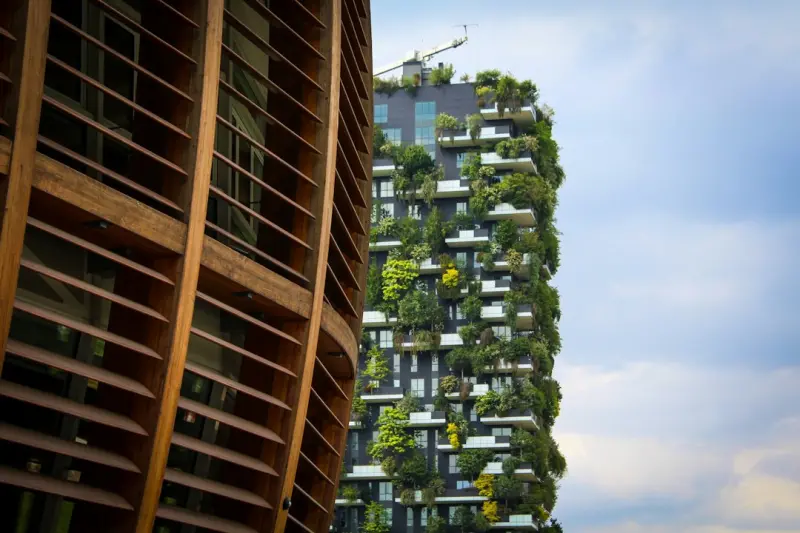
Facade Revival: Sustainable Strategies for Restoring Your Home’s Exterior
A comprehensive guide walks you through diagnosing, reinforcing, insulating, and finishing your home... Read More

Smart Restoration: Merging Heritage Craft with IoT Precision
Smart Restoration blends deep diagnostics, circular material stewardship, and IoT‑enabled climate ... Read More
Top Posts

Predictive Analytics: Transforming Property Maintenance for Smarter, Safer Homes
Learn how leveraging sensors, AI, and tenant portals turns routine upkeep into a proactive, cost‑saving system that enhances property value and resident comfo...Read More

Flooring Fundamentals: How Your Choice Shapes Comfort, Health, and Home Identity
Explore how flooring choices influence comfort, health, and style. From sustainable materials to smart heating, get actionable tips for a resilient, beautiful h...Read More
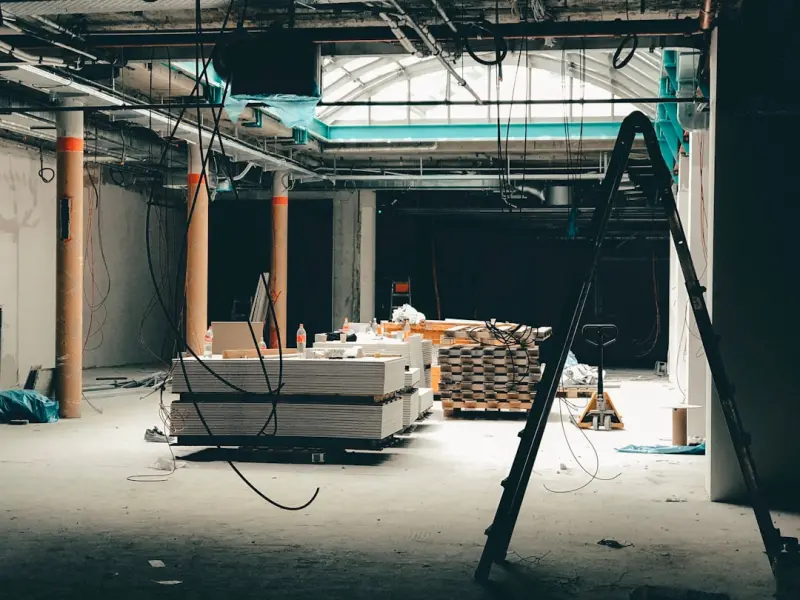
Modular Mastery: Rethinking Commercial Renovations for Agile Futures
A deep dive into how modular core systems, real‑time analytics, and intelligent finishes are transforming commercial renovations into agile, sustainable solut...Read More

Roofing Reimagined: How Smart Materials Are Turning Your Roof Into a Living Asset
Modern roofs are evolving from passive shields to intelligent platforms that generate energy, regulate climate, and predict maintenance needs, delivering signif...Read More
0 Comments
Post Comment
You will need to Login or Register to comment on this post!