

Why Smart Restoration Is the Next Frontier for Historic Homes
When a century‑old farmhouse or a downtown loft with original plaster walls sits on the market, the instinctive question is always the same: Can I keep the character while bringing it up to today’s performance standards? For too long, preservationists and modern homeowners have spoken at cross‑purposes. The former champion authenticity, the latter demand efficiency, comfort, and safety. The good news is that technology, data, and a renewed respect for material cycles have converged to create a discipline I call Smart Restoration. It isn’t about stripping a building of its soul; it’s about weaving new intelligence into the old fabric so that heritage and habitability coexist, thrive, and even enhance one another.
The Core Pillars of Smart Restoration
Smart Restoration rests on three interlocking pillars: diagnostic depth, material stewardship, and responsive systems. Each pillar solves a pain point that has traditionally forced owners into a false dichotomy—keep it old or replace it with something brand‑new.
- Diagnostic depth: Leveraging sensor networks, infrared thermography, and moisture analytics to map hidden issues before a single nail is lifted.
- Material stewardship: Applying circular materiality principles to salvage, repurpose, or up‑cycle historic elements, reducing waste and preserving provenance.
- Responsive systems: Integrating IoT‑enabled climate control, lighting, and security that respect the building’s envelope while delivering modern comfort.
From Guesswork to Data‑Driven Insight
The most common mistake in traditional restoration is relying on visual inspection alone. A cracked plaster ceiling might look pristine, but hidden behind it could be a slow‑moving moisture front that will eventually cause rot. Modern sensor suites can detect temperature differentials as small as 0.1°C, pinpointing thermal bridges and drafts that the naked eye misses.
Take data‑driven mold removal as a case study. By installing hygrometers and moisture meters in walls, contractors can generate real‑time heat maps that illustrate exactly where water is congregating. The result isn’t a blanket demolition of plaster; it’s a targeted, minimally invasive intervention that respects original craftsmanship while eliminating the root cause of decay.
Reimagining Materials Through Circular Materiality
Every historic home is a repository of embodied energy—the energy used to quarry, shape, transport, and install its original materials. When we strip away original wood, stone, or brick without thought, we discard that embodied energy and add fresh carbon footprints. The emerging discipline of circular materiality flips this narrative.
Instead of discarding a reclaimed oak beam that has a small split, a skilled restorationist can treat the split with epoxy resins that are compatible with historic wood, then reinforce it with a hidden steel rod. The beam remains in place, its patina untouched, while gaining structural resilience. Similarly, salvaged bricks can be cleaned and re‑used in new interior accent walls, preserving the visual language of the original masonry while providing a sustainable building block for the future.
Weather‑Smart Envelopes Meet Historic Facades
One of the biggest challenges for older homes is the envelope—the combination of walls, roof, windows, and doors that keeps the interior climate stable. Conventional upgrades often involve swapping original windows for high‑performance vinyl units, which can erase character. A smarter approach is to retain the historic frames and install retrofit glazing—thin, low‑emissivity films that improve thermal performance without altering the visual profile.
Coupled with weather‑smart home envelopes, owners can add discreet air‑tight seals around window sashes and install vapor‑permeable insulation behind interior plaster. This maintains breathability—a key factor for historic structures—while dramatically reducing drafts and heat loss.
IoT as the Silent Steward of Heritage
Imagine a historic townhouse where the HVAC system knows, in real time, the exact humidity level that the original plaster can tolerate. Sensors embedded in the wall send alerts to a smartphone when moisture spikes, prompting a pre‑emptive dehumidification cycle. The system can also learn seasonal patterns, adjusting ventilation to protect delicate finishes without manual intervention.
This isn’t a futuristic fantasy; it’s already being deployed in retrofit projects across Europe and North America. The IoT platform acts as a silent steward—collecting data, making micro‑adjustments, and reporting back to the homeowner with actionable insights. Over time, the system builds a performance baseline for the building, allowing owners to spot anomalies before they become costly failures.
Case Study: The Miller Residence Revival
The Miller family purchased a 1902 Victorian in an urban historic district. The home featured original tongue‑and‑groove pine floors, plaster walls with ornate ceiling medallions, and a wrap‑around porch. However, years of neglect had left the house with chronic moisture issues, drafty windows, and outdated electrical wiring.
Instead of a gut‑renovation, the restoration team applied the Smart Restoration framework:
- Diagnostic Phase: Infrared cameras identified thermal bridges at the roof‑to‑wall junction. Moisture sensors placed in the attic detected intermittent condensation, confirming a hidden leak.
- Material Stewardship: The original pine floorboards were sanded minimally and treated with a bio‑based finish that preserved their patina. Damaged plaster was repaired using lime‑based plasters compatible with the historic substrate.
- Envelope Upgrade: Historic window frames were retained, but low‑E retrofit glazing was installed. A breathable, cellulose‑based insulation was added behind interior walls, preserving wall breathability.
- IoT Integration: A network of humidity, temperature, and CO₂ sensors was installed, feeding data into a cloud dashboard. The system automatically adjusted a discreet, ductless heat pump to maintain optimal indoor conditions.
Within six months, the Miller home achieved a 30% reduction in heating energy use, eliminated mold growth, and retained its Victorian charm. The owners reported a “new sense of comfort” that stemmed from knowing the house was being cared for on a microscopic level.
Budgeting for Smart Restoration: ROI Over Time
Critics often argue that high‑tech restoration is a luxury only the affluent can afford. In reality, the initial outlay can be offset by several long‑term financial benefits:
- Energy Savings: Smart climate control typically yields 20‑35% reductions in heating and cooling costs, especially when combined with weather‑smart envelopes.
- Extended Asset Life: Proactive moisture management and material preservation delay the need for major repairs, extending the life of historic elements by decades.
- Higher Market Value: Homes that retain authentic features while offering modern performance command premium resale prices.
- Tax Incentives: Many jurisdictions offer tax credits for historic preservation and energy efficiency upgrades, further improving the ROI calculus.
Getting Started: A Practical Checklist
For homeowners ready to embark on a Smart Restoration journey, here’s a concise roadmap:
- Historical Assessment: Document original materials, construction methods, and any previous interventions. Engage a preservation architect if needed.
- Diagnostic Survey: Conduct infrared thermography, moisture mapping, and structural scanning to locate hidden issues.
- Define Goals: Decide which character‑defining elements you must keep and which performance gaps you need to close.
- Engage Circular Suppliers: Source reclaimed bricks, reclaimed timber, or recycled insulation that meet historic standards.
- Plan IoT Integration: Choose a platform that offers modular sensors, open APIs, and a user‑friendly dashboard.
- Implement in Phases: Prioritize envelope sealing and moisture control, then move to interior finishes and smart systems.
- Monitor and Iterate: Use the sensor data to fine‑tune HVAC schedules, detect emerging issues, and adjust maintenance plans.
Future Outlook: Preservation as a Living Discipline
Smart Restoration reframes historic homes not as static museums but as living, breathing habitats that evolve with technology. As AI‑driven analytics become more accessible, we’ll see predictive models that forecast when a plaster crack might expand or when a roof truss is approaching fatigue, prompting pre‑emptive action.
The ultimate vision is a world where the phrase “old house” no longer triggers concerns about inefficiency or high maintenance. Instead, it evokes images of timeless beauty paired with invisible, intelligent systems that protect, preserve, and enhance the living experience. By embracing data, circularity, and responsive technology, we can honor the past while building a resilient, sustainable future for our built heritage.

Craig Brett is a freelancer with a passion for the outdoors. His love for nature inspires his work, bringing authentic and engaging perspectives to projects related to outdoor activities, adventure, and environmental topics.
Related Posts
Rediscovering Heritage: A Hands‑On Guide to Restoring Historic Home Details
Discover a practical, step‑by‑step approach to reviving original plaster, hardwood floors, and b... Read More

Reviving Original Wood Floors: A Homeowner’s Guide to Timeless Restoration
A step‑by‑step guide to restoring original wood floors, blending historic preservation with mode... Read More
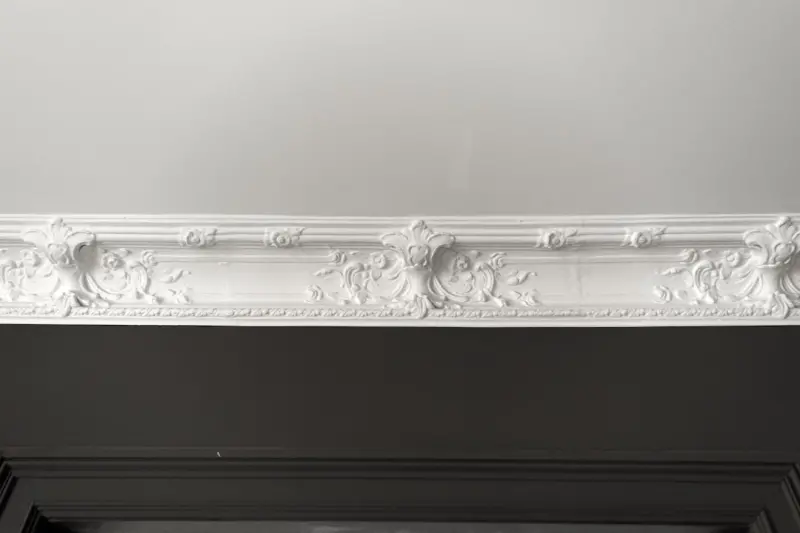
Reviving Historic Crown Molding: A Hands‑On Guide to Authentic Home Restoration
Discover a step‑by‑step approach to restoring historic crown molding, balancing authenticity, co... Read More
Top Posts
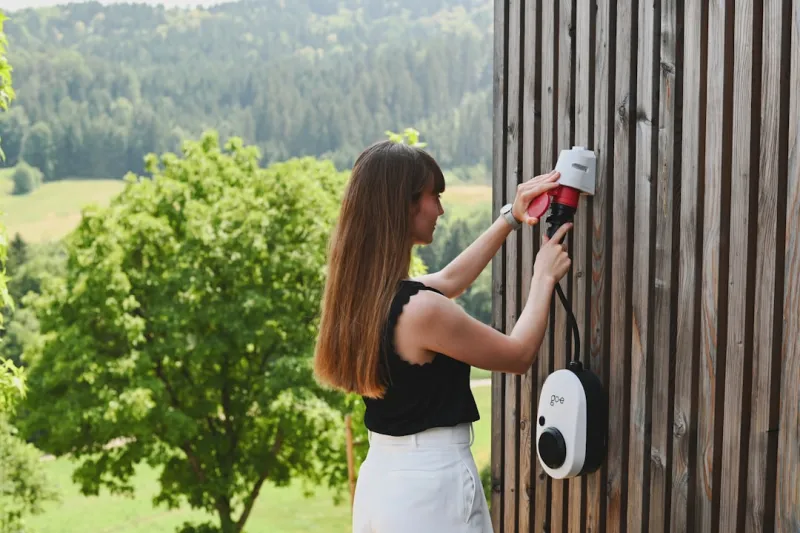
Weatherproofing Your Home for a Sustainable Future
Weatherproofing your home is crucial for a sustainable future. Learn how to reduce energy consumption, lower utility bills, and protect your home from extreme w...Read More
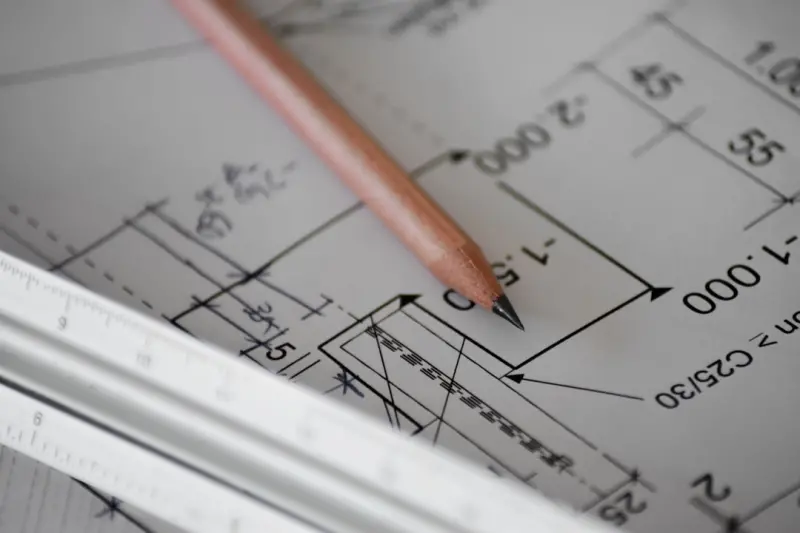
Parametric Design: Data‑Driven Facades Redefining Urban Skylines
Parametric design turns building skins into responsive, data‑infused systems that enhance energy efficiency, occupant comfort, and brand value, ushering in a ...Read More

A Fresh Take on Home Alarm Systems: Human‑Centric Security for Modern Living
Explore how a human‑centric alarm system blends context‑aware alerts, multi‑modal sensors, and neighborhood networks to deliver smarter, stress‑free hom...Read More
Edible Landscapes: Turning Lawns into Kitchen Gardens
Explore the rise of edible landscaping, a design approach that converts ordinary lawns into thriving kitchen gardens, delivering fresh food, reduced maintenance...Read More
0 Comments
Post Comment
You will need to Login or Register to comment on this post!