

Why a Checklist Is Your Renovation Super‑Power
Renovating a home can feel like orchestrating a symphony while juggling a circus. One missed note, and the whole performance wobbles. That’s why I swear by a renovation checklist that walks you through every phase— from the first spark of inspiration to the final polish on the new crown molding. This isn’t just a bullet list; it’s a mindset shift that turns chaos into clarity, budget overruns into savings, and sleepless nights into a confident, well‑documented plan.
1. Clarify the “Why” Before the “What”
Before you even step foot in a showroom, write down the core motivations behind the project. Are you expanding for a growing family? Boosting resale value? Creating a dedicated home‑office sanctuary? Pinpointing the why gives each subsequent decision a clear north star and prevents scope creep.
- Primary goal: List the single most important outcome you expect.
- Secondary goals: Jot down two or three nice‑to‑have improvements that can be phased in later.
- Deal‑breakers: Identify any constraints (budget caps, historic preservation rules, HOA restrictions) that cannot be compromised.
2. Budget Blueprint: Numbers First, Dreams Second
It’s tempting to start dreaming in marble and brass, but a realistic budget is the foundation of any successful remodel. Break your budget into categories, and allocate a contingency buffer—usually 10‑15 % of the total—so unexpected findings (like a hidden pipe) don’t derail the project.
- Hard costs: Materials, labor, permits, and subcontractor fees.
- Soft costs: Design fees, project management software, and insurance.
- Contingency: Set aside a separate line item for surprise expenses.
When you’re ready to track these numbers, consider integrating a simple spreadsheet or a SaaS‑based budgeting tool. The key is to update it weekly; that habit alone can save you thousands.
3. Scope & Prioritization Matrix
Not every renovation component carries the same weight. Use a matrix to rank each task by impact (how much it moves you toward your primary goal) and effort (cost, time, disruption). High‑impact, low‑effort items—like swapping out dated cabinet hardware—should be tackled early for quick wins. Conversely, low‑impact, high‑effort tasks can be postponed or eliminated.
4. Choose the Right Professionals
Hiring the right team is half the battle. Here’s my go‑to vetting process:
- Portfolio review: Look for projects that mirror your style and scope.
- References: Speak to at least three former clients about timeliness, communication, and budget adherence.
- Licensing & insurance: Verify both the contractor and any subcontractors are properly licensed and insured in your state.
- Compatibility check: A good contractor should listen, ask clarifying questions, and respect your timeline.
Once you’ve narrowed down the field, ask for a detailed, line‑item estimate. Vague “all‑inclusive” quotes often hide hidden costs.
5. Permit Parade—Don’t Skip the Paperwork
Permits are the unsung heroes of a smooth renovation. While you might be tempted to “just get on with it,” bypassing permits can lead to costly rework, fines, or even the need to undo finished work. Create a permit checklist that includes:
- Scope of work (electrical, plumbing, structural)
- Required documents (site plans, engineering reports)
- Submission deadlines
- Inspection dates and required sign‑offs
If you’re unsure which permits apply, your contractor should be able to guide you, or you can consult the municipal building department’s online portal.
6. Materials Research: Quality Meets Longevity
Materials can make or break your renovation’s ROI. Instead of defaulting to the cheapest option, weigh durability, maintenance, and resale appeal. For example, engineered hardwood may cost more upfront than laminate but often yields higher resale value and lasts longer under foot traffic.
- Performance: Does the product stand up to humidity, wear, or UV exposure?
- Warranty: A solid warranty can protect you against premature failure.
- Eco‑credentials: Look for FSC‑certified wood, recycled-content tiles, or low‑VOC paints—these choices can also boost indoor air quality.
7. Smart Home Integration Without the Overkill
Modern renovations are an ideal opportunity to weave smart technology into the fabric of your home. You don’t need a fully automated mansion; a few strategic upgrades can improve comfort and efficiency.
- Lighting: Install dimmable LED fixtures paired with motion sensors in high‑traffic zones.
- Thermostats: A programmable or learning thermostat reduces energy waste while keeping you cozy.
- Security: Smart locks and video doorbells provide peace of mind, especially during construction when doors are frequently opened.
For a data‑driven approach to post‑renovation upkeep, check out Predictive Property Maintenance: Turning Data Into Dollars. It outlines how early‑stage sensor data can inform future repairs before they become costly emergencies.
8. Timeline Management: The Gantt‑Lite Approach
Even the most meticulous checklist can crumble if the timeline is fuzzy. I recommend a simplified Gantt chart that breaks the project into weekly milestones. Include buffers for critical path items such as:
- Drywall installation and drying time
- Flooring acclimation (often 48‑72 hours)
- Final inspections and certificate of occupancy.
Track progress with a shared cloud folder or project management app—everyone from the architect to the electrician can upload daily photos, change orders, and notes. Transparency prevents “out‑of‑the‑blue” surprises.
9. Safety First: Protect People and Property
Construction zones are hazardous by nature. Establish a safety protocol that covers:
- Site access: Clearly mark pedestrian pathways and restrict unauthorized entry.
- Protective equipment: Ensure all workers wear hard hats, safety glasses, and appropriate footwear.
- Dust control: Use HEPA filters and seal off adjoining rooms to preserve indoor air quality.
In addition, schedule a post‑renovation walk‑through with your contractor to verify that fire exits are unobstructed, smoke detectors are functional, and all electrical panels are labeled.
10. The “Hidden Value” of Appliance Planning
Many homeowners focus on visible elements—cabinets, countertops, paint—while overlooking the long‑term value of well‑chosen appliances. A high‑efficiency refrigerator, induction cooktop, or smart washer can lower utility bills and become a selling point later. To make informed choices, consult The Hidden Value of Scheduled Appliance Check‑Ups, which explains how routine maintenance extends life and maximizes ROI.
11. Communication Protocol: One Source of Truth
Miscommunication is the silent killer of renovation budgets. Establish a single point of contact—often the project manager or your primary contractor—and define the preferred communication channels (email, text, weekly video calls). Document every decision change in writing; this creates an audit trail that protects you from scope creep.
12. Final Walk‑Through & Punch List
When the dust settles, conduct a meticulous walk‑through with the contractor. Use a punch‑list template that covers:
- Cosmetic touch‑ups (paint drips, scratches)
- Functionality checks (door swings, faucet flow)
- Documentation (warranties, operation manuals, as‑built drawings)
Only sign off on the project once every item on the punch list is resolved. This final step safeguards your investment and ensures you can enjoy the space without lingering niggles.
13. Post‑Renovation Maintenance Calendar
Renovation doesn’t end with the last nail hammered. Set up a recurring maintenance calendar that aligns with the materials you’ve installed:
- Quarterly HVAC filter changes
- Bi‑annual grout sealing for tiled areas
- Annual inspection of window seals and door hardware
By treating your remodel as a living system, you protect both the aesthetic and functional integrity for years to come.
14. Capture the Story – Before & After Portfolio
Finally, document the transformation. High‑resolution before‑and‑after photos not only give you a sense of accomplishment but also serve as a valuable reference for future upgrades or resale listings. Keep a digital album with notes on what worked, what didn’t, and any lessons learned.
Putting It All Together: A Sample Checklist
Below is a condensed version of the comprehensive checklist described above. Feel free to copy, paste, and customize it for your own project.
- Define Goals & Priorities
- Establish Budget & Contingency
- Scope & Impact/Effort Matrix
- Select Contractor (Portfolio, References, Licenses)
- Secure Permits & Schedule Inspections
- Research & Order Materials
- Integrate Smart Home Features (Lighting, Thermostat, Security)
- Develop Timeline (Weekly Milestones + Buffers)
- Set Safety Protocols (Dust Control, PPE)
- Plan Appliance Selection & Maintenance
- Define Communication Plan (One Point of Contact)
- Conduct Final Walk‑Through & Complete Punch List
- Create Post‑Renovation Maintenance Calendar
- Document Before & After with Photos & Notes
Use this as a living document—add, remove, or reorder items as your project evolves. The beauty of a checklist is its flexibility; it adapts to the unique rhythm of your home and your life.
Conclusion: Your Renovation, Your Narrative
Renovating isn’t just about fresh paint or new fixtures; it’s about crafting a space that aligns with who you are today and who you’ll become tomorrow. By following a disciplined checklist, you transform a potentially overwhelming endeavor into a strategic, rewarding journey. Remember, the checklist is not a rigid rulebook; it’s a compass that keeps you oriented, focused, and in control. So grab a pen, open a spreadsheet, and start mapping your dream—one deliberate step at a time.

Kelly Reynolds is a dynamic freelance writer hailing from the picturesque landscapes of Alberta. A master of the written word, she juggles her passion for storytelling with the exhilarating chaos of being a mother to five spirited children. With an impressive portfolio that spans various genres, Kelly captivates readers through her engaging blog posts and thought-provoking articles.
Related Posts
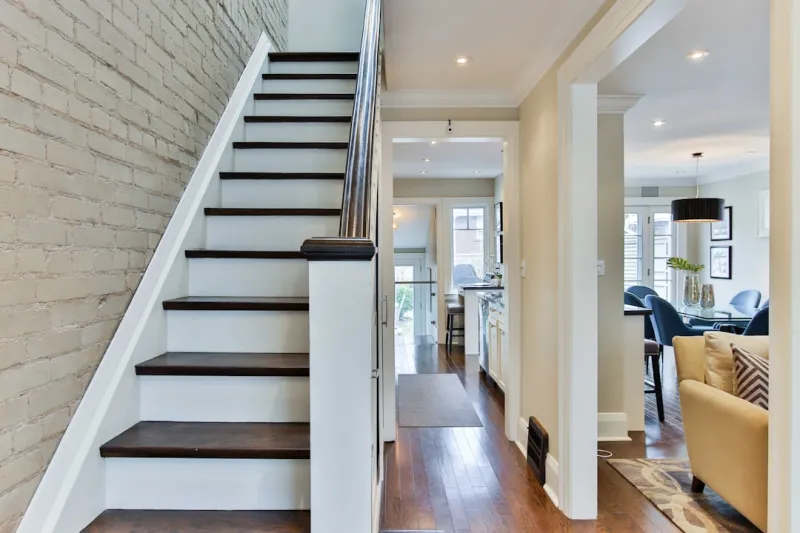
The Ultimate Renovation Checklist: A Step-by-Step Guide
A comprehensive renovation checklist is essential to ensure that your project stays on track, within... Read More
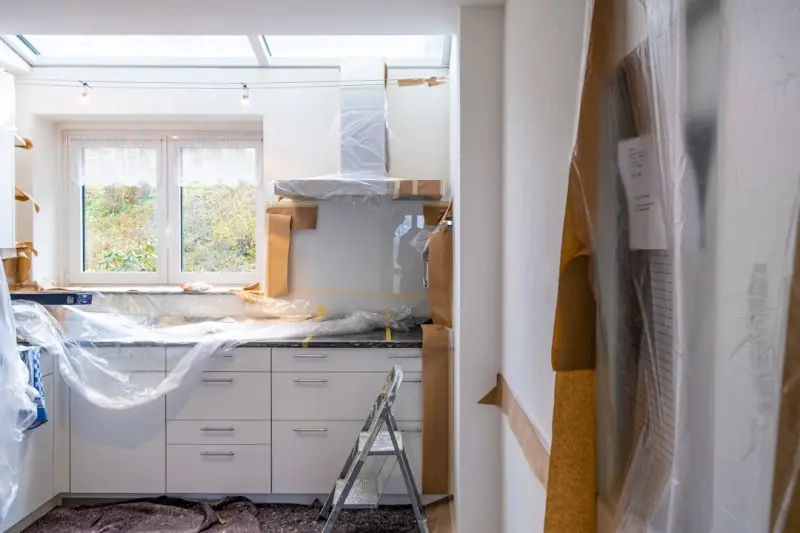
Renovation Checklist: Future‑Ready Flex Spaces and Tech‑Savvy Upgrades
A detailed, step‑by‑step renovation checklist helps homeowners create adaptable, tech‑enabled ... Read More

The Ultimate Renovation Checklist for Aging‑In‑Place Homes
Discover a comprehensive, printable checklist that guides homeowners through every stage of an aging... Read More
Top Posts

Design‑Build Fusion: Harnessing Real‑Time 3D Digital Twins to Accelerate Projects
Real‑time 3D digital twins are revolutionizing design‑build by providing instant feedback, risk transparency, and client empowerment, turning speculative de...Read More

Why Proactive Foundation Repair Is the Unsung Competitive Advantage for Commercial Properties
A deep dive into why treating foundation health as a strategic asset can cut costs, improve tenant satisfaction, and enhance ESG performance, complete with a st...Read More

Curating Quiet Corners: Acoustic Zoning for Modern Interiors
Explore the art of acoustic zoning—strategic design techniques, material selections, and smart sensor integration—to craft quiet corners that boost focus, r...Read More

Adaptive Window Dressings: Merging Comfort, Energy, and Wellness
Modern window dressings are evolving into intelligent systems that manage light, heat, sound, and health. Discover how adaptive fabrics, automation, and data-dr...Read More
0 Comments
Post Comment
You will need to Login or Register to comment on this post!