

The Rise of Interactive Countertops: Turning Surfaces into Digital Assistants
When I first walked into a showroom three years ago, the countertop selection felt like a classic design dilemma: marble for elegance, quartz for durability, laminate for budget‑friendliness. Fast forward to today, and I’m standing over a slab that not only resists stains but also displays the day’s menu, monitors food safety, and even syncs with my home’s HVAC system. This isn’t a sci‑fi fantasy; it’s the emerging reality of interactive countertops. In this piece, I’ll pull back the curtain on the technology, the design considerations, and the practical implications for anyone thinking about the next kitchen upgrade.
From Passive Surface to Active Participant
Traditional countertops have always been passive—they bear weight, resist heat, and provide a clean aesthetic. The new generation flips that script. By embedding thin‑film displays, capacitive touch layers, and low‑power micro‑controllers directly beneath the finish, manufacturers are creating surfaces that can:
- Show step‑by‑step recipes while you prep.
- Alert you when a pot reaches a boiling point.
- Track the weight of ingredients for precision cooking.
- Integrate with voice assistants to set timers, play music, or answer questions.
This shift mirrors what we’ve seen in other building components. Remember the article on smart fences? The same principle—embedding intelligence into the fabric of the built environment—now applies to the heart of the home.
Technology Under the Top
There are three core tech layers that make an interactive countertop possible:
1. The Display Layer
Modern flexible OLED or e‑ink sheets can be laminated beneath a quartz or engineered stone surface without compromising durability. These displays are ultra‑thin (often under 0.5 mm) and can be programmed to show anything from a simple temperature readout to a full‑color cooking video.
2. The Touch & Sensor Grid
Capacitive touch sensors, similar to those on smartphones, are woven into a polymer mesh. In addition, built‑in thermistors, weight sensors, and even moisture detectors provide real‑time data about what’s happening on the countertop. The data is processed locally, meaning you don’t need a constant cloud connection for basic functions.
3. The Processing & Power Hub
A compact, low‑heat controller board sits in a concealed cavity (often behind the backsplash). It runs a lightweight OS—think a stripped‑down version of Android or a custom Linux distro—optimised for quick boot times and minimal power draw. Power is usually supplied via a standard 120 V outlet, but some manufacturers are experimenting with energy‑generating flooring that captures foot traffic to supplement electricity.
Design Considerations: A Balancing Act
Integrating tech isn’t just about slapping a screen under a slab. You have to think about aesthetics, ergonomics, and long‑term maintenance.
Aesthetic Cohesion
Homeowners still crave the tactile feel of natural stone or the sleek sheen of engineered quartz. The challenge is to hide the technology without sacrificing the visual language of the kitchen. Manufacturers are using ultra‑clear epoxy finishes that protect the display while preserving the natural veining of stone.
Ergonomic Placement
Where you locate the interactive zone matters. Most designers recommend a central “command strip”—about 12‑inch wide—running the length of the main prep area. This positioning ensures that the user’s line of sight aligns with the display while chopping, stirring, or plating.
Cleaning & Durability
Kitchen messes are inevitable. The surface must be resistant to acidic spills, high temperatures, and abrasive scrubbing. The protective coating, therefore, needs to be both chemically inert and scratch‑proof. Recent advances in nano‑ceramic coatings provide a hard, hydrophobic layer that repels liquids and reduces fingerprint smudges.
Why It Matters: Productivity and Safety Gains
Beyond the novelty factor, interactive countertops deliver measurable benefits.
- Reduced Cognitive Load: Having a recipe displayed right where you’re working eliminates the need to toggle between a phone or tablet, keeping the workflow fluid.
- Precision Cooking: Real‑time weight and temperature data allow for sous‑vide‑style accuracy without specialized equipment.
- Food Safety: Sensors can detect when a surface has been in contact with raw meat and automatically trigger a cleaning reminder or even a UV‑light sanitation cycle.
- Energy Efficiency: By syncing with smart appliances, the countertop can delay heating elements until you’re ready, cutting wasted energy.
These advantages echo the broader narrative of “smart” building components—think of the insulation reimagined piece that highlighted how embedded sensors turn passive walls into active energy guardians.
Installation Realities: What Contractors Need to Know
For builders and remodelers, adopting interactive countertops means updating the installation workflow.
- Pre‑Planning: The cabinetry must accommodate the hidden hub and any necessary wiring. This often requires a dedicated conduit channel that runs behind the backsplash.
- Leveling Precision: Even a millimetre of unevenness can affect touch responsiveness. Contractors should use laser levels and digital thickness gauges during the install.
- Calibration: Once the slab is set, a quick calibration routine aligns the touch grid with the display. Most systems include a handheld calibrator that flashes a series of points on the screen for the installer to confirm.
- Future‑Proofing: Choose a platform that supports OTA (over‑the‑air) updates. This ensures the countertop can receive new features—like additional voice assistants—without a full hardware overhaul.
Cost Landscape: Investment vs. ROI
The price tag for an interactive countertop can range from $150 per square foot for a basic quartz‑based system to $350 per square foot for premium stone with high‑resolution displays. While that’s a premium over traditional slabs, the ROI can be compelling:
- Reduced Appliance Redundancy: A built‑in display can replace a separate kitchen tablet, saving $100‑$200.
- Energy Savings: Integrated appliance control can trim utility bills by 5‑10%.
- Home Value: Smart home features are increasingly becoming selling points; a recent market analysis showed a 2‑3% uplift for homes with integrated kitchen tech.
Case Study: A Boutique Hotel’s Kitchen Upgrade
One of my recent consulting gigs involved a boutique hotel looking to modernise its open‑concept kitchen. The owners wanted a surface that could serve both the culinary team and the on‑site coffee bar. We installed a 12‑foot interactive quartz slab with a dual‑mode interface: a chef‑focused mode displaying order tickets and a café mode showing coffee‑brew timers.
Within three months, the hotel reported a 15% reduction in prep time and a noticeable dip in waste, thanks to precise ingredient measurement. Guest satisfaction scores rose by 8 points, largely attributed to the consistency of dishes—a direct outcome of the technology’s guidance.
Potential Pitfalls and How to Avoid Them
No technology is flawless. Here are common challenges and mitigation strategies.
Software Glitches
Because the countertop runs a mini‑OS, bugs can occur. Choosing a platform with a strong support ecosystem and regular OTA patches is crucial. A service contract that includes remote diagnostics can also keep downtime to a minimum.
Heat Transfer Issues
Placing a hot pot directly on a display can cause thermal stress. Manufacturers typically recommend a thin silicone heat diffuser under high‑heat cookware. Some premium models even integrate a heat‑sensing layer that dims the display when temperature thresholds are exceeded.
Privacy Concerns
Voice assistants and cameras can raise privacy questions. Opt for edge‑processing solutions that keep data local, and provide users with clear opt‑out controls for any cloud‑based features.
The Future: What’s Next for Countertop Tech?
We’re only scratching the surface—pun intended. The next wave could include:
- Modular Tiles: Swappable display tiles that allow owners to replace or upgrade sections without discarding the entire slab.
- AI‑Driven Cooking Assistants: Machine‑learning models that adapt recipes to the user’s skill level, suggesting shortcuts or flavor tweaks in real time.
- Health Monitoring: Integrated spectrometers that analyze food composition, flagging allergens or nutritional imbalances.
- Energy Harvesting: Surfaces that capture kinetic energy from cutting motions to power low‑energy sensors.
The convergence of material science, embedded electronics, and user‑centred design is turning the humble countertop into a command centre for the modern home. As designers, contractors, and homeowners begin to recognise the value of this shift, we’ll see a rapid adoption curve—much like the early days of smart lighting and thermostats.
Takeaway: Is an Interactive Countertop Right for You?
If you love cooking, value efficiency, and enjoy a dash of tech‑savvy flair, an interactive countertop can be a game‑changer. However, it’s essential to evaluate:
- Budget: Ensure the added cost aligns with your overall renovation goals.
- Usage Patterns: High‑traffic kitchens benefit most from the productivity gains.
- Future‑Proofing: Choose a system with a clear upgrade path.
In the end, the decision boils down to whether you view your kitchen as a static stage or a dynamic platform for creativity and smart living. For me, the answer is clear: the kitchen should evolve alongside the rest of the home, and interactive countertops are a compelling step forward.

William Roy is a freelance writer originally from Montreal who moved to Ottawa with his wife of 50 years to be closer to their grandkids. Alongside his writing, William has a passion for fishing.
Related Posts
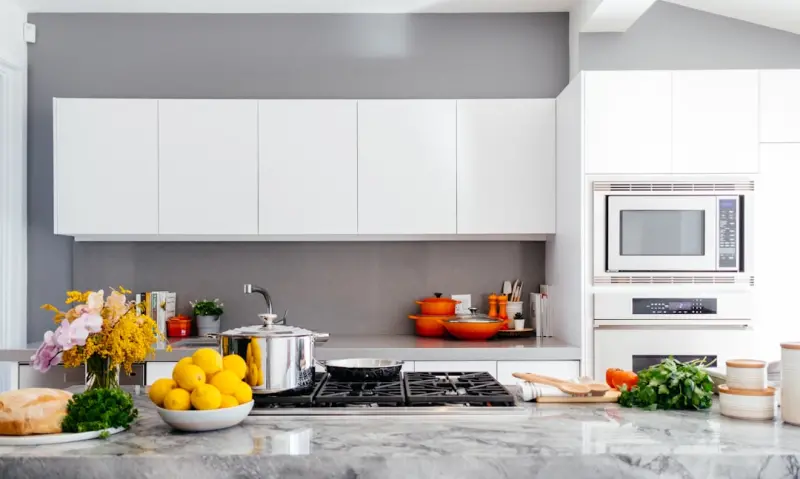
Countertop Trends that Blend Style, Smart Tech, and Sustainability
Explore how recycled quartz, concrete, and smart-integrated countertops are reshaping kitchens with ... Read More
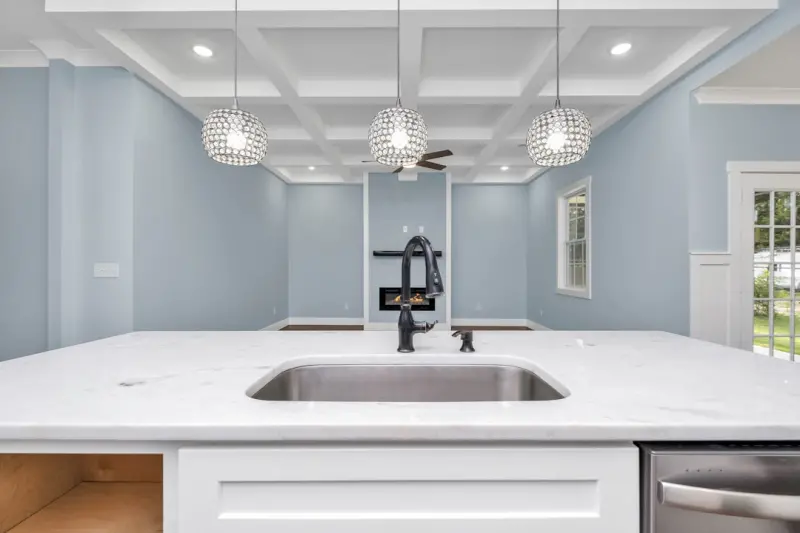
Rethinking Countertops: Smart, Sustainable Surfaces for Modern Spaces
Countertops are evolving from static finishes to intelligent, sustainable surfaces. This post uncove... Read More

The Countertop Conundrum: How to Choose, Care for, and Future‑Proof Your Kitchen Surface
A personal guide to picking the right countertop, balancing durability, sustainability, and resale v... Read More
Top Posts

Concrete Innovations That Are Reshaping Modern Construction
Explore the latest concrete breakthroughs—from ultra‑high‑performance mixes to 3D printing and self‑healing technology—that are redefining durability,...Read More

Handyman Hacks: How AR and On‑Demand Platforms Are Redefining Home Repairs
Learn how modern handymen can combine augmented reality with on‑demand platforms to speed up jobs, improve client communication, and scale their business in t...Read More

Fencing Trends: How Sustainable Design Is Redefining Outdoor Spaces
Discover how eco‑friendly materials, smart technology, and innovative designs are turning fences into sustainable statements that boost curb appeal and protec...Read More

Beyond the Basement: Mastering Waterproofing for Long‑Term Home Health
A seasoned renovator shares a step‑by‑step, future‑focused guide to waterproofing basements using breathable membranes, interior drains, and eco‑friendl...Read More
0 Comments
Post Comment
You will need to Login or Register to comment on this post!