
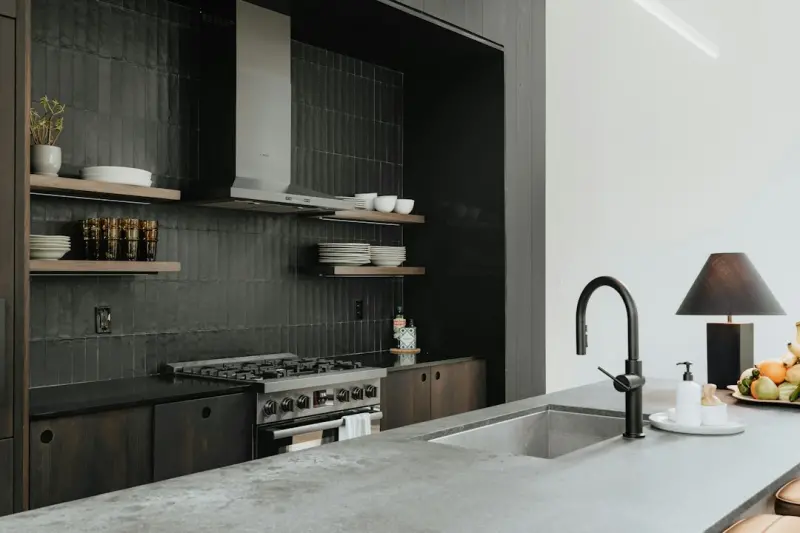
The Rise of Intelligent Countertops
When you walk into a modern kitchen or a collaborative office lounge, the first thing you notice is often the countertop. It’s the silent workhorse that holds your coffee mug, your laptop, and the occasional stray sketchpad. Yet, beneath its polished veneer lies a frontier of material science, sustainability, and digital integration that most designers still treat as an afterthought. In this deep‑dive, I’ll unpack why countertops are no longer just decorative slabs, but strategic assets that can improve health, cut waste, and even talk to the building’s smart ecosystem.
From Stone to Smart: A Brief Materials Timeline
Historically, countertops have been dominated by three families: natural stone (granite, marble), engineered stone (quartz composites), and laminate. Each offered a trade‑off between durability, aesthetics, and cost. The last decade, however, introduced a wave of high‑performance alternatives that challenge the old hierarchy:
- Recycled Concrete & Glass Composites – By up‑cycling construction waste, these surfaces reduce landfill pressure while delivering impressive compressive strength.
- Bio‑Based Resins – Derived from soy, corn, or algae, they replace petroleum‑based binders, cutting embodied carbon by up to 40 %.
- Antimicrobial Nanocoatings – Embedded silver or copper nanoparticles inhibit bacterial growth, turning countertops into passive hygiene barriers.
- Thermo‑Regulating Surfaces – Phase‑change materials (PCMs) integrated into the slab absorb heat during cooking and release it later, stabilizing kitchen temperatures.
- Embedded Sensors & Connectivity – Thin, flexible circuits woven into the substrate can monitor temperature, weight, and even detect spills in real time.
These innovations aren’t just marketing buzzwords; they represent tangible performance upgrades that align with broader building goals.
Why Material Choice Matters for Health & Productivity
Consider the average office worker who spends 8‑10 hours a day at a desk. A countertop that can sense a cluttered workspace and gently remind you to clear it, or one that actively kills pathogens, can dramatically affect well‑being. Studies show that a clean, visually calm surface reduces stress hormones by up to 15 %. When you pair that with antimicrobial treatment, the risk of cross‑contamination in shared kitchens drops sharply.
For residential settings, the impact is equally compelling. Home chefs often juggle raw meats, fresh produce, and hot pans on the same surface. A countertop with built‑in temperature‑responsive zones can keep cutting boards cool while the stovetop area remains heat‑resistant, preserving knife sharpness and preventing accidental burns.
Environmental Footprint: The Sustainable Countertop Playbook
Choosing a countertop isn’t just about aesthetics; it’s a decision that echoes through the building’s lifecycle. Below is a quick checklist to assess the eco‑credibility of a material:
- Embodied Carbon – Look for life‑cycle analysis (LCA) data. Bio‑based resins and recycled composites typically score lower than virgin quartz.
- Recyclability at End‑of‑Life – Materials that can be crushed and re‑used in new slabs close the loop.
- Water Usage – Traditional stone polishing consumes large volumes of water; newer low‑water finishing techniques mitigate this.
- Durability – Longer‑lasting surfaces mean fewer replacements, reducing cumulative impact.
When you combine these criteria with real‑time energy inspection data, you can quantify how a low‑carbon countertop contributes to overall building performance.
Smart Integration: Countertops as Part of the Building’s Digital Nervous System
Imagine a conference room where the countertop knows when a presenter is placing a laptop, and automatically powers on the room’s display via inductive charging. Or a kitchen that alerts you when a pot has been left on the stove for too long. These scenarios become possible when countertops are woven into the Internet of Things (IoT).
Key technologies enabling this integration include:
- Low‑Power Bluetooth Mesh – Allows each countertop segment to communicate with lighting, HVAC, and occupancy sensors.
- Embedded NFC Tags – Provide instant access to recipes, cleaning instructions, or maintenance logs when a smartphone taps the surface.
- Energy Harvesting Layers – Convert foot traffic or kitchen heat into usable electricity, powering the embedded electronics without external wiring.
By treating the countertop as a data point rather than a passive slab, architects can unlock new workflows for facilities managers. Predictive maintenance alerts, for example, can be scheduled directly from a preventive maintenance checklist, reducing downtime and extending surface life.
Design Flexibility: Form Meets Function
Beyond performance, modern countertops are pushing the boundaries of design. 3‑D printing with cement‑based inks now enables organic, flowing shapes that were once impossible with traditional fabrication. Coupled with programmable LED backlighting, designers can create mood‑setting surfaces that change hue based on time of day or user preference.
For commercial spaces, the ability to model counter surfaces in a digital twin means stakeholders can simulate wear patterns, test cleaning protocols, and forecast replacement cycles before a single square foot is installed.
Cost Considerations: Budgeting for Innovation
It’s a common myth that high‑tech countertops are prohibitively expensive. While upfront material costs for advanced composites can be 20‑30 % higher than basic laminate, the total cost of ownership (TCO) tells a different story:
- Reduced Cleaning Expenses – Antimicrobial surfaces lower the need for harsh chemicals and frequent deep‑cleaning.
- Extended Service Life – Thermo‑regulating and high‑impact composites can outlast traditional stone by 15‑20 years.
- Energy Savings – Integrated PCMs and sensor‑driven HVAC adjustments can shave 5‑8 % off a building’s annual energy bill.
When you factor in these savings, the payback period often falls within 5‑7 years, making the investment financially sound for both residential remodels and commercial fit‑outs.
Installation & Maintenance: Best Practices
Even the smartest countertop will underperform if installed incorrectly. Here are a few pro tips:
- Substrate Preparation – Ensure the base is flat within ±2 mm. Any deviation can cause stress points that compromise embedded sensors.
- Sealant Compatibility – Use silicone sealants rated for the specific material to prevent chemical interactions that degrade nanocoatings.
- Calibration Routine – After installation, run the built‑in sensor self‑check using the manufacturer’s app. This guarantees accurate temperature and weight readings.
- Periodic Cleaning – For antimicrobial surfaces, a mild pH‑balanced cleaner preserves the nanocoating’s efficacy. Avoid abrasive pads that can scratch the embedded circuitry.
Adhering to these practices not only preserves the countertop’s lifespan but also maintains the integrity of its smart functions.
Future Outlook: What’s Next for Countertop Innovation?
Looking ahead, three trends are set to dominate the countertop market:
- Fully Transparent Conductive Surfaces – Graphene‑based films that allow touch interaction without visible electrodes.
- Self‑Healing Materials – Polymers that seal micro‑cracks when exposed to heat or UV light, extending durability.
- AI‑Driven Surface Analytics – Machine learning models that predict wear patterns and suggest proactive cleaning schedules.
These advancements will blur the line between furniture and building infrastructure, turning the countertop from a static platform into an active participant in the built environment’s performance ecosystem.
Conclusion: Redefining the Countertop’s Role
In a world where sustainability, health, and digital connectivity are non‑negotiable, countertops have a unique opportunity to lead the charge. By selecting materials that are recycled, antimicrobial, and sensor‑enabled, you can create spaces that not only look beautiful but also contribute to a healthier indoor environment and lower operational costs. The next time you design a kitchen or a collaborative hub, think of the countertop not as a finishing touch, but as a strategic platform that elevates the entire space.

Lifan Chen is a freelancer based in Toronto specializing in marketing. With expertise in crafting effective marketing strategies and campaigns, Lifan helps businesses grow their brand presence and reach target audiences. As a Toronto-based freelancer, Lifan combines local market insights with creative marketing skills to deliver tailored solutions for clients.
Related Posts
Countertop Revolution: AI, Sustainability, and the Future of Workspaces
Modern countertops are evolving from static slabs into intelligent platforms that blend AI‑optimiz... Read More
The Future of Countertops: Sustainable Materials and Designs
Explore the world of sustainable countertops and learn how to create a greener home with eco-friendl... Read More

Choosing Countertops That Blend Sustainability, Style, and Smart Functionality
Explore how recycled‑stone composites, smart surfaces, and multi‑functional designs can transfor... Read More
Top Posts

Living Climate Buffers: How Decks Can Modulate Temperature, Moisture, and Biodiversity
Decks can do more than host gatherings—they can become active climate buffers that capture solar heat, shed warmth at night, manage rainwater, and nurture bio...Read More

Why Smart Gutters Are the Unsung Heroes of Sustainable Buildings
Smart gutters are evolving from passive rain chutes into intelligent, data‑driven assets that reduce water damage, lower utility bills, and even generate micr...Read More

Everyday Home Wellness: Simple Tips for a Healthier Living Space
Transform your home into a sanctuary of health and calm with simple, everyday actions—air‑freshening tricks, natural cleaning recipes, mindful decluttering,...Read More

The Importance of Professional Help in Home Maintenance
Maintaining a home can be daunting, but with professional help, homeowners can enjoy a beautiful, functional, and safe living space. Learn about the importance ...Read More
0 Comments
Post Comment
You will need to Login or Register to comment on this post!