

Why Countertops Deserve a Deep Dive
Most homeowners glance at their countertops as a static backdrop, yet these surfaces silently dictate the rhythm of daily cooking, cleaning, and even social gatherings; their material composition, edge profile, and finish converge to create a functional canvas that can either simplify or complicate life. Choosing the right slab is not merely an aesthetic decision but a strategic investment that influences long‑term maintenance costs, energy efficiency, and the environmental imprint of a household; each material tells a story about extraction methods, manufacturing emissions, and end‑of‑life recyclability. By treating countertops as a living component of the home ecosystem, you unlock the ability to align design aspirations with practical priorities such as durability, hygiene, and resale appeal.
The Hidden Science of Sustainable Sourcing
When you step beyond glossy showroom samples, you discover that sustainable sourcing hinges on a transparent supply chain, responsible quarrying practices, and the use of reclaimed or low‑impact raw materials; natural stone, engineered quartz, and emerging bio‑composite options each carry distinct ecological footprints that merit scrutiny. For example, reclaimed wood‑based composites repurpose agricultural waste, reducing landfill pressure while delivering a warm aesthetic, whereas traditional marble extraction often entails significant water consumption and habitat disruption—facts that savvy buyers can verify through certifications like ISO 14001 or the NRCA’s sustainability pledge. Understanding these nuances empowers you to demand sustainable sourcing guarantees from fabricators, ensuring that the countertop you install contributes to a greener future rather than merely adorning it.
Food Safety Starts at the Surface
Beyond visual appeal, the countertop surface plays a pivotal role in preventing cross‑contamination, harboring bacteria, and preserving food quality; porous materials such as untreated wood or certain natural stones can absorb juices, creating micro‑environments where pathogens thrive, while non‑porous engineered surfaces provide a barrier that is easier to sanitize. The science of food‑safe surfaces emphasizes the importance of antimicrobial treatments, seamless seams, and heat‑resistant finishes that withstand the rigors of daily culinary activity without cracking or staining—a factor often overlooked in budget‑driven selections. Integrating this knowledge into your design process means opting for surfaces that meet FDA guidelines for food contact, thereby safeguarding the health of your family and guests alike.
Integrating Smart Features Without Compromise
Modern kitchens are increasingly wired for convenience, and countertops are emerging as platforms for integrated technology such as wireless charging pads, embedded touch controls, and temperature‑regulated zones that keep dough warm or chocolate cool; however, the challenge lies in marrying these innovations with the inherent durability and aesthetic demands of a work surface. Selecting a material that can accommodate embedded circuitry without compromising structural integrity requires collaboration between designers, electricians, and fabricators, ensuring that the final product remains resistant to scratches, heat, and moisture. When executed correctly, a smart countertop becomes an invisible assistant that streamlines prep work and enhances the cooking experience, all while preserving the visual harmony of the space.
Maintenance Myths Debunked
Many homeowners cling to outdated maintenance myths—such as the belief that granite must be sealed annually or that quartz cannot be repaired after a chip—leading to unnecessary expenses and premature material fatigue; recent advances in sealant technology and resin‑based repair kits have extended the service life of most surfaces beyond previous expectations. A proactive maintenance routine that includes gentle cleaning agents, prompt spill removal, and periodic professional inspections can mitigate wear patterns and preserve the original luster for decades. For a deeper dive into effective upkeep strategies, see our maintenance strategies guide, which outlines step‑by‑step procedures tailored to each countertop type.
Future‑Proofing for Resale Value
In a competitive real‑estate market, a well‑chosen countertop can be a decisive factor that elevates a home’s perceived value; prospective buyers often assess the quality of surfaces as a proxy for overall construction standards, making material durability, timeless design, and low‑maintenance attributes key selling points. Opting for neutral colors and classic edge profiles not only ensures broad appeal but also reduces the risk of rapid trend obsolescence, while selecting eco‑friendly materials can attract environmentally conscious buyers willing to pay a premium for sustainability credentials. To explore how countertop decisions intersect with market dynamics, consider our countertop design secrets article, which highlights case studies of homes that achieved higher sale prices through strategic surface upgrades.
Balancing Cost, Longevity, and Aesthetics
Budget constraints often force a trade‑off between upfront cost and long‑term value, yet a nuanced analysis reveals that investing slightly more in a high‑performance material can yield significant savings over the lifespan of the kitchen; for instance, a premium engineered quartz slab may cost 20 % more initially but typically requires fewer repairs, less frequent sealing, and offers superior resistance to staining compared to a lower‑priced laminate alternative. Conducting a total cost of ownership (TCO) assessment—factoring in installation, maintenance, energy consumption, and potential resale uplift—provides a clearer picture of which option truly delivers the best return on investment. By aligning financial planning with material science, you can achieve a harmonious blend of affordability, durability, and visual appeal that stands the test of time.
Choosing the Right Fabricator: Questions to Ask
The craftsmanship behind a countertop can be as decisive as the material itself, and selecting a reputable fabricator involves probing their experience with specific substrates, warranty policies, and after‑sales support; essential questions include inquiries about their sourcing transparency, the certifications held by their installers, and the procedures they follow for edge polishing and seam sealing. A trustworthy fabricator will also provide detailed documentation on the product’s performance metrics, such as scratch resistance scores, heat deflection ratings, and verified compliance with indoor air quality standards. Engaging in a thorough vetting process ensures that the final installation meets both aesthetic expectations and the rigorous functional demands of everyday kitchen life.
Putting It All Together: Your Countertop Playbook
By synthesizing sustainable sourcing, food safety, smart integration, diligent maintenance, resale considerations, cost analysis, and fabricator vetting, you construct a comprehensive roadmap that transforms countertop selection from a superficial choice into a strategic cornerstone of home design; each decision point builds upon the last, creating a cohesive narrative that aligns personal values with practical outcomes. Embrace this holistic approach, and you’ll find that the countertop—often relegated to the background—emerges as a catalyst for healthier living, lower environmental impact, and lasting financial benefit. The journey may require research and collaboration, but the payoff is a kitchen that serves you gracefully for years to come, reflecting both style and substance.

Paul Gray is a dynamic blogger based in Brampton, where he shares his life with his amazing wife, Sarah. Known for his engaging writing style and relatable insights, Paul has carved out a niche in the blogging world that resonates with readers from all walks of life. When he's not crafting captivating posts, you can find him savoring a cold beer or indulging in the latest blockbuster movie. With a friendly demeanor and a passion for storytelling, Paul brings a unique perspective to his work, making him not just a blogger, but a voice for those who appreciate the simple joys of life.
Related Posts
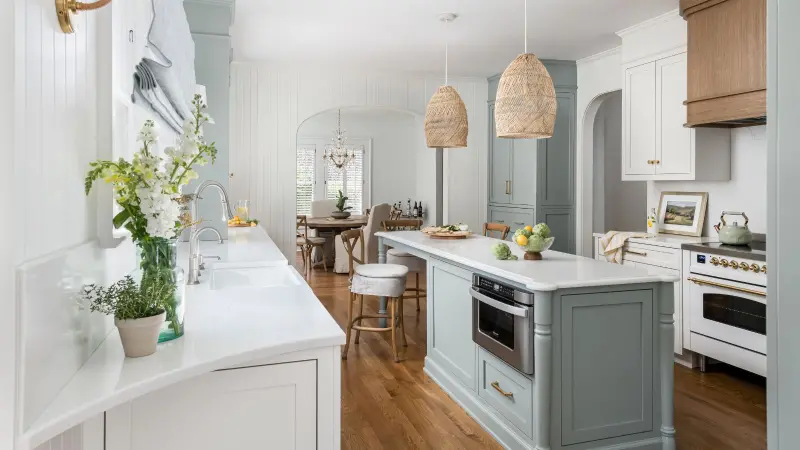
The Hidden Psychology Behind Your Kitchen Countertop Choices
Explore how the tactile feel, hue, and sustainability of countertops shape daily cooking experiences... Read More
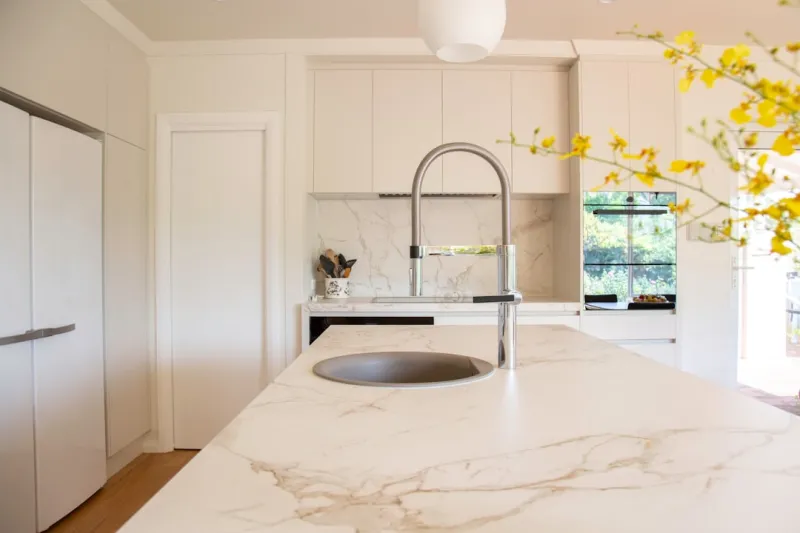
The Future of Countertops: Sustainable Materials and Designs
Explore the world of sustainable countertops and learn how to create a greener home with eco-friendl... Read More
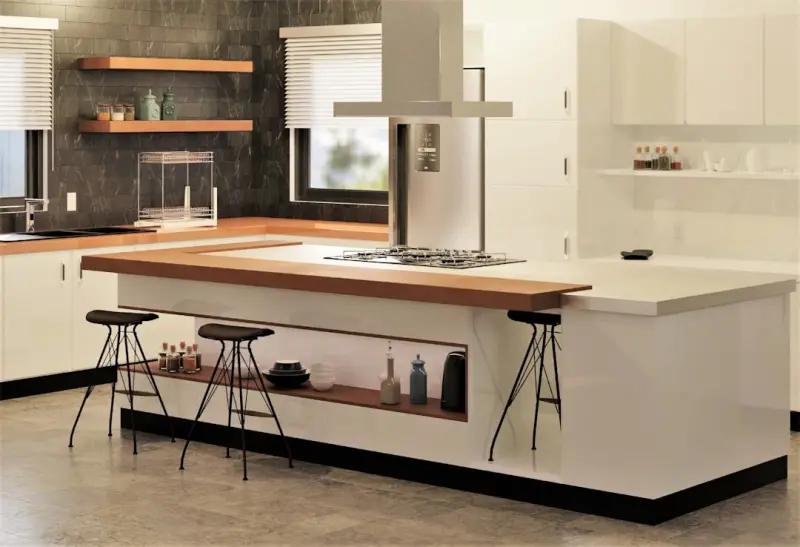
When Countertops Become Smart: Designing the Interactive Work Surface of Tomorrow
Countertops are evolving from passive slabs to interactive platforms that integrate sensors, wireles... Read More
Top Posts
Beyond the Leak: Redefining Waterproofing for Resilient Spaces
A fresh take on waterproofing reveals it as a dynamic, breathable system that enhances building resilience, occupant health, and sustainability, turning moistur...Read More

Data‑Infused, Eco‑First Furniture Restoration: A New Craft Paradigm
Discover a modern approach to restoring vintage furniture that blends eco‑friendly materials, scientific analysis, and digital planning, turning every project...Read More

Reviving Forgotten Furniture: A Hands‑On Guide
A hands‑on journey into furniture restoration, covering assessment, repair, finishing, and sustainable storytelling to bring forgotten pieces back to life....Read More

When Walls Whisper: Harnessing Acoustic Plaster for Healthier Spaces
Acoustic plaster blends timeless craftsmanship with modern sound‑absorbing technology, offering an elegant solution to noisy workspaces and homes while suppor...Read More
0 Comments
Post Comment
You will need to Login or Register to comment on this post!