
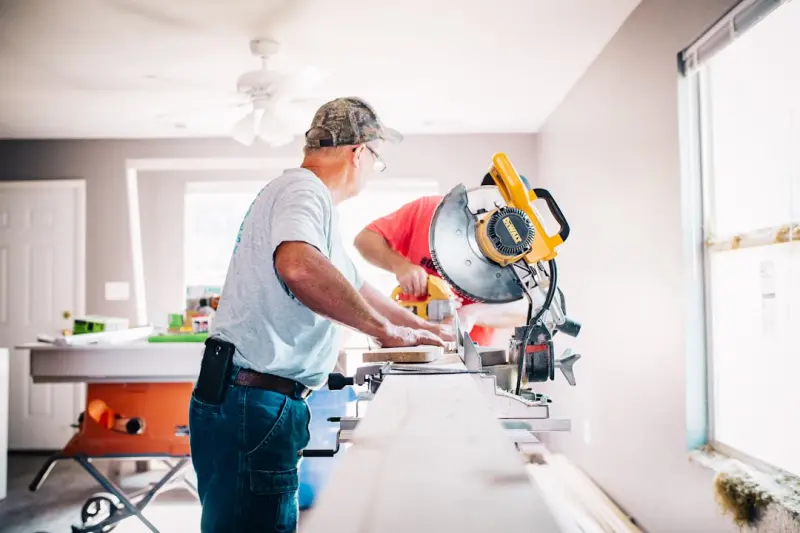
Why a Checklist Matters When You’re Renovating for Longevity
When I first decided to remodel my grandparents’ house so they could stay put, I quickly learned that good intentions aren’t enough. A sprawling to‑do list, scattered notes on napkins, and a vague “make it safer” mantra turned into a chaotic sprint that left everyone exhausted. The lesson? A well‑crafted checklist isn’t just a piece of paperwork—it’s the backbone of a renovation that respects comfort, budget, and the inevitable passage of time.
Step 1: Clarify Your Long‑Term Vision
Before you measure walls or order tiles, sit down with the people who will live in the space (including future selves). Ask these three questions:
- What daily activities need to stay effortless? Think cooking, bathing, and moving between rooms.
- Which areas are likely to change as mobility evolves? A bedroom on the main floor, a walk‑in shower, or a widened hallway.
- How much technology do you want to integrate now versus later?
Write down concise answers. This “vision statement” will be the compass that guides every subsequent decision, from floor height to lighting placement.
Step 2: Conduct a Safety & Accessibility Audit
Safety isn’t just about avoiding trips; it’s about creating an environment that feels secure at every age. Walk through each room and note the following:
- Flooring type – slip‑resistant surfaces are a must in bathrooms and kitchens.
- Thresholds – eliminate steps or install low‑profile ramps.
- Door widths – aim for at least 32 inches to accommodate walkers or wheelchairs.
- Grab bars – strategically placed in showers, beside toilets, and along staircases.
- Lighting – ensure switches are at elbow height and that night‑time illumination is sufficient.
Document these findings in a spreadsheet, tagging each item as “Must‑Do,” “Nice‑to‑Have,” or “Future‑Consideration.”
Step 3: Future‑Proof the Mechanical Systems
HVAC, plumbing, and electrical systems are the unseen heroes of a home’s longevity. When you’re planning upgrades, keep two principles in mind:
- Scalability. Choose a furnace or heat‑pump that can handle an extra bedroom or a future in‑home sauna without a full replacement.
- Ease of Access. Position shut‑off valves and circuit breakers at reachable heights for anyone with limited mobility.
Consider low‑maintenance options like Modular Radiant Floors, which can be installed under existing flooring and provide both comfort and energy savings.
Step 4: Choose Materials That Age Gracefully
Durability and aesthetics must coexist. Here’s how to strike that balance:
- Flooring. Porcelain tile or engineered hardwood with a high wear rating resists scratches and moisture.
- Countertops. Solid surface materials that can be sanded and resealed extend the life of kitchens and bathrooms.
- Cabinetry. Opt for soft‑close hinges and full‑extension drawers to reduce strain on hands.
- Wall finishes. Paints with antimicrobial properties can improve indoor air quality—a subtle yet meaningful upgrade.
Step 5: Integrate Technology Thoughtfully
Smart home tech can simplify daily routines, but overload can be overwhelming. Prioritize devices that enhance independence:
- Voice‑activated lighting and thermostat controls placed at accessible heights.
- Motion‑sensing nightlights that guide a path from bedroom to bathroom.
- Smart locks with keypad entry, eliminating the need for fiddly keys.
Make sure each device is compatible with a single ecosystem (e.g., Apple HomeKit, Google Home) to avoid a tangled web of apps.
Step 6: Budget, Timeline, and Contingency Planning
Even the most meticulously planned renovation can hit snags. A realistic budget includes:
- Base construction costs (materials, labor).
- Soft costs (permits, design fees, inspections).
- Contingency fund – typically 10–15 % of the total, reserved for unexpected discoveries like hidden wiring or structural issues.
- Living expenses – if you need temporary housing, factor that in now.
Draft a timeline that breaks the project into phases: demolition, rough‑in, finishes, and final inspection. Assign a buffer of at least one week per phase to accommodate delays.
Step 7: Navigate Permits Without Headaches
Permits are often the silent project killers. Start early, and treat the paperwork as a milestone, not an afterthought. Our internal guide Turning Construction Permits into Project Accelerators walks you through the exact documents you’ll need, how to schedule inspections, and tips for expediting approvals. Remember: a well‑prepped permit packet can shave weeks off your schedule.
Step 8: Decide Between DIY and Professional Help
There’s a fine line between empowering yourself and overextending. Ask yourself:
- Do I have the tools and certifications required for electrical or plumbing work?
- Can I guarantee consistent quality across all tasks?
- Will my timeline suffer if I tackle too many jobs myself?
If the answer to any of these is “no,” hire licensed tradespeople. It may cost more upfront but can prevent costly re‑work later.
Step 9: Conduct a Pre‑Finish Walkthrough
Before the final coat of paint or the last tile is set, walk the space with a fresh set of eyes (or a trusted friend). Verify that each checklist item is marked “complete.” Use this moment to test:
- Door swings and clearances.
- Grab bar stability.
- Smart device responsiveness.
- Lighting levels in various scenarios.
Document any minor tweaks needed and schedule them before the project officially closes.
Step 10: Create a Maintenance Playbook
Renovation isn’t a one‑time event; it’s the start of a new chapter. Compile a simple maintenance guide that includes:
- Monthly checks for filter replacements (HVAC, water filtration).
- Quarterly inspections of safety hardware (grab bars, railings).
- Annual servicing schedules for major appliances and smart systems.
- Contact information for contractors who performed the work.
This playbook not only protects your investment but also gives peace of mind to everyone living in the home.
Bonus: Sustainability Checks You Might Overlook
Even when aging‑in‑place is the primary goal, sustainability can be woven in without extra fuss:
- Install low‑flow fixtures that reduce water use without compromising pressure.
- Choose recycled‑content insulation to improve thermal performance.
- Add a small solar array or solar‑powered exterior lighting to offset energy costs.
These tweaks pay dividends over time and align the home with broader environmental values.
Putting It All Together – The Master Checklist
Below is a printable version of the checklist you can adapt to your own project. Feel free to copy, paste, and tick off each box as you progress.
[ ] Vision Statement Drafted
[ ] Safety & Accessibility Audit Completed
[ ] Mechanical Systems Reviewed (HVAC, Plumbing, Electrical)
[ ] Material Palette Selected (Floor, Countertop, Cabinetry, Paint)
[ ] Smart Home Devices Identified
[ ] Budget Spreadsheet Populated (including 10‑15% contingency)
[ ] Timeline with Phase Buffers Created
[ ] Permit Application Submitted (see Turning Construction Permits into Project Accelerators)
[ ] Contractor(s) Hired / DIY Plan Finalized
[ ] Demolition Schedule Set
[ ] Rough‑In Inspections Completed
[ ] Radiant Floor System Installed (see Modular Radiant Floors guide)
[ ] Finish Work Executed (Tile, Paint, Trim)
[ ] Smart System Installation & Testing
[ ] Final Walkthrough & Punch List Completed
[ ] Maintenance Playbook Compiled
[ ] Sustainability Add‑Ons Implemented
Print this list, hang it on your fridge, and watch your renovation transform from a daunting maze into a clear, confidence‑building journey.
Final Thoughts
Renovating for aging in place isn’t about compromising style for function; it’s about marrying the two so seamlessly that the home feels both timeless and tailored to evolving needs. A detailed checklist empowers you to stay organized, keep budgets in check, and—most importantly—ensure that the space you create remains a sanctuary for every chapter of life.

When it comes to the world of blogging and writing, Rose DesRochers is a name that stands out. Her passion for creating quality content and connecting with her audience has made her a trusted voice in the industry. Aside from her skills as a writer and blogger, Rose is also known for her compassionate nature.
Related Posts
Renovation Checklist: A Blueprint for Stress‑Free Transformations
A practical, stress‑free renovation checklist that guides homeowners through planning, budgeting, ... Read More
Renovation Checklist: Future‑Ready Flex Spaces and Tech‑Savvy Upgrades
A detailed, step‑by‑step renovation checklist helps homeowners create adaptable, tech‑enabled ... Read More

Renovation Checklist: A Seven‑Stage Playbook for Adaptive‑Reuse Success
Discover a detailed seven‑stage renovation checklist designed for adaptive‑reuse projects, cover... Read More
Top Posts
Sustainable Bathroom Renovations: A Greener Approach
Sustainable bathroom renovations are an excellent way to reduce your carbon footprint and create a healthier living space. Learn how to create a greener bathroo...Read More

Silent Sentinels: Redefining Home Security with Low‑Profile Alarm Systems
Explore the rise of silent home alarms—discreet, design‑friendly, and tech‑savvy solutions that keep homes safe without shouting for attention. From hidde...Read More

The Intelligent Alarm System: Turning Reactive Alerts into Proactive Business Security
A deep dive into the evolution of alarm systems, showing how AI, IoT integration, and community networks transform traditional alerts into proactive, privacy‑...Read More
The Evolution of Insulation: How Modern Materials Are Changing the Game
Insulation has come a long way in recent years, with modern materials and technologies offering superior performance and sustainability. Learn about the evoluti...Read More
0 Comments
Post Comment
You will need to Login or Register to comment on this post!