

Why Foundations Deserve a Standing Ovation (Even If Nobody Sees Them)
When I first stepped onto a construction site, my eyes were drawn to the towering cranes, the gleaming steel beams, and the bustling crews. The foundation—those massive concrete pads, piles, and footings hidden beneath the earth—was easy to overlook. Yet, as someone who has spent years troubleshooting “mystery cracks” and “unexpected settlement,” I can tell you that the foundation is the most honest part of a building. It doesn’t try to be glamorous; it just does the hard work of keeping everything else upright.
In today’s fast‑paced construction ecosystem, we’ve become experts at making the visible parts of a project look spectacular. But the foundation remains the silent, often under‑engineered, backbone. This piece dives deep into the emerging trends that are finally giving foundations the respect—and the technology—they deserve.
The Unseen Forces That Test a Foundation Every Day
Before we talk tech, let’s get back to basics. A foundation faces three relentless adversaries:
- Moisture. Water seeps, freezes, expands, and can lift or crack concrete if drainage is inadequate.
- Soil movement. Expansive clays swell, silts settle, and nearby vibrations (think subway tunnels) can shift loads.
- Temperature swings. Concrete contracts in the cold and expands in heat, creating micro‑cracks that grow over time.
When any of these forces go unchecked, you’ll see symptoms later: uneven floors, doorframes that stick, or worse, structural failure. The traditional approach—“design big, hope for the best”—just isn’t enough anymore.
Enter the Era of Foundation Health Monitoring
Think of a foundation like a patient. In the past, we only got a diagnosis after the symptoms appeared. Today, AI‑Powered Command Centers are giving us the ability to monitor a foundation’s vitals in real time.
Here’s how it works:
- Embedded Sensors. Tiny, rugged strain gauges, humidity probes, and temperature nodes are placed within concrete pours or attached to piles.
- Wireless Gateways. Data travels via LoRaWAN or 5G to a central hub, where it’s aggregated and cleaned.
- Analytics Engine. Machine‑learning models compare live readings against baseline simulations, flagging anomalies before they become visible defects.
Imagine receiving a push notification the moment a moisture sensor detects a leak in the footing drainage system. Your crew can address the issue within hours, not months, saving thousands in rework.
Practical Steps Contractors Can Take Right Now
While the high‑tech future is exciting, there are low‑cost actions you can implement today to boost foundation performance:
- Comprehensive Soil Profiling. Engage a geotechnical engineer early. A simple borehole test reveals moisture content, bearing capacity, and potential for swelling soils.
- Dedicated Drainage Layers. Install perforated drain pipes (French drains) beneath footings, wrapped in geotextile fabric to keep sediment out.
- Vapor Barriers & Insulation. A 6‑mil polyethylene sheet under slabs prevents ground moisture from migrating upward, while rigid insulation reduces thermal shock.
- Controlled Curing. Use curing compounds or wet blankets to maintain a steady temperature and humidity level during the first 7 days of concrete strength gain.
These steps might look “old school,” but when paired with modern monitoring, they become a powerful hybrid strategy.
Low‑Carbon Concrete: Building Foundations Without the Guilt
One of the biggest hidden costs of a foundation is its carbon footprint. Conventional Portland cement accounts for roughly 8% of global CO₂ emissions. Fortunately, the industry is turning to alternatives that keep the structural integrity intact while slashing emissions.
Geopolymer concrete swaps cement for aluminosilicate waste materials (like fly ash) activated with alkaline solutions. The result is a material that can achieve comparable compressive strength with up to 70% lower embodied carbon. Another option is magnesium oxychloride—a rapid‑setting binder that hardens at lower temperatures, reducing kiln energy use.
When you combine these mixes with digital permits that automatically verify mix designs against local codes, you streamline approvals and eliminate the guesswork that often stalls low‑carbon projects.
Ground‑Source Heat Pumps: Turning the Foundation Into a Renewable Energy Hub
What if the very slab that holds up a building could also help heat and cool it? Ground‑source heat pumps (GSHPs) pull energy from the earth via a network of loops embedded in the foundation or surrounding trench. Because the ground temperature remains relatively constant year‑round, GSHPs achieve 3‑4 times the efficiency of conventional HVAC systems.
Key integration points:
- Slab‑Embedded Loop Systems. Copper or polymer pipes are laid in the concrete before the pour, creating a seamless thermal exchange surface.
- Pre‑Cast Pile‑Integrated Loops. For deep foundations, loops can be encased within concrete piles, making them part of the structural element.
- Smart Controls. Pair the loops with a building‑management system that learns occupancy patterns and adjusts flow rates automatically.
Beyond energy savings, GSHPs reduce the load on rooftop units, freeing roof real estate for solar panels or green roofs—another win for sustainability.
Case Study: A Mid‑Rise Office That Got Its Foundation Right
Last spring, a client in the Pacific Northwest approached us with a tricky site—high water table, expansive clay, and a tight schedule. Here’s how we turned the foundation into a competitive advantage:
- Pre‑Construction Modeling. We fed geotechnical data into a BIM model, simulating settlement under various load cases.
- Modular Pile‑Caps. Using modular construction principles, we prefabricated pile‑cap panels with embedded fiber‑optic strain sensors.
- Real‑Time Monitoring. Sensors transmitted data to an AI‑powered dashboard. When a moisture spike was detected after a heavy rain, the system recommended a temporary pump activation—preventing water from compromising the footings.
- Low‑Carbon Mix. The concrete mix incorporated 35% fly ash, cutting cement use and meeting the city’s carbon‑reduction ordinance.
- Ground‑Source Integration. A slab‑embedded loop network fed a GSHP system, delivering 45% lower heating energy during the first winter.
The result? The project finished two weeks ahead of schedule, stayed under budget, and earned a “Zero‑Carbon Foundation” award from the local building council. More importantly, the building owner reported a 30% reduction in annual HVAC operating costs.
The Business Payoff: From Warranty Claims to Brand Loyalty
Investing in a smarter foundation isn’t just an engineering win; it’s a bottom‑line win:
- Reduced Rework. Early detection of moisture intrusion or settlement cuts costly remediation by up to 70%.
- Lower Warranty Costs. With continuous monitoring, you can prove that any post‑occupancy issue was not due to foundation failure, protecting your warranty exposure.
- Competitive Differentiation. Clients now ask for “smart foundations” just as they do for “smart homes.” Offering a data‑driven foundation service positions your firm as an industry leader.
- Regulatory Edge. Many municipalities are tightening requirements around energy efficiency and carbon reporting. A low‑carbon, sensor‑enabled foundation helps you meet—or exceed—those standards.
Future‑Proofing Your Projects, One Footing at a Time
We stand at a crossroads where the age‑old practice of “dig, pour, and hope” meets a new paradigm of data, sustainability, and resilience. By embracing sensor technology, low‑carbon concrete, and renewable energy integration, you give every structure a foundation that’s not just strong, but intelligent.
If you’re curious about how a digital permit workflow can accelerate approval of these innovative mixes, check out Unlocking Speed: How Digital Permits Transform Construction Projects. And for a deeper dive into the AI platforms that turn raw sensor data into actionable insights, explore AI‑Powered Command Centers.
Remember: a solid foundation is more than concrete and steel; it’s a living system that, when monitored and nurtured, can keep your building thriving for decades. Treat it as the star of the show, and watch the rest of the project follow suit.

When it comes to the world of blogging and writing, Rose DesRochers is a name that stands out. Her passion for creating quality content and connecting with her audience has made her a trusted voice in the industry. Aside from her skills as a writer and blogger, Rose is also known for her compassionate nature.
Related Posts
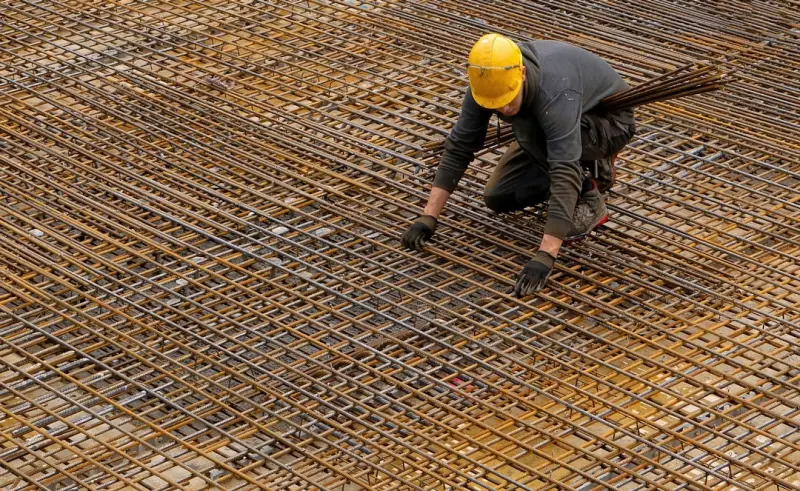
Rethinking Building Foundations: A Personal Blueprint for Resilient Structures
A seasoned builder shares a data‑centric, sustainable strategy for foundations—covering soil tes... Read More

Crafting the Perfect Foundation: My Journey as a Construction Expert
A strong foundation is the backbone of any successful build. Learn from a seasoned construction expe... Read More
Foundations Reimagined: Data, Sustainability, and Resilience Underfoot
Discover why foundations are becoming the new smart platform in construction, from real‑time monit... Read More
Top Posts

The Intersection of Lawn Care and Sustainable Home Design
As a homeowner, maintaining a lush and vibrant lawn can be a point of pride. However, traditional lawn care practices can have a significant impact on the envir...Read More

Awning Innovation: Smart Shade Solutions for Modern Living
Explore the evolution of awnings from simple shade to AI‑driven, solar‑powered extensions that enhance comfort, cut energy costs, and blend seamlessly with ...Read More

Microclimate Mastery: Designing Gardens That Thrive in Every Season
Discover the step‑by‑step process for turning any yard into a series of tailored microclimates, enabling resilient planting, smarter watering, and comfortab...Read More
Designing a Kitchen That Grows With Your Life
Learn to design a kitchen that evolves with your family, blending adaptive zones, smart storage, and sustainable tech for lasting functionality and style....Read More
0 Comments
Post Comment
You will need to Login or Register to comment on this post!