

Why Indoor Air Quality Should Be the First Blueprint Line
When I first walked onto a construction site fresh out of college, my mind was consumed by the drama of steel beams, the poetry of concrete pours, and the endless race against the schedule. Over the past decade, I’ve learned that the most compelling story a home can tell isn’t written in the façade or the floor plan—it’s whispered in the breath of its occupants. Indoor air quality (IAQ) is no longer a nice‑to‑have afterthought; it’s a foundational performance metric that rivals structural integrity.
The Silent Threat Lurking Behind Walls
Most homeowners assume that once a house is sealed, the air inside is automatically clean. In reality, modern construction practices—tight building envelopes, synthetic finishes, and high‑efficiency HVAC systems—can trap pollutants, moisture, and allergens inside. The result? A micro‑environment that can exacerbate asthma, trigger headaches, and even influence long‑term cognitive function.
What makes IAQ a construction challenge is that the sources are woven into every material decision:
- Off‑gassing from adhesives, paints, and composite panels. Low‑VOC products exist, but they’re often priced higher, and the market still lags in consistent labeling.
- Moisture migration. Poorly detailed flashings or undersized vapor barriers create condensation pockets that become breeding grounds for mold.
- Particulate ingress. Even a well‑sealed envelope can allow fine dust and pollen in through ventilation ducts that aren’t properly filtered.
Re‑thinking the Building Envelope for Breathability
Historically, the envelope was engineered to be as airtight as possible to improve energy efficiency. The paradox is that a perfectly sealed box becomes a pressure cooker for contaminants. The solution lies in a balanced approach—tight enough to control heat loss, but flexible enough to allow controlled, filtered ventilation.
Here’s a three‑step framework I’ve adopted on recent projects:
- Layered Vapor Management. Instead of a single, monolithic vapor barrier, I specify a semi‑permeable membrane paired with strategically placed interior vapor retarders. This design lets moisture escape without compromising the thermal envelope.
- Smart Exhaust Integration. Modern exhaust fans now come with demand‑controlled ventilation (DCV) that adjusts airflow based on CO₂ levels and humidity. Pairing these with high‑efficiency MERV‑13 filters creates a continuous “air‑cleaning” loop.
- Material Transparency. I push suppliers for full disclosure of VOC emissions and prioritize products that carry third‑party certifications such as GREENGUARD Gold or the Health Product Declaration (HPD).
From Concept to Construction: The Role of the Permit Process
One of the hidden levers for elevating IAQ is the permitting stage. In many jurisdictions, the permit review is a gatekeeper for ventilation and moisture control provisions. By treating permits as an opportunity rather than an obstacle, you can embed IAQ criteria directly into the contract documents.
Take a cue from the permit power mindset: turn compliance into momentum. A well‑crafted IAQ clause—detailing minimum filtration standards, mandatory post‑occupancy IAQ testing, and clear warranty language—can accelerate approvals because it demonstrates a proactive health‑first approach.
Design‑Build Meets the Circular Economy: A Path to Cleaner Air
When you marry a design‑build delivery model with a circular‑economy philosophy, you create a feedback loop that inherently improves IAQ. Re‑using reclaimed wood, salvaged brick, or repurposed steel reduces the need for new manufacturing, which in turn lowers the volume of volatile chemicals released into the environment.
Integrating these principles doesn’t mean you sacrifice modern aesthetics. In fact, the juxtaposition of reclaimed timbers with sleek, low‑VOC finishes can become a signature design language. For a deeper dive on how to make this synergy work, see the circular economy approach that many forward‑thinking firms are already adopting.
Smart Sensors: The New IAQ Guardians
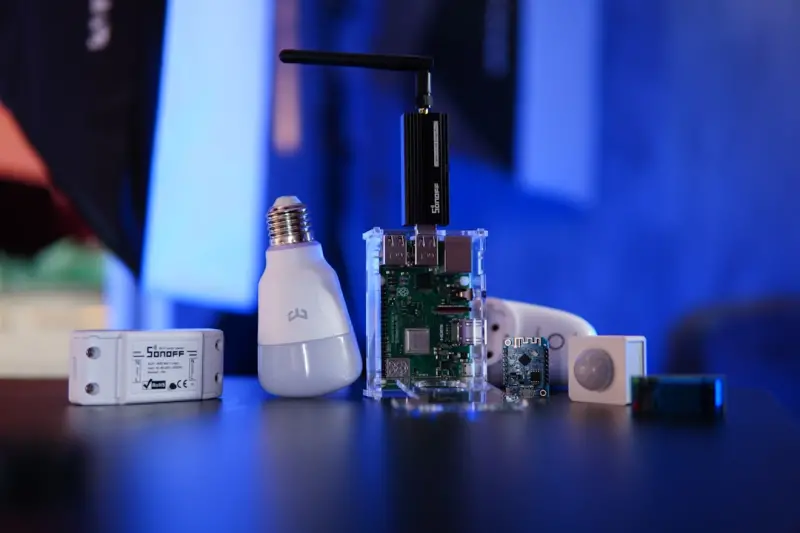
IoT devices have migrated from novelty gadgets to essential building components. Today’s IAQ sensor arrays can monitor:
- Particulate matter (PM2.5 and PM10)
- Carbon dioxide (CO₂) and carbon monoxide (CO)
- Relative humidity and temperature
- Formaldehyde and total VOC levels
When linked to the home’s HVAC system, these sensors trigger real‑time adjustments—ramping up fresh air intake, increasing filtration speed, or even sending alerts to occupants’ smartphones. The key is to embed the sensor network during rough‑in, not as an afterthought.
Design Strategies That Put Breath First
Below are my go‑to design tactics that make IAQ a natural outcome of the building’s architecture:
- Sun‑lit Atriums. By positioning an atrium or clerestory at the core of the floor plan, you invite natural convection currents that flush stale air without relying solely on mechanical systems.
- Operable Windows with Integrated Screens. Modern low‑profile operables allow occupants to manually introduce fresh air when outdoor conditions are favorable, and the screens filter out pollen and insects.
- Biophilic Materials. Living walls, interior planters, and wood finishes not only boost morale but also act as natural air purifiers, absorbing VOCs and regulating humidity.
- Dedicated Utility Chases for Air Ducts. Keeping ducts separate from electrical and plumbing runs minimizes cross‑contamination and simplifies future upgrades.
Post‑Occupancy Testing: Proving the Concept
Even the most meticulously designed home can fall short if construction errors slip through. A rigorous post‑occupancy IAQ testing protocol provides the data needed to verify that the design intent was realized. I recommend a two‑phase approach:
- Baseline Test (Day 0–7). Conduct a full suite of IAQ measurements after the first week of occupancy to capture initial pollutant loads from off‑gassing.
- Stabilization Test (Month 3–6). Re‑measure after the house has “settled” to ensure that pollutant concentrations have dropped to acceptable levels.
Documenting these results not only protects the homeowner but also creates a valuable knowledge base for future projects.
Economic Benefits: Why IAQ Pays Dividends
Beyond the obvious health advantages, superior IAQ translates into tangible financial returns:
- Reduced Energy Consumption. Controlled ventilation with heat recovery can cut HVAC loads by up to 30%.
- Higher Property Valuation. Buyers are increasingly willing to pay a premium for homes that come with certified IAQ performance.
- Lower Maintenance Costs. Proper moisture management reduces the risk of mold remediation, which can be a costly surprise down the line.
- Insurance Incentives. Some insurers offer discounts for homes that meet stringent IAQ standards, recognizing the reduced liability.
Integrating IAQ Into the Project Timeline
To embed IAQ without derailing the schedule, I follow a phased integration plan:
- Pre‑Design Workshops. Gather the owner, architect, HVAC engineer, and material supplier to align on IAQ goals.
- Schematic Design Review. Insert IAQ performance criteria into the specification matrix, ensuring every trade sign‑off includes a compliance check.
- Construction Documentation. Detail ventilation pathways, sensor locations, and material certifications in the drawings.
- Installation Audits. Perform on‑site inspections during rough‑in to verify that ducts are sealed, sensors are correctly placed, and vapor barriers are continuous.
- Commissioning & Handover. Conduct IAQ testing, calibrate sensors, and hand over a maintenance manual that includes filter replacement schedules and sensor diagnostics.
Case Study: A Mid‑Size Family Home That Breathes
Last year I led the construction of a 2,800‑sq‑ft single‑family home in the Pacific Northwest. The brief was clear: deliver a net‑zero energy house with top‑tier IAQ. Here’s what we did:
- Used reclaimed Douglas fir for interior framing and exposed ceilings, reducing new wood demand and providing a low‑VOC finish.
- Installed a heat‑recovery ventilator (HRV) with MERV‑13 filters, connected to a network of IAQ sensors in the living room, master bedroom, and kitchen.
- Integrated a rainwater harvesting system that fed a gray‑water loop for the bathroom fixtures, minimizing humidity spikes.
- Implemented a staggered sealant schedule to allow any residual off‑gassing to dissipate before final interior finishes were installed.
Post‑occupancy testing showed CO₂ levels consistently below 600 ppm, PM2.5 under 5 µg/m³, and VOCs well under the EPA’s recommended limits. The homeowner reported fewer allergy flare‑ups and a noticeable improvement in sleep quality.
Future Trends: Where IAQ Is Heading
Looking ahead, three innovations will shape the IAQ landscape:
- AI‑Driven Ventilation Controls. Machine‑learning algorithms will predict occupancy patterns and pre‑emptively adjust fresh‑air intake, optimizing both health and energy use.
- Carbon‑Negative Materials. Emerging bio‑based composites that sequester carbon while emitting zero VOCs will become mainstream, turning the building envelope into an active air‑cleaning layer.
- Regenerative Interior Ecosystems. Interior gardens equipped with sensor‑guided irrigation will act as living filters, continuously scrubbing pollutants and balancing humidity.
These trends reinforce a simple truth: the home of the future will be a living, breathing system—not just a static shelter.
Actionable Checklist for Builders
Before you close out your next project, run through this quick IAQ checklist:
- ✅ Verify all interior finishes have documented VOC emissions.
- ✅ Confirm HRV/ERV units are sized to meet ASHRAE 62.2 ventilation rates.
- ✅ Install IAQ sensors in high‑traffic zones and integrate with building automation.
- ✅ Conduct a moisture audit during the rough‑in stage.
- ✅ Schedule post‑occupancy IAQ testing and provide a clear report to the homeowner.
By treating IAQ as a core performance metric, you’ll not only deliver healthier homes but also differentiate your brand in a crowded market.

David MacKinnon is a dynamic freelance writer known for his captivating storytelling and keen insights into the world of technology. With a passion for exploring the intersection of innovation and everyday life, he crafts engaging narratives that not only inform but also inspire his readers.
Related Posts

Bringing the Outdoors In: Biophilic Home Construction for Modern Living
This article dives into biophilic home construction, outlining scientific benefits, core design pill... Read More

Quiet Comfort: Designing Homes That Listen to Your Lifestyle
A deep dive into acoustic‑friendly home construction, covering mass, isolation, and absorption tec... Read More

Modular Home Construction: The Quiet Revolution Redefining Speed and Quality
Modular construction is reshaping residential building by delivering custom, high‑quality homes fa... Read More
Top Posts
Foundation Futures: Embedded Sensors and Sustainable Design
A deep dive into how modern foundations are becoming data‑rich, energy‑active systems through sensors, low‑carbon concrete, and renewable integration, off...Read More

The Evolution of Sustainable Fencing: A Comprehensive Guide
Learn about the evolution of sustainable fencing and how to make eco-friendly choices for your home. Discover materials, installation techniques, and design con...Read More

Beyond Shade: Turning Awnings into Outdoor Living Art
Learn to treat awnings as architectural statements—combining shade, style, and sustainability for an outdoor space that works and wow‑s....Read More

Eco‑First Carpet Care: Turning Floor Coverings into Sustainable Assets
An in‑depth guide shows how green technologies like dry‑foam extraction and enzyme cleaners, combined with AI scheduling, can turn carpet maintenance into a...Read More
0 Comments
Post Comment
You will need to Login or Register to comment on this post!