

Why Cheap Bathtub Refinishing Isn’t the Green Solution You Think It Is
When I first stumbled upon a “$99 bathtub makeover” ad on my feed, I felt a familiar tug of excitement. A fresh, glossy surface for a fraction of the cost? Sign me up. But after a handful of projects and a deep dive into the chemistry behind the coatings, I realized that the lowest price tag often hides a hefty environmental footprint. In this post, I’ll walk you through the hidden costs of budget‑friendly refinishing, spotlight the rise of low‑VOC, eco‑conscious alternatives, and share how you can make a smarter, greener choice without sacrificing style.
The True Price of “Low‑Cost” Coatings
The market for bathtub refinishing has exploded thanks to aggressive online marketing and “quick‑fix” promises. Most low‑price options rely on solvent‑based acrylics or epoxy blends that contain high levels of volatile organic compounds (VOCs). These chemicals evaporate into the air during application and curing, contributing to indoor air pollution and, in the long run, to broader climate concerns. While the immediate visual payoff is undeniable, the hidden health risks—headaches, respiratory irritation, and even long‑term effects—are often glossed over in the sales pitch.
VOCs and Indoor Air Quality: A Closer Look
According to the EPA, VOCs are a major source of indoor air contamination. In a confined bathroom space, where ventilation is limited, the concentration of these compounds can spike dramatically during the refinishing process. Even after the coating hardens, residual off‑gassing can linger for weeks. For households with children, seniors, or anyone with asthma, this exposure isn’t just an inconvenience; it can be a genuine health hazard.
Durability Myths: When “Cheap” Becomes Costly
Another common misconception is that a low‑cost finish will last just as long as a premium product. In reality, budget coatings often have thinner protective layers and less robust binders. This translates to faster chipping, discoloration, and the need for re‑application within a few years. The hidden cost, then, becomes the cumulative expense of repeated refinishing—both financially and environmentally, as each new coat adds more chemicals into the waste stream.
Enter Low‑VOC, Water‑Based Refinishing Solutions
The industry has responded to consumer demand for healthier options with water‑based, low‑VOC formulations. These modern coatings use advanced polymer science to achieve the same shine and durability while drastically reducing harmful emissions. Many manufacturers now proudly display VOC content numbers, allowing homeowners to compare products transparently. Choosing a low‑VOC option not only protects your family’s health but also aligns with broader sustainability goals.
How to Verify a “Green” Product
When evaluating a refinishing product, look for third‑party certifications such as GreenGuard or EPA’s Safer Choice. These labels indicate that the product has undergone rigorous testing for emissions, toxicity, and environmental impact. Additionally, request a Material Safety Data Sheet (MSDS) from the contractor; it should detail the exact chemical composition, allowing you to verify the VOC levels yourself.
Why Professional Installers Matter
Even the best low‑VOC coating can underperform if applied incorrectly. Proper surface preparation—removing old finish, repairing chips, and ensuring a clean, dry substrate—is critical. Professional refinishing crews have the tools, training, and experience to execute these steps flawlessly. Moreover, they often use containment systems and ventilation equipment that dramatically reduce airborne contaminants during the job.
Integrating Refinishing with a Holistic Home Restoration Plan
Bathtub refinishing shouldn’t be an isolated project. It’s an excellent opportunity to think bigger about the bathroom’s overall health and performance. For instance, pairing a new low‑VOC finish with upgraded caulking and sealants can improve water resistance and prevent mold growth. In a recent sustainable restoration guide, we explored how coordinated upgrades across a home can amplify energy savings and durability—your bathroom is no different.
The Role of Waterproofing Subscriptions in Long‑Term Maintenance
One emerging trend in home maintenance is the subscription‑based model for services like waterproofing. By enrolling in a regular inspection and seal‑up schedule, homeowners can catch early signs of moisture intrusion before they damage the refinished surface. This proactive approach not only extends the life of your bathtub finish but also dovetails nicely with eco‑friendly goals. Learn more about this innovative model in our waterproofing subscription article.
Smart Home Sensors: Monitoring Moisture and Air Quality
Modern smart homes are equipped with sensors that can track humidity levels, temperature fluctuations, and even VOC concentrations. By integrating these tools, you can receive real‑time alerts when your bathroom environment deviates from optimal conditions. For example, a spike in humidity might indicate a failing seal, prompting a quick fix before the refinished surface suffers. This tech‑driven vigilance mirrors the insights from smart climate control systems that optimize comfort while reducing waste.
Financial Incentives and Rebates for Eco‑Friendly Renovations
Many local utilities and municipalities offer rebates for using low‑VOC, water‑based coatings as part of broader energy‑efficiency upgrades. Check with your city’s building department or energy provider to see if you qualify for incentives that can offset the higher upfront cost of green refinishing. Remember, investing a bit more now often pays off in both health benefits and long‑term savings.
DIY vs. Professional: Making the Right Choice
If you’re a seasoned DIY enthusiast, you might be tempted to tackle refinishing yourself to save money. While there are kits on the market, they rarely match the performance of professional-grade materials and equipment. Moreover, DIY projects often lack proper ventilation, leading to higher personal exposure. Weigh the potential cost savings against the risks: a subpar finish can lead to costly re‑work, and health impacts can’t be quantified on a spreadsheet.
Takeaway: Choose Wisely, Refine Responsibly
Bathtub refinishing is a fantastic way to refresh a bathroom without the mess and expense of a full replacement. However, the cheapest options can undermine your health, the environment, and your wallet in the long run. By opting for low‑VOC, water‑based coatings, partnering with certified professionals, and integrating smart monitoring and preventive waterproofing, you can achieve a stunning, durable finish that aligns with a sustainable lifestyle. The next time you see a “$99 makeover,” pause, research, and choose the path that truly adds value to your home—and the planet.

Kelly Reynolds is a dynamic freelance writer hailing from the picturesque landscapes of Alberta. A master of the written word, she juggles her passion for storytelling with the exhilarating chaos of being a mother to five spirited children. With an impressive portfolio that spans various genres, Kelly captivates readers through her engaging blog posts and thought-provoking articles.
Related Posts
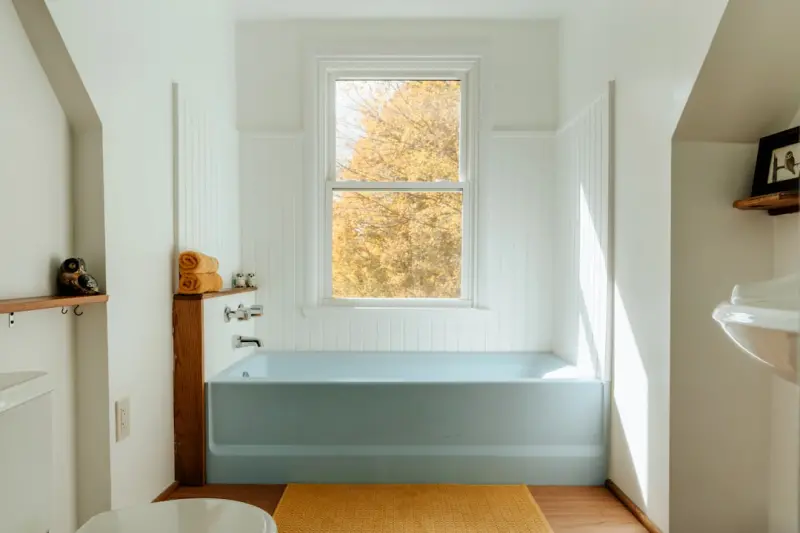
The Quiet Revolution: How Bathtub Refinishing Elevates Design, Health, and Value
Bathtub refinishing is more than a quick cosmetic fix; it’s a strategic upgrade that enhances aest... Read More
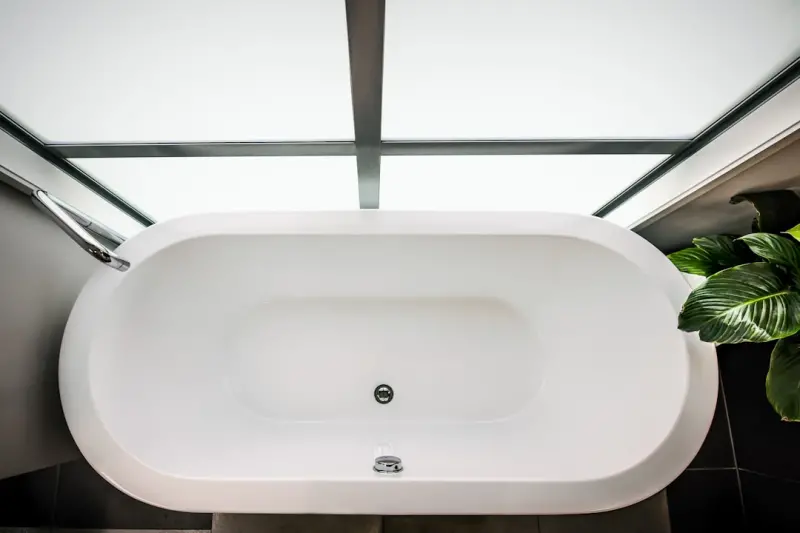
Bathtub Refinishing: The Smart, Sustainable Upgrade Every Property Manager Needs
Bathtub refinishing offers a cost‑effective, eco‑friendly alternative to full replacements, deli... Read More
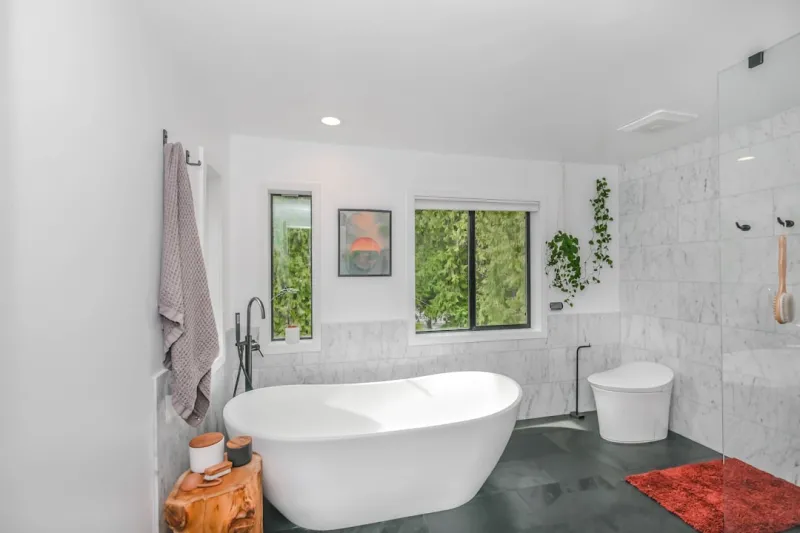
Revive Your Bathroom: The Insider’s Guide to Bathtub Refinishing
Learn why bathtub refinishing is the smart, eco‑friendly alternative to replacement, with a detail... Read More
Top Posts

Beyond the Plow: Building Sustainable Snow Removal Cultures
Snow removal is more than clearing pathways; it’s an opportunity to reduce emissions, protect ecosystems, and foster community collaboration. This article out...Read More
Mold Removal in the Age of Smart Buildings: Proactive, Sustainable Strategies
This article explores how integrating sensors, smart entryways, and zero‑waste remediation transforms mold removal from a costly emergency into a proactive, s...Read More
Why a Fresh Bathtub Finish Is the Secret Weapon for Modern Homeowners
A fresh bathtub finish offers a cost‑effective, eco‑friendly upgrade that elevates bathroom aesthetics, boosts home resale value, and creates a canvas for m...Read More

Flexible Wallpaper Solutions for Agile Workspaces
Flexible wallpaper offers removable, durable, and environmentally responsible wall panels that let businesses quickly update branding, display real‑time infor...Read More
0 Comments
Post Comment
You will need to Login or Register to comment on this post!