
Why Insulation Is Having a Come‑Back—and How to Ride the Wave
When I first got my hands on a roll of cellulose in the early 2000s, I thought I’d stumbled onto a novelty. Fast‑forward a few decades, and I’m now standing in a showroom where reclaimed denim, aerogel panels, and mushroom‑based mycelium bricks are being touted as the next big thing. The industry is undergoing a quiet revolution, and the folks who ignore it are about to feel the draft.
From “Stuff It In” to “Engineer It Out”
Traditional insulation was simple: slap a blanket of fiberglass behind the drywall, tape the seams, and call it a day. That mindset served us well when the primary goal was simply meeting code. Today, however, insulation is a systemic component of building performance. It interacts with air sealing, vapor control, thermal mass, and even the building’s digital twins.
In my latest projects, I start with a question that used to be optional: What does the building envelope actually need to achieve? The answer isn’t a single R‑value; it’s a blend of thermal resistance, moisture management, acoustic damping, and carbon footprint.
Recycled Materials: The Unsung Heroes
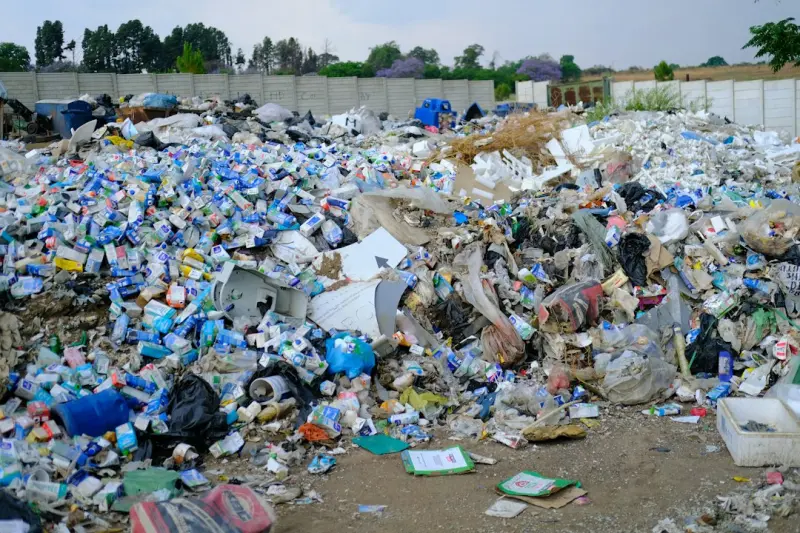
One of the most compelling trends is the rise of recycled insulation. Think about it: we’ve been tossing away tons of waste—plastic bottles, denim scraps, even agricultural by‑products. Those streams are now being transformed into high‑performance insulation that rivals, and sometimes surpasses, virgin materials.
- Cellulose: Made from shredded newspaper, treated with fire retardants, it offers an R‑value of roughly 3.5 per inch and a low embodied carbon score.
- Denim Batts: Recycled cotton fibers create a breathable, sound‑absorbing blanket that’s perfect for retrofit projects where indoor air quality is a priority.
- Recycled PET Foam: Post‑consumer plastic bottles are processed into rigid foam boards that provide excellent moisture resistance and can be cut to fit awkward spaces.
These materials don’t just check the “green” box; they also perform. Aerogel-infused panels, for instance, deliver R‑values upwards of 10 per inch while remaining lightweight enough to retrofit older walls without overloading the structure.
Air Sealing Before Insulation: A Paradigm Shift
It’s tempting to think “more insulation = better performance,” but that equation breaks down the moment you have uncontrolled air leakage. In a recent retrofit, we discovered that the building’s envelope was losing heat through gaps around window frames and service penetrations. By applying a rigorous air‑sealing regimen before installing any insulation, we cut the heating load by 30%—a figure that no amount of extra R‑value could have achieved on its own.
Modern tools like infrared cameras and blower doors have made this process more precise than ever. If you’re still relying on a visual inspection, you’re leaving performance on the table.
Thermal Imaging: The New “Wall Scan”
Thermal imaging has moved from novelty to necessity. A quick scan can reveal cold bridges, missing insulation, and even moisture pockets that would otherwise stay hidden for years. In one of my recent commercial projects, a thermal sweep highlighted a series of uninsulated steel studs that were acting as thermal shortcuts. After we wrapped those studs in low‑profile insulating sheathing, the building’s heating bill dropped dramatically.
When paired with the data from a blower‑door test, you can create a heat‑loss map that tells you exactly where to prioritize insulation upgrades. It’s the kind of insight that makes the difference between a “good” retrofit and a “great” one.
Integrating Insulation With the Building’s Digital Twin
Smart buildings are no longer just about sensors that turn lights on and off. They now include digital twins—virtual replicas that model energy flow, thermal performance, and occupant comfort in real time. By feeding insulation data into these models, you can simulate the impact of different material choices before a single square foot is installed.
This approach was instrumental during a recent office conversion where we evaluated three insulation scenarios: traditional fiberglass, recycled PET foam, and a hybrid of cellulose plus aerogel panels. The digital twin showed that the hybrid solution shaved an extra 12% off the projected heating demand, justifying its modest premium.
When Insulation Meets the Roof
It’s easy to think of insulation as a wall‑only concern, but the roof is where the biggest heat loss can occur, especially in colder climates. The AI‑Powered Roof Audits we recently conducted revealed that many of our clients’ roofs were missing a continuous layer of rigid insulation, creating thermal bridges at the roof‑wall junction.
By installing a continuous layer of spray‑foam or rigid board that extends over the decking, we eliminate those bridges and create a “thermal envelope” that works in concert with the walls. The result? A more stable indoor temperature, reduced HVAC cycling, and a longer lifespan for roof membranes.
Foundation Insulation: The Overlooked Frontier
While walls and roofs get the glory, the foundation is a silent heat sink. Poorly insulated basements can draw a significant amount of energy, especially when they’re unconditioned. The Foundation Fix Blueprint outlines a systematic approach: start with exterior waterproofing, then add rigid insulation boards on the outside of the footing before backfilling. Inside the basement, spray‑foam can seal gaps around utility penetrations.
In practice, I’ve seen retrofit projects where adding just an inch of rigid board on the exterior foundation saved homeowners up to $500 a year in heating costs. It’s a low‑hanging fruit that many overlook.
Acoustic Benefits: A Bonus You Can Hear
Insulation isn’t just about temperature; it’s also about sound. Recycled denim and cellulose excel at dampening airborne noise, making them ideal for multi‑family buildings or office spaces where privacy matters. In a recent mixed‑use development, we used a blend of cellulose in the walls and resilient channel with mineral wool on the ceilings. The result was a noticeable reduction in footfall noise from the street level to the upper residential units.
Carbon Footprint: From Point A to Point B
Choosing recycled insulation can dramatically lower the embodied carbon of a building. For example, a typical fiberglass batt has an embodied carbon of around 5 kg CO₂e per m², whereas cellulose can be as low as 1 kg CO₂e per m². When you multiply that by the square footage of a large commercial building, the savings become substantial.
Moreover, many manufacturers now offer third‑party certifications that track the lifecycle emissions of their products, allowing specifiers to make data‑driven decisions that align with corporate sustainability goals.
Future‑Proofing: Preparing for the Next Code Wave
Building codes are tightening globally, with higher R‑value requirements and stricter moisture control standards. By adopting recycled and high‑performance insulation now, you’re not just meeting today’s needs—you’re positioning the building to stay compliant for years to come.
One practical step is to install “over‑insulation” capacity. This means designing wall cavities that can accommodate an extra layer of insulation if future code upgrades demand it. It may add a few inches to the wall thickness, but the long‑term payoff in energy savings and compliance is worth it.
Bottom‑Line Checklist for the Modern Insulation Project
- Audit first: Use blower doors, thermal imaging, and digital twins to identify the biggest losses.
- Seal before you fill: Prioritize air sealing to maximize the effectiveness of any insulation.
- Choose recycled wisely: Match material properties (R‑value, moisture resistance, acoustic performance) to the building’s needs.
- Don’t forget the roof and foundation: Apply continuous insulation to eliminate thermal bridges.
- Plan for the future: Design assemblies that can accommodate higher R‑values without major demolition.
Wrapping It Up
The insulation landscape is no longer a static field of fiberglass batts. It’s a dynamic, material‑rich arena where waste streams become high‑performance products, where digital tools inform every decision, and where a holistic view of the building envelope pays dividends in energy savings, comfort, and sustainability. If you’re still treating insulation as an afterthought, you’re leaving money, comfort, and carbon on the table.
Embrace the insulation renaissance, and you’ll find that the path to a greener, quieter, and more resilient building is not just possible—it’s already being built, one recycled panel at a time.

Craig Brett is a freelancer with a passion for the outdoors. His love for nature inspires his work, bringing authentic and engaging perspectives to projects related to outdoor activities, adventure, and environmental topics.
Related Posts
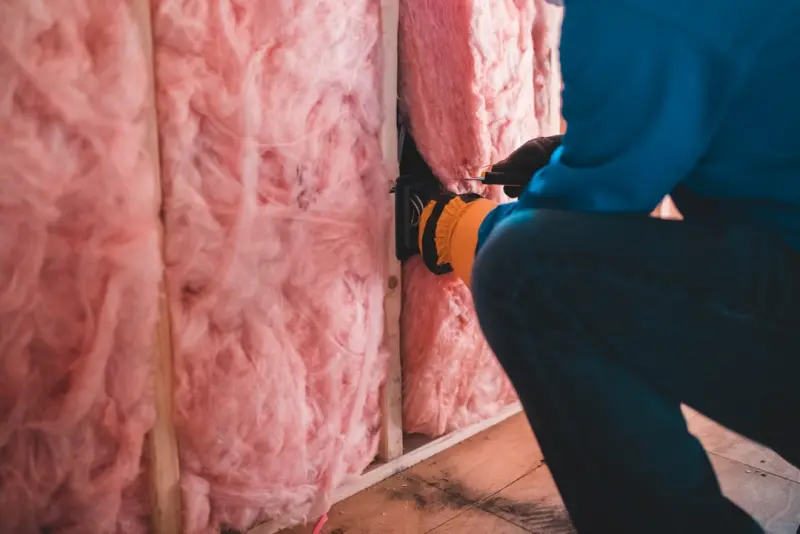
Insulation Reimagined: Turning Walls into Smart, Sustainable Energy Guardians
Insulation is evolving from a passive thermal barrier to an active, data‑rich, and sustainable bui... Read More

The Unseen Superpower of Insulation: Comfort, Health, and Carbon Savings
A deep dive into how the right insulation strategy can transform indoor comfort, improve indoor air ... Read More

Insulation Uncovered: A Homeowner’s Data‑Driven Path to Real Comfort
A homeowner’s step‑by‑step guide to auditing, selecting, and integrating insulation for real c... Read More
Top Posts

The Evolution of Sustainable Fencing: A Comprehensive Guide to Eco-Friendly Outdoor Spaces
Sustainable fencing is a critical aspect of eco-friendly outdoor design. Learn about the evolution of sustainable fencing, eco-friendly fencing materials, and d...Read More

Beyond the Checklist: How AI‑Powered Energy Inspections Are Redefining Facility Performance
Traditional energy inspections miss hidden waste. This post explains how AI‑driven sensors, digital twins, and automated workflows give facility managers real...Read More
Opening Opportunities: The Real ROI of a Modern Garage Door
A garage door isn’t just a cover for your car; it’s a pivotal element that impacts energy use, safety, curb appeal, and resale value. Learn how insulation, ...Read More
Smart Fences: Turning Perimeters Into Living, Learning, and Securing Platforms
Explore the evolution of fencing from a static barrier to a smart, living system that integrates IoT sensors, renewable energy, and edible landscaping, deliveri...Read More
0 Comments
Post Comment
You will need to Login or Register to comment on this post!