

When I first moved into my starter‑home, I was dazzled by the open‑plan layout—walls were few, rooms blended, and the whole place felt like one giant breathing space. It was lovely, until I tried to work from the kitchen, practice yoga in the living room, and help my kids with homework—all at the same time. The chaos taught me a simple truth: an open floor plan is a canvas, and without intentional “micro‑zones” it can quickly become a blur of competing demands. In this guide I’ll walk you through creating purposeful micro‑zones that nurture focus, relaxation, and family fun without sacrificing the airy feel you love.
Why Micro‑Zoning Beats Traditional Room‑Based Design
Traditional home design treats each wall as a definitive boundary—bedroom, office, dining room, and so forth. While that works for many, it can feel restrictive in today’s fluid lifestyle where work, wellness, and play often intersect. Micro‑zoning, on the other hand, uses visual cues, furniture arrangement, and subtle material changes to carve out distinct functional pockets within a larger space. The benefits are threefold:
- Psychological clarity: Your brain registers subtle shifts—different rug, lighting, or a change in ceiling height—as signals to switch modes.
- Spatial efficiency: You keep the open‑plan vibe while still enjoying dedicated areas for specific tasks.
- Adaptability: As your family’s needs evolve, you can re‑configure zones without tearing down walls.
Think of micro‑zoning as setting the stage for a series of short scenes, each with its own props and lighting, rather than a single, static backdrop.
Step 1: Map Your Daily Flow
Before moving furniture, take a notebook and sketch the natural rhythm of your day. Where do you grab breakfast? Where do you answer emails? Where does your child do schoolwork? Identify the “high‑energy” zones (cooking, brainstorming) and “low‑energy” zones (reading, winding down). This mapping exercise reveals where micro‑zones are most needed and helps you avoid placing a high‑focus area next to a high‑distraction zone.
For instance, I discovered that my morning coffee ritual took place at the kitchen island, while my mid‑day video calls happened on a small desk tucked beside the window. By visualizing these pathways, I could see that the kitchen island was a natural anchor for a “morning‑focus” micro‑zone, while the window nook could become a “quiet‑call” corner.
Step 2: Use Light as a Zoning Tool
Lighting is the most powerful, non‑structural way to differentiate zones. A bright, cool‑white pendant over the kitchen island says “work” while a warm, dimmable floor lamp in the reading corner whispers “relax.” Layered lighting—ambient, task, and accent—lets you tailor each micro‑zone without permanent changes.
Invest in smart bulbs that you can program via voice assistants or an app. Not only do they let you switch color temperatures instantly, but they also integrate with home security platforms like AI‑driven alarm systems, ensuring your “away” lighting mimics an occupied home.
Step 3: Define Zones with Soft Boundaries
Soft boundaries are the unsung heroes of micro‑zoning. Consider these options:
- Area rugs: A textured rug can anchor a reading nook or a play area.
- Room dividers: Foldable screens, open shelving, or even a tall bookshelf provide visual separation without cutting off airflow.
- Furniture placement: Position a sofa with its back to a workspace to create a natural barrier.
- Plants: A row of tall potted greens not only improves air quality but also acts as a living partition.
In my own home, a reclaimed wood console placed behind the dining table doubles as a buffer between the kitchen “cooking zone” and the living‑room “entertainment zone.” The visual cue is subtle yet effective.
Step 4: Leverage Acoustics for Focus and Calm
Sound travels differently in each part of a room, and uncontrolled noise can sabotage concentration. Add acoustic panels or heavy curtains to mute echoes in a home office micro‑zone. Conversely, a soft, resonant surface—like a plush rug or acoustic ceiling tiles—can make a meditation corner feel more enveloping.
Don’t overlook the power of white‑noise machines or smart speakers that blend soothing sounds with voice‑activated control. When you pair them with a weather‑proofing strategy, you also protect your acoustic treatments from humidity damage, extending their lifespan.
Step 5: Incorporate Smart Home Features That Respect Zones
Smart home tech can reinforce micro‑zones without adding visual clutter. Use motion‑activated lighting to illuminate a hallway only when you step into the “transition zone” between work and relaxation. Program thermostats to maintain a slightly cooler temperature in a workout corner, while keeping the rest of the house cozy.
For security‑focused zones—like a home office with valuable equipment—consider integrating AI‑driven alarm sensors that differentiate between everyday motion and suspicious activity. This adds an extra layer of peace of mind without the intrusive feel of traditional alarms.
Step 6: Choose Materials That Reinforce Function
Every zone benefits from materials that echo its purpose:
- Work zones: Durable, low‑maintenance surfaces like quartz countertops and metal chairs that can withstand daily use.
- Relaxation zones: Soft fabrics, plush throws, and natural wood that invite lingering.
- Play zones: Easy‑clean vinyl flooring and rounded furniture edges for safety.
By aligning material choice with activity, you create an intuitive experience that guides family members naturally from one zone to the next.
Step 7: Test, Tweak, and Evolve
Micro‑zoning isn’t a set‑it‑and‑forget‑it project. After you’ve arranged your zones, live in them for a week. Notice friction points: perhaps the coffee station is too close to the kids’ homework area, causing spill hazards. Or the reading nook feels cramped after adding a new bookshelf.
Make incremental tweaks—swap a chair, add a lightweight screen, adjust lighting levels. Over time, you’ll discover the perfect balance that feels both cohesive and functional.
Bonus: Seasonal Micro‑Zoning Adjustments
As the seasons change, so do your needs. In colder months, you might expand the “warm‑up” zone near the fireplace, adding a small side table for mugs and a charging station for devices. In summer, shift the “cool‑down” zone to the patio, using outdoor rugs and portable shade to extend your living space.
Seasonal adaptability keeps your home feeling fresh year‑round and ensures that each micro‑zone continues to serve its intended purpose without feeling stagnant.
Putting It All Together: A Sample Floor Plan
Below is a quick visual rundown of a 1,800‑sq‑ft open‑plan layout broken into micro‑zones:
- Kitchen Island “Morning‑Focus” Zone: Bright pendant lights, a dedicated coffee bar, and a low‑profile task stool.
- Window Desk “Remote‑Call” Zone: Adjustable standing desk, acoustic panels, and a smart speaker for background noise control.
- Living‑Room “Family‑Play” Zone: Large area rug, storage ottoman for toys, and a wall‑mounted tablet for interactive games.
- Side‑Room “Yoga & Stretch” Zone: Soft floor mats, a floor‑to‑ceiling mirror, and dimmable ambient lighting.
- Hallway “Transition” Zone: Motion‑activated sconces and a small console for shoes and umbrellas.
This arrangement preserves the spacious feel of an open floor plan while offering clear, functional pockets for everyday life.
Final Thoughts
Micro‑zoning is less about construction and more about intentional living. By listening to the rhythm of your household, using light, sound, and smart tech as subtle dividers, and selecting materials that echo each activity, you can transform any open space into a harmonious series of purpose‑driven environments. The result? A home that supports focus when you need it, invites calm when you crave it, and encourages play without the constant battle for room.
Give it a try. Start with one corner, experiment, and watch how the rest of your home naturally falls into place. Your future self will thank you for the peace, productivity, and playful moments you’ve engineered today.

When it comes to the world of blogging and writing, Rose DesRochers is a name that stands out. Her passion for creating quality content and connecting with her audience has made her a trusted voice in the industry. Aside from her skills as a writer and blogger, Rose is also known for her compassionate nature.
Related Posts

You’ll Want an Air Purifier This Cold and Flu Season: A Proactive Approach to Indoor Air Quality
When the temperature drops and the days grow shorter, the familiar chorus of coughs, sneezes, and so... Read More
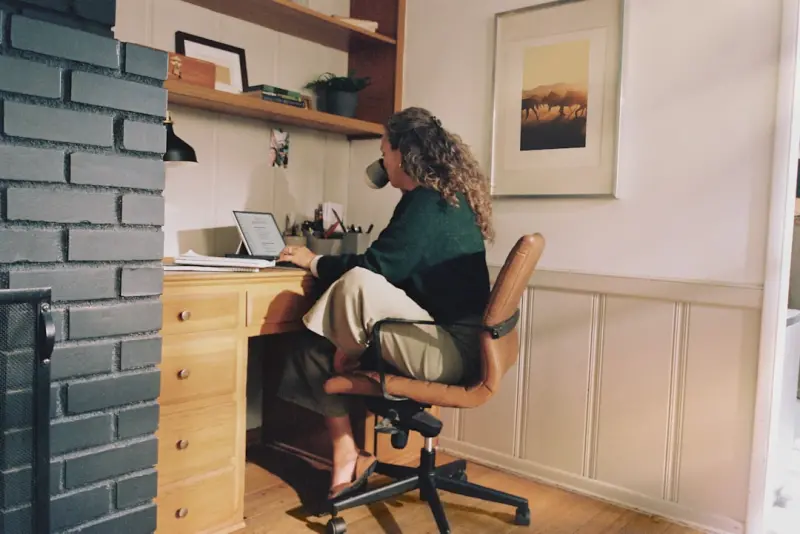
Transform Your Home Office into a Productivity Power‑Hub
A step‑by‑step guide to turning any space into a high‑performance home office, covering lighti... Read More

Unplugged Power: Simple Hacks to Stop Energy Vampires at Home
Learn how to locate and cut out the silent electricity leeches in your house with easy plug‑manage... Read More
Top Posts

Building a Future‑Proof Foundation: Science, Materials, and Smart Monitoring
A seasoned contractor shares cutting‑edge strategies—soil testing, green materials, and sensor tech—to build foundations that stand the test of time....Read More

Foundations That Think: Building Smarter From the Ground Up
A deep dive into responsive foundations—how embedded sensors, modular design, and low‑carbon concrete turn the ground level into a dynamic, data‑driven as...Read More
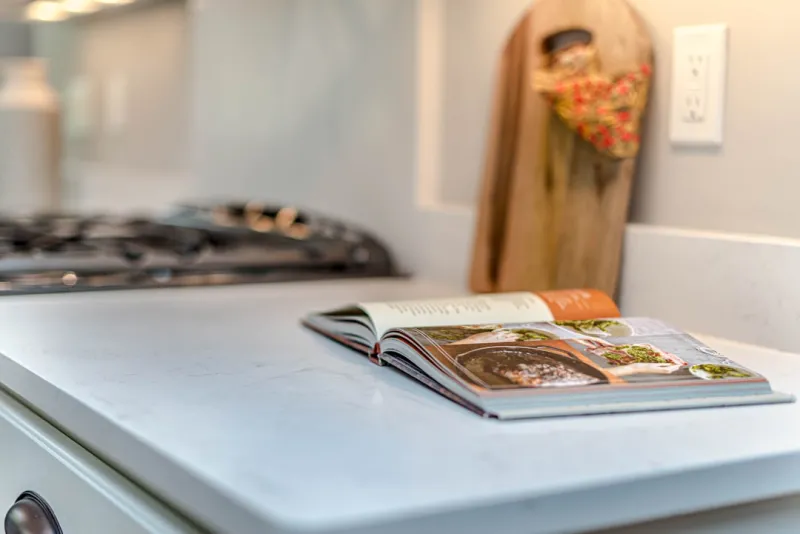
Choosing the Perfect Countertop for a Sustainable, Smart Kitchen
Explore the best sustainable countertop materials, from quartz to reclaimed wood, and learn how smart features and smart maintenance can extend their life while...Read More

Transforming My Backyard: A Sustainable Landscaping Journey
A personal guide to turning your yard into a sustainable oasis, featuring native planting, permeable pathways, and solar‑powered lighting....Read More
0 Comments
Post Comment
You will need to Login or Register to comment on this post!