
Why Plumbing Is the Unsung Hero of a Smart Home
When most people think about a “smart home,” the mind jumps straight to voice‑controlled lights, thermostat apps, or that fancy fridge that orders groceries for you. Plumbing, however, quietly sits in the background, moving the lifeblood of the house—water—through every faucet, shower, and appliance. Yet it’s also one of the most vulnerable systems: a single unnoticed drip can waste more than 3,000 gallons a year, and hidden pipe corrosion can compromise water quality without a trace.
Over the past few years I’ve watched a subtle shift in the industry. What used to be a purely mechanical trade is now a data‑rich ecosystem. Sensors are being tucked into pipe walls, AI algorithms are learning the rhythm of a family’s water use, and cloud‑based dashboards are giving homeowners the same granular control they have over their lights or security cameras. This quiet revolution is turning ordinary plumbing into a proactive, cost‑saving, and health‑protecting asset.
The Hidden Cost of the Everyday Drip
It’s easy to dismiss a slow leak as “just a nuisance.” The reality is far more alarming. According to the EPA, the average household could lose up to 10,000 kilowatt‑hours of energy annually just from heating water that never reaches a tap. That translates into a noticeable bump on the utility bill, not to mention the environmental toll of wasted water.
Traditional leak detection relied on periodic visual inspections or the occasional surprise of a flooded basement. Those methods are reactive—by the time the water has seeped into walls or foundations, damage control is already underway. What we need now is a preventive approach that flags a problem before it escalates.
Enter IoT: From Passive Pipes to Active Data Streams
Smart sensors are the new stethoscopes for plumbers. Small, low‑power flow meters can be clamped onto existing pipes, instantly transmitting real‑time usage data to a mobile app. When the system detects a pattern that deviates from the norm—a sudden surge in flow at 3 a.m., for instance—it can send an alert, automatically shut off a valve, and even open a ticket for a licensed technician.
One of the most compelling uses of this data is leak detection heatmaps. By aggregating flow data across every fixture, the software visualizes where water is “leaking” in the house, even if the drip is hidden behind a wall. This granular insight transforms what used to be guesswork into a precise, actionable plan.
Smart Valves and Automatic Shut‑Off: The First Line of Defense
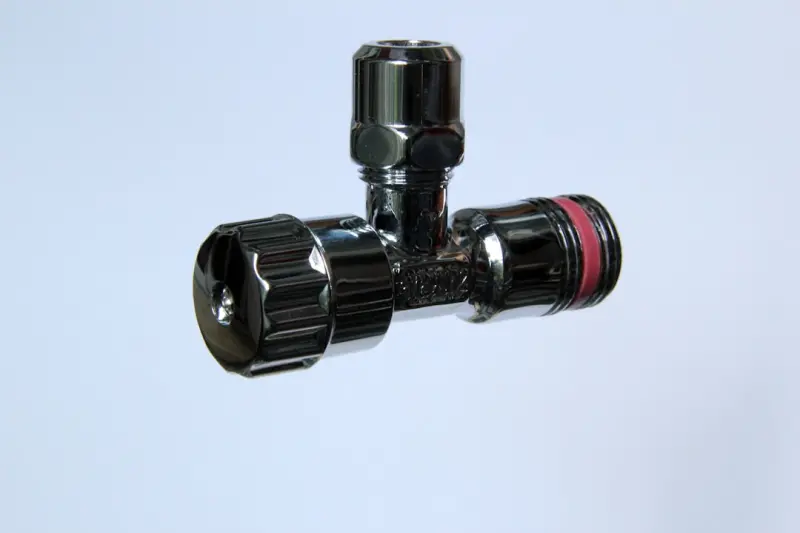
Imagine a valve that can close itself the moment a leak is detected, just as a circuit breaker trips when an overload occurs. That’s the promise of smart shut‑off valves. These devices sit on the main water line or on individual branch lines, and they communicate directly with the sensor network.
- Instant response: Within seconds of a detected anomaly, the valve closes, stopping water flow and preventing damage.
- Remote control: Homeowners can manually override the valve from anywhere via a smartphone, ideal for vacation homes.
- Integration with home automation: The valve can be programmed to work with other systems—turning off sprinklers during a leak, for instance, to avoid compounding the issue.
These capabilities are especially valuable for renters or older homes where retrofitting entire pipe runs isn’t feasible. A single valve can protect an entire property.
Water Quality Monitoring: Beyond Quantity
While most smart plumbing solutions focus on flow, an emerging trend is the monitoring of water quality. Sensors can measure pH, temperature, turbidity, and even detect contaminants like lead or chlorine. The data is streamed to a dashboard that not only warns of unsafe water but also suggests filtration upgrades or pipe replacement schedules.
For families with infants, seniors, or members with compromised immune systems, this kind of real‑time insight can be life‑changing. A sudden spike in hardness, for example, can signal a failing water softener, prompting timely maintenance before scale buildup harms appliances.
Connecting Plumbing to the Bigger Smart Home Ecosystem
Data is powerful, but its true value shines when it talks to other systems. A water‑usage spike could trigger the HVAC system to adjust humidity levels, preventing mold. An integrated dashboard can show you how much water you’re using for laundry versus showers, helping you make smarter habits.
In fact, the IoT‑driven building protection movement is expanding beyond waterproofing membranes to include comprehensive water‑management strategies. By unifying leak detection, valve control, and quality monitoring under one cloud platform, you gain a holistic view of the home’s health.
Case Study: The “Zero‑Drip” Renovation
Last winter I consulted with a homeowner who had endured three separate pipe bursts in a single year. We installed a suite of smart sensors on the main line, each bathroom fixture, and the irrigation system. The system immediately identified a tiny leak in a concealed pipe behind the bathroom vanity—a leak that would have taken months to surface.
After the smart shut‑off valve closed the line, the homeowner received a push notification, scheduled a plumber through the app, and avoided water damage entirely. Over the next six months, the analytics showed a 22 % reduction in water usage, primarily because the homeowner became aware of “phantom” water draw from a leaky toilet flush valve that was automatically corrected by an auto‑adjusting valve.
This example illustrates how data‑driven plumbing can translate directly into cost savings, convenience, and peace of mind.
Practical Steps to Upgrade Your Plumbing Without a Full Remodel
If the idea of a full pipe replacement feels overwhelming, start small:
- Install flow sensors on high‑use fixtures. Clamp‑on meters are inexpensive and non‑intrusive.
- Add a smart shut‑off valve on the main line. Choose a model that integrates with your preferred home automation hub.
- Upgrade to a water‑quality sensor. Place it near the water inlet to monitor incoming supply.
- Use a cloud‑based dashboard. Many manufacturers offer free apps that visualize usage trends.
- Combine with energy‑saving practices. Simple actions like fixing faucet aerators can amplify savings—check out these energy‑saving home hacks for quick wins.
These steps are low‑cost, reversible, and provide immediate insight into your home’s water health.
Looking Ahead: Predictive Maintenance and AI‑Powered Plumbing
What’s next for the industry? Imagine a system that doesn’t just react to leaks but predicts them. By analyzing historical flow patterns, pipe age, material type, and even external factors like temperature fluctuations, AI can forecast when a pipe is likely to fail, prompting pre‑emptive replacement.
Such predictive maintenance could reduce emergency plumber calls by up to 40 %, according to early pilot programs. The technology also opens doors for insurance companies to offer lower premiums for homes equipped with proactive plumbing monitoring.
Conclusion: Embrace the Quiet Revolution
Plumbing may not have the flash of a smart thermostat, but its impact on sustainability, cost, and health is profound. By turning pipes into data sources, we’re moving from a reactive, “fix‑when‑it‑breaks” mindset to a proactive, intelligence‑driven approach. The benefits are clear: less waste, lower bills, safer water, and peace of mind.
If you’ve been putting off that plumbing upgrade because it seemed too technical or pricey, think again. The tools are now modular, affordable, and designed for DIY installation. Start with a sensor, watch the data, and let the insights guide you toward a more efficient, resilient home.

Kelly Reynolds is a dynamic freelance writer hailing from the picturesque landscapes of Alberta. A master of the written word, she juggles her passion for storytelling with the exhilarating chaos of being a mother to five spirited children. With an impressive portfolio that spans various genres, Kelly captivates readers through her engaging blog posts and thought-provoking articles.
Related Posts

Silent Water Intruders: Mastering Hidden Leak Detection for a Healthy Home
Learn how to detect invisible leaks before they cause damage. From acoustic listening devices to sma... Read More
Connected Pipes: Transforming Plumbing into a Data‑Driven Asset
Plumbing can do more than deliver water—by integrating flow, acoustic, and pressure sensors, facil... Read More
Connected Leak Detection: Turning Water Woes Into Data‑Driven Wins
Connected leak detection transforms plumbing from reactive repairs to proactive protection, using se... Read More
Top Posts
The Invisible Advantage: How Smart Insulation Is Redefining Building Performance
Insulation is evolving from a passive barrier to a data‑driven performance layer. Learn how advanced materials, embedded sensors, and AI control can cut energ...Read More

Reviving Timeless Pieces: A Hands‑On Guide to Furniture Restoration
A detailed, hands‑on guide walks readers through assessing, repairing, and finishing old furniture, highlighting the economic, environmental, and creative ben...Read More

Your Ultimate Home Renovation Checklist: From Vision to Reality with Rose DesRochers
Embark on your home renovation journey with confidence using Rose DesRochers' ultimate checklist. Learn how to plan, budget, hire, manage, and complete your pro...Read More

Elevating Drywall: Integrating Sensors and Sustainable Materials for Modern Buildings
This article explores how drywall can evolve beyond a simple finish by embedding sensors and using sustainable materials, offering smarter, greener interiors th...Read More
0 Comments
Post Comment
You will need to Login or Register to comment on this post!