The Hidden Cost of Unseen Leaks
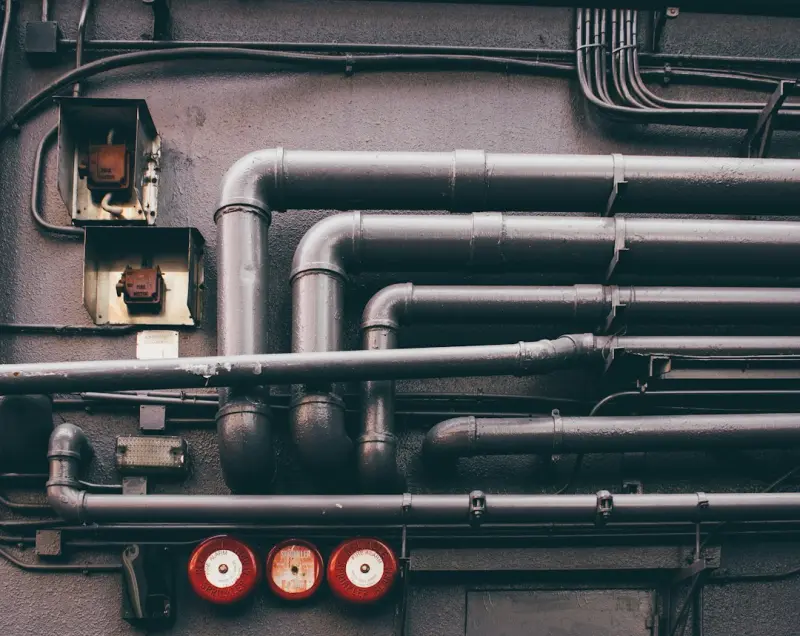
When I first walked onto a construction site as a young apprentice, the most obvious thing I saw was a maze of pipes snaking through concrete slabs. Years later, I still hear that same metallic whisper in the walls of every building I manage. The reality is simple yet staggering: leaks that remain undetected can drain thousands of gallons of water each year, inflate utility bills, and silently erode the structural integrity of a property. In commercial environments, the cumulative impact of even a few drips can translate into significant financial loss, increased maintenance cycles, and a tarnished sustainability record.
Traditional plumbing maintenance has always been reactive—a burst pipe or a water‑stained ceiling triggers a service call. This approach, while familiar, leaves a massive blind spot. The water that never makes it to the meter, the humidity that seeps into insulation, the mineral deposits that corrode fittings—all of these are invisible to the human eye until damage becomes obvious.
What if we could bring those hidden leaks into the light before they become costly emergencies? The answer lies in treating plumbing not just as a mechanical system, but as a source of data that can be monitored, analyzed, and acted upon in real time.
From Reactive to Predictive: A New Plumbing Paradigm
My experience in the field has taught me that the best way to avoid a problem is to anticipate it. The shift from a reactive mindset to a predictive one has already revolutionized industries like manufacturing and HVAC; plumbing is the next logical frontier. By installing sensors that continuously measure flow rates, pressure changes, and temperature fluctuations, building managers can set thresholds that trigger alerts before a leak becomes a flood.
Consider a scenario where a sensor detects a subtle dip in pressure on the third floor water loop. Rather than waiting for a wall to bulge or a floor to warp, the system flags the anomaly, prompting a quick visual inspection that reveals a loose joint. The issue is fixed, water waste is prevented, and the building avoids a potentially disruptive shutdown.
Predictive plumbing also dovetails nicely with broader sustainability initiatives. Many companies now publish ESG (Environmental, Social, Governance) reports that track water usage. With granular data, those reports move from being broad estimates to precise, verifiable statements—a clear competitive advantage for any organization looking to demonstrate responsible stewardship.
IoT Sensors That Speak Water
When we talk about “IoT” in the context of plumbing, we’re not just adding a fancy label to a pressure gauge. Modern sensors are compact, low‑power devices that can be retrofitted onto existing pipework without major disruptions. They transmit data over Wi‑Fi, LoRaWAN, or even cellular networks, feeding a cloud‑based dashboard where trends can be visualized in seconds.
Key metrics to monitor include:
- Flow rate variance: Sudden spikes may indicate a burst, while gradual declines can point to slow leaks.
- Pressure differentials: A drop in pressure downstream of a valve often signals a leak or blockage.
- Temperature gradients: Unexpected hot spots can reveal insulation failures or pipe overheating.
- Acoustic signatures: Some advanced sensors “listen” for the sound of water escaping the pipe wall, providing an early warning without visual inspection.
These data points, once collected, are processed by algorithms that learn the normal operating patterns of each system. When an outlier occurs, the software escalates the alert, complete with location data down to the exact pipe segment.
Integrating Plumbing Data with Facility Management
One of the biggest misconceptions I encounter is that plumbing data lives in isolation. In reality, the most powerful insights emerge when water metrics are layered on top of other building‑operation data—energy consumption, HVAC performance, and even occupancy patterns.
For example, a spike in water usage during a weekend when occupancy is low could indicate a leak in a restroom that’s been inadvertently left on. By cross‑referencing the water dashboard with the building’s access control logs, facilities teams can pinpoint the exact time the anomaly began and dispatch maintenance before the issue escalates.
To illustrate the synergy, I often reference our internal case where we combined water data with weather‑proofing insights to anticipate pipe bursts during extreme temperature swings. By aligning weather forecasts with pressure sensor alerts, we pre‑emptively insulated vulnerable sections, saving both water and repair costs.
Case Study: Reducing Waste in a Mid‑Size Office Complex
Last year I partnered with a regional office park that was grappling with rising water bills and frequent maintenance tickets. Their plumbing was conventional—valves, meters, and occasional manual inspections. We introduced a pilot program consisting of:
- Eight ultrasonic flow sensors on primary distribution lines.
- Four acoustic leak detectors in high‑risk restroom zones.
- A cloud dashboard integrated with their existing CMMS (Computerized Maintenance Management System).
Within three months, the system identified a slow leak behind a wall in the third‑floor conference center—an issue that would have otherwise gone unnoticed for years. The repair cut water waste by approximately 3,200 gallons per month, translating to a 15% reduction in the building’s overall water bill.
Beyond the immediate savings, the data helped the facilities team prioritize pipe replacements based on real‑world wear patterns, rather than relying on age alone. This data‑driven approach extended the lifecycle of the plumbing network and aligned perfectly with the client’s long‑term capital planning.
Getting Started: A Practical Roadmap
If you’re convinced that plumbing deserves a data‑first strategy, here’s a step‑by‑step guide to begin the transformation:
- Audit the Existing System: Map out all water distribution lines, identify critical fixtures, and note any historical trouble spots.
- Select the Right Sensors: Choose devices that match your building’s connectivity constraints—Wi‑Fi for newer towers, LoRaWAN for sprawling campuses.
- Integrate with a Central Platform: Use a dashboard that can ingest multiple data streams and offers alert configuration. Many platforms also provide APIs for linking to your CMMS.
- Define Baselines and Thresholds: Work with a data analyst to establish normal operating ranges for flow, pressure, and temperature.
- Train Your Team: Ensure maintenance personnel understand how to interpret alerts and conduct rapid visual inspections.
- Iterate and Expand: Start with high‑risk zones, then gradually roll out sensors to secondary systems like irrigation or fire suppression lines.
For organizations that already embrace digital building strategies, this roadmap fits naturally into existing workflows. If you’re still on the fence, consider the cost of a single major pipe burst—both in terms of water loss and operational downtime—and compare it to the modest investment in a sensor network.
Future Outlook: Plumbing as a Service (PaaS)
Looking ahead, I see plumbing evolving into a service model where the data itself becomes a billable commodity. Companies could subscribe to a continuous monitoring service, receive actionable insights, and pay only for the water they actually save. This model mirrors trends we’ve observed in other utility sectors and would further democratize access to advanced plumbing analytics for smaller property owners.
In the meantime, the tools are already here. The challenge is cultural: moving away from “fix‑it‑when‑it‑breaks” toward “optimize‑before‑it‑breaks”. As someone who has spent decades wading through the aftermath of water damage, I can attest that the peace of mind that comes from knowing your pipes are being watched 24/7 is worth every penny.
Whether you manage a single office building or an entire corporate campus, the shift to data‑driven plumbing will not only protect your bottom line but also reinforce your commitment to sustainable, resilient operations. The water in our pipes is more than a utility—it’s a source of insight waiting to be unlocked.

David MacKinnon is a dynamic freelance writer known for his captivating storytelling and keen insights into the world of technology. With a passion for exploring the intersection of innovation and everyday life, he crafts engaging narratives that not only inform but also inspire his readers.
Related Posts

From Pipes to Pixels: How IoT is Transforming Everyday Plumbing
Discover how integrating IoT sensors, smart valves, and predictive analytics into plumbing systems c... Read More
Plumbing Meets Tech: How IoT Is Redefining Home Water Systems
A deep dive into how IoT is turning everyday plumbing into an intelligent, data‑driven system—co... Read More
Predictive Plumbing: Turning Leaks into Data‑Driven Wins
This article reveals how integrating smart sensors and AI analytics turns traditional plumbing from ... Read More
Top Posts
The Ultimate Guide to Foundation Repair: A Comprehensive Overview
Foundation repair is crucial for maintaining the stability and longevity of your home. Learn about common causes of foundation damage, signs of foundation probl...Read More

Warmth Underfoot: Why Floor Heating is a Game-Changer for Home Comfort
Floor heating is a game-changer for home comfort, providing energy efficiency, even heat distribution, and low maintenance requirements. Learn why it's a smart ...Read More

Beyond Shade: Turning Awnings into Outdoor Living Art
Learn to treat awnings as architectural statements—combining shade, style, and sustainability for an outdoor space that works and wow‑s....Read More

Smart Garage Doors: The Next Frontier in Building Performance
The garage door is evolving from a simple barrier to a data‑rich, secure, and energy‑efficient asset. Learn how AI, predictive maintenance, and smart integr...Read More
0 Comments
Post Comment
You will need to Login or Register to comment on this post!