
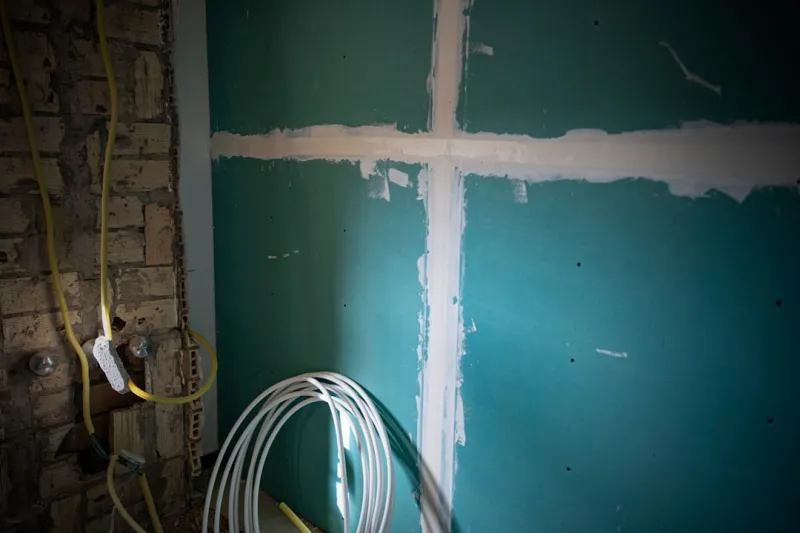
Why Drywalling Is the Unsung Hero of Sustainable Renovations
When I first swung a taping knife on a cramped condo ceiling, I realized drywall isn’t just a blank canvas—it’s a strategic layer that can lock in energy savings and improve indoor air quality. Properly installed drywall acts as a thermal barrier, reducing heat loss in winter and keeping cool air inside during summer, which translates directly into lower HVAC demand. That’s why I treat every sheet like a piece of the larger sustainability puzzle, aligning it with insulation, vapor barriers, and even smart home systems.
Choosing the Right Gypsum Board for Green Projects
Not all drywall is created equal; the market now offers low‑VOC, recycled‑content boards that dramatically cut off‑gassing and landfill waste. I favor products that carry the Environmental Product Declaration (EPD) badge, because they provide transparent lifecycle data that helps me meet both client expectations and green certification standards. Pairing these boards with responsibly sourced joint compound creates a holistic system that respects both the planet and the budget.
Preparing the Space: A Sustainable Pre‑Drywall Checklist
Before the first sheet hits the studs, I run a quick audit to ensure the framing is straight, the insulation is up to code, and any gaps are sealed with eco‑friendly caulk. This step prevents future air leakage, which can erode the performance of even the best drywall installation. I also schedule a brief walk‑through with the client to explain how proper sealing will boost the efficiency of the smart path to sustainable heating and cooling they’ve invested in.
Techniques That Reduce Waste and Boost Efficiency
One of my go‑to tricks is the “cut‑once, install‑many” method: I measure the longest wall first, cut a full‑length sheet, then use the off‑cuts for smaller areas, minimizing scrap. I also employ a dust‑free sanding system, which captures particles and prevents them from contaminating other trades. These practices not only keep the job site cleaner but also cut disposal costs—a win‑win for any green‑focused budget.
Seamless Finishing with Low‑Impact Materials
When it comes to taping and mudding, I opt for water‑based, low‑VOC compounds that dry quickly and emit far fewer chemicals than traditional options. Applying a thin, even coat reduces the amount of material needed, while a high‑quality mesh tape adds strength without the bulk of paper tape. The result is a smooth surface that’s ready for sustainable paints, like those highlighted in Eco‑Friendly Home Painting, without the risk of lingering odors.
Integrating Insulation and Vapor Barriers Behind the Board
While the drywall itself offers some thermal resistance, the real magic happens when I sandwich it between blown‑in cellulose or spray foam insulation. These materials are often made from recycled content and provide superior R‑values, which further reduces heating and cooling loads. Adding a smart vapor barrier that breathes—such as a kraft paper liner—helps regulate moisture, preventing mold growth and preserving indoor air health.
Smart Drywall: Preparing for Future Home Automation
Modern homes are becoming increasingly wired, and I plan for that by routing conduit and low‑voltage cables behind the drywall before it goes up. This foresight means homeowners can later add smart lighting, sensors, or even hidden speakers without tearing down walls. By coordinating with the electrical plan early, I keep the construction timeline tight and avoid costly retrofits, aligning with the broader goal of green building practices.
Maintenance Tips to Extend the Life of Your Drywall
After the project wraps, I hand over a simple care guide: avoid abrasive cleaners, spot‑clean with mild soap, and keep humidity levels between 30% and 50% to protect the joint compound. Regularly checking for cracks and resealing small gaps can prevent larger structural issues down the line. These small, proactive steps keep the walls looking fresh and maintain the energy efficiency gains achieved during installation.
Cost Considerations: Balancing Budget and Sustainability
Investing in high‑performance drywall and accompanying insulation may raise material costs, but the payoff shows up quickly in reduced utility bills and longer material lifespan. I always run a life‑cycle cost analysis for my clients, illustrating how a modest upfront premium can translate into decades of savings. When the numbers add up, it’s clear that sustainable drywalling isn’t a luxury—it’s a smart financial decision.
My Final Thoughts: Drywall as a Catalyst for Greener Living
Every time I finish a drywall project, I feel a sense of quiet triumph knowing that I’ve added a silent, yet powerful, layer of sustainability to a home. From selecting low‑impact boards to planning for future tech upgrades, each decision compounds to create healthier, more efficient living spaces. If you’re ready to transform your next renovation into a sustainable success story, let’s talk—because great drywall is more than walls; it’s a foundation for a greener future.

David MacKinnon is a dynamic freelance writer known for his captivating storytelling and keen insights into the world of technology. With a passion for exploring the intersection of innovation and everyday life, he crafts engaging narratives that not only inform but also inspire his readers.
Related Posts

Beyond the Sheet: Unlocking the Full Potential of Modern Drywall
Explore how today’s drywall goes beyond simple partitioning, offering acoustic mastery, fire resis... Read More

When Drywall Meets Design: Turning Walls into Smart, Sustainable Spaces
Discover the transformative potential of today’s drywall—from recycled gypsum and acoustic upgra... Read More
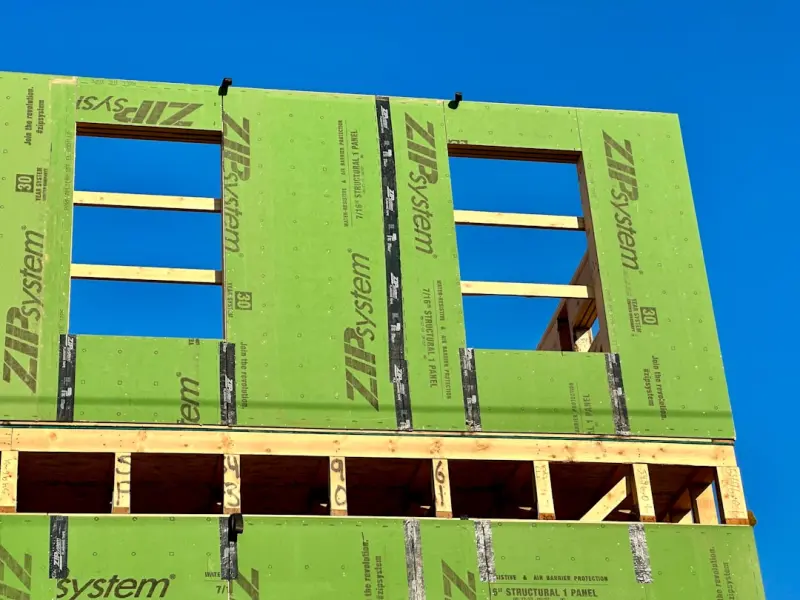
Reinventing Drywall: Modular, Smart, and Sustainable Solutions
A deep dive into modular drywall systems that cut waste, embed IoT sensors, and use recycled gypsum,... Read More
Top Posts

Window Treatments That Work: A Veteran Contractor’s Guide to Sustainable Style
Tom Ferguson shares insider tips on choosing, installing, and maintaining sustainable window treatments that save energy, look great, and last for years....Read More
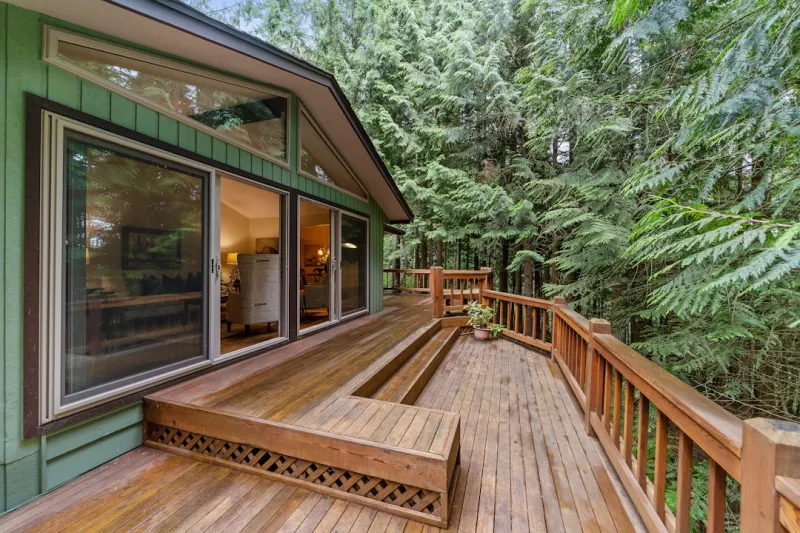
Designing a Sustainable Deck That Becomes Your Year‑Round Sanctuary
A personal guide to creating a sustainable, versatile deck that blends comfort, style, and eco‑friendly choices for every season....Read More
Adaptive Climate‑Ready Home Upgrades: Strategies for a Resilient Future
A deep dive into dynamic, performance‑driven home upgrades that let your house adapt to shifting climate conditions, blending smart materials, IoT monitoring,...Read More
Modular Electrical Architecture: Building a Scalable, Resilient Power Backbone
A deep dive into modular electrical architecture reveals how interchangeable, intelligent power modules can replace traditional breaker panels, enabling scalabl...Read More
0 Comments
Post Comment
You will need to Login or Register to comment on this post!