

The Emotional Blueprint Behind Every Restored Piece
When I cradle a weather‑worn armchair in my workshop, I’m not just handling wood and fabric; I’m holding a family’s silent history, a set of whispered gatherings, and a thousand unspoken moments. Understanding the emotional resonance of an heirloom reshapes my approach, turning a simple sand‑paper stroke into a reverent act of preservation. I often begin by photographing the piece, noting every nick, stain, and faded hue, then I sketch a narrative that guides the restoration—what story does this table want to tell after its second life? This mindset steers decisions about whether to retain a crack as a character line or smooth it away, ensuring the soul of the furniture remains intact while its form is refreshed.
Choosing Sustainable Materials Without Sacrificing Style
One of the most rewarding challenges in furniture restoration is sourcing eco‑friendly materials that honor the original design language. I frequent reclaimed‑lumber yards, where salvaged planks carry the grain of decades past, and I pair them with low‑VOC finishes that protect indoor air quality. By opting for natural oil blends over synthetic polyurethane, I achieve a satin sheen that deepens with time, echoing the patina of antiques. This commitment to sustainability doesn’t just benefit the planet; it also adds a layer of authenticity that discerning homeowners crave.
Integrating Modern Comforts Into Vintage Forms
While classic silhouettes captivate, today’s occupants expect ergonomic support and climate control. I discreetly embed breathable mesh cushions beneath vintage upholstery, and I thread thin, rechargeable heating pads into armrests for those chilly evenings. The key is concealment—no visible wiring, no bulky components—so the piece retains its period‑appropriate aesthetic. For those curious about blending old and new, I recommend exploring Reviving Hand‑Cut Joinery for inspiration on preserving structural integrity while adding modern touches.
Mastering the Art of Finish Selection
The finish is the final voice of a restored item, whispering its era, purpose, and personality. I often conduct a “finish tasting” session, applying small swatches of chalk, wax, and oil on hidden sections to observe how each reacts to light, touch, and humidity. A matte milk‑paint can evoke mid‑century minimalism, while a glossy lacquer pays homage to Art Deco glamour. Selecting a finish also involves considering the piece’s future environment—high‑traffic dining chairs benefit from a durable, scuff‑resistant coating, whereas a decorative sideboard can luxuriate in a soft, hand‑rubbed wax that invites gentle polishing.
Upcycling Unexpected Finds Into Statement Furniture
Sometimes the most compelling projects start as discarded treasures: an industrial metal locker, a cracked piano bench, or a battered wooden crate. By deconstructing these items and recombining their components, I create bespoke pieces that surprise and delight. Imagine a coffee table whose legs are repurposed vintage piano keys, each painted in a muted teal, supporting a reclaimed‑oak top stained to match the surrounding décor. The thrill lies in the unexpected juxtaposition, a visual conversation between past utility and present artistry. For readers eager to dive deeper into the world of creative repurposing, Beyond the Boards offers a fresh perspective on turning ordinary structures into functional art.
Preserving Original Hardware: A Detail‑Oriented Journey
Hardware—knobs, pulls, hinges—acts as the tactile memory of a furniture piece. Rather than swapping them out for modern alternatives, I meticulously clean, rust‑remove, and refinish each component, often using a gentle electro‑plating process to restore luster without sacrificing patina. When a piece truly lacks functional hardware, I scout antique markets for period‑appropriate replacements, ensuring they match the original’s scale and finish. This dedication to detail not only elevates the visual integrity but also honors the craftsmanship of the original maker, allowing the restored item to speak in its authentic voice.
DIY Diagnostic Tools Every Restorer Should Own
Before a single brushstroke, I run a series of diagnostic tests to assess structural health. A moisture meter reveals hidden rot in wooden frames, while a digital caliper checks for subtle warping that could affect assembly. I also employ a portable UV lamp to uncover faded finishes and hidden repairs from previous owners. These tools, though modest in price, provide the data needed to plan a restoration that’s both precise and respectful. Investing in such equipment transforms guesswork into a science, reducing the risk of unintended damage.
Storytelling Through Custom Inlays and Accents
One way to personalize a restored piece is through subtle inlays that echo a family’s heritage or a homeowner’s passions. I once embedded a thin strip of reclaimed river‑stone into the drawer front of a mahogany bureau, symbolizing the client’s love of kayaking. Another project featured a mother‑of‑pearl mother‑board inlay on a vintage nightstand, echoing the client’s marine biology background. These accents are not mere decoration; they become conversation starters, turning functional furniture into a narrative canvas that celebrates individuality.
Marketing Restored Furniture in the Digital Age
After the physical transformation, the next challenge is sharing the story with the world. High‑resolution before‑and‑after photos paired with a concise narrative perform best on social platforms, especially when coupled with relevant hashtags like #upcycledluxury and #heritagecraft. I also create short video reels that highlight the tactile process—sanding grain, applying oil, polishing the final surface—giving viewers a visceral sense of the craftsmanship involved. For sellers, a well‑written product description that weaves the piece’s history, restoration choices, and sustainability credentials can command premium pricing and attract eco‑conscious collectors.
Future‑Proofing Restorations for Changing Lifestyles
As households evolve, furniture must adapt without losing its character. I design modular components that can be reconfigured: a sofa with detachable arms that become ottomans, or a bookshelf with adjustable shelving for evolving media formats. Anticipating these shifts ensures the restored piece remains functional for decades, reducing the impulse to replace it later. By integrating flexibility into the restoration plan, I honor the original design while embracing the fluid nature of modern living, creating timeless pieces that grow alongside their owners.

When it comes to the world of blogging and writing, Rose DesRochers is a name that stands out. Her passion for creating quality content and connecting with her audience has made her a trusted voice in the industry. Aside from her skills as a writer and blogger, Rose is also known for her compassionate nature.
Related Posts
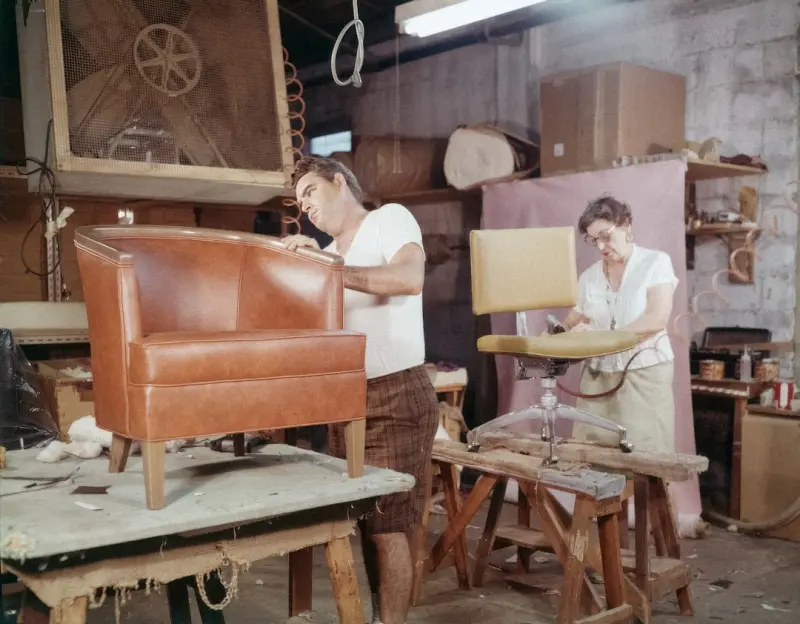
From Dusty Attic Finds to Centerpiece Statements: A Modern Guide to Furniture Restoration
Explore a fresh approach to furniture restoration that blends traditional craft with low‑tech tool... Read More

Reviving Forgotten Furniture: A Hands‑On Guide
A hands‑on journey into furniture restoration, covering assessment, repair, finishing, and sustain... Read More

From Dusty Heirloom to Modern Marvel: My Journey in Furniture Restoration
I breathe new life into forgotten furniture, turning heirloom tables and chairs into contemporary st... Read More
Top Posts
Seeing the Future Through the Frame: Modern Window Treatments Redefined
A deep dive into how smart, sustainable, and health‑centric window treatments are reshaping interiors, offering dynamic light control, acoustic benefits, and ...Read More
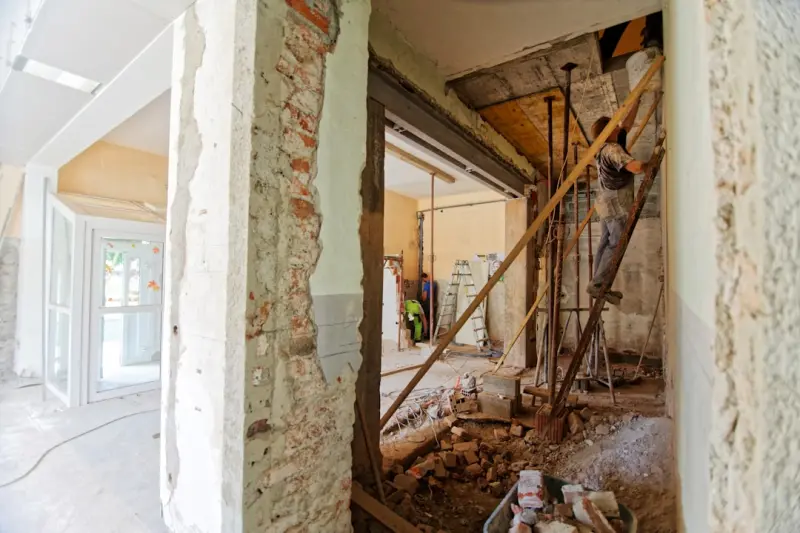
How AI is Transforming Foundation Repair for the Modern Builder
Foundation repair is moving from reactive fixes to proactive, data‑rich strategies. Learn how AI, continuous monitoring, smart waterproofing, and robotics are...Read More
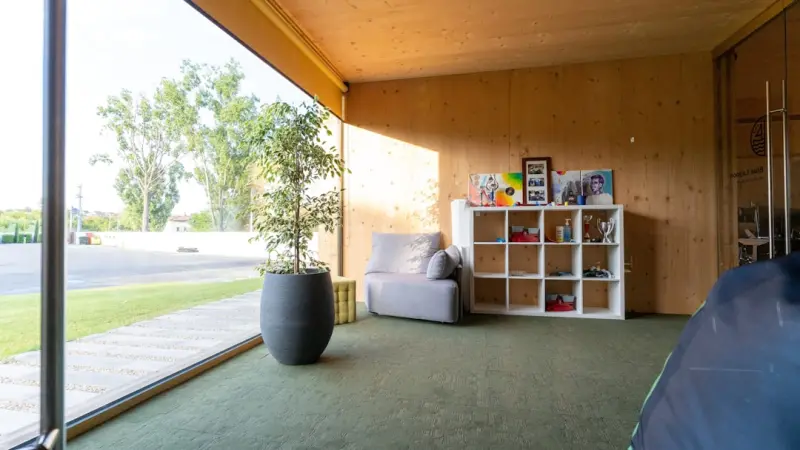
Sunrooms as Data‑Driven Wellness Pods: Merging Light, Sensors, and Ergonomics
Discover how to convert a traditional sunroom into a data‑driven wellness pod, using adaptive glass, environmental sensors, and ergonomic zones to enhance emp...Read More

From Scrap to Spotlight: Crafting Upcycled Wood Masterpieces
A deep‑dive into the art of upcycling vintage timber, offering practical sourcing tips, hand‑tool restoration methods, modular design ideas, and business st...Read More
0 Comments
Post Comment
You will need to Login or Register to comment on this post!