
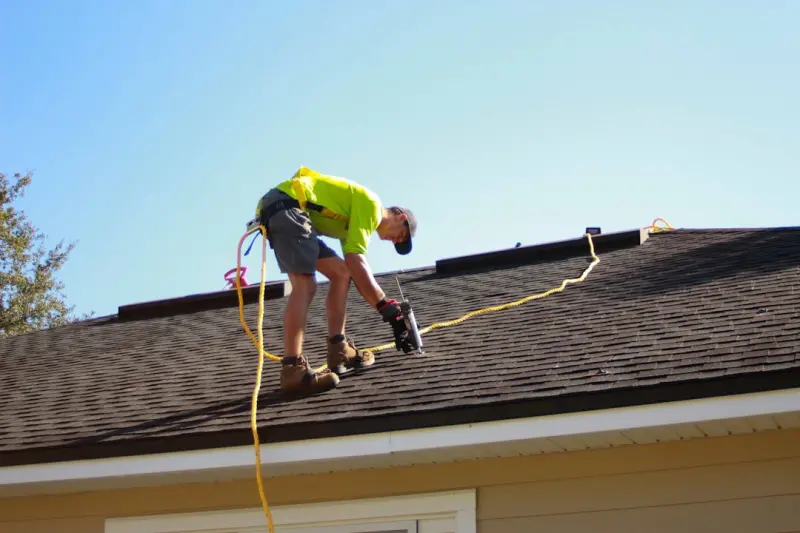
Seeing Your Roof as a Mood Board
When I stand on my back patio and look up, the roof isn’t just a protective shell—it’s the first brushstroke of the home’s visual story, setting a tone that can calm, energize, or even inspire neighbors passing by. The hue you choose interacts with the surrounding landscape, the sky’s shifting palette, and the architectural language of your house, creating a subtle dialogue that influences how people feel before they even step inside. Choosing the right roof color is therefore a strategic design decision that blends aesthetics, psychology, and community perception into one seamless experience.
Psychology of Color Up High
Research into color psychology shows that cool blues and greens can evoke serenity and trust, while warm reds and oranges often spark excitement and a sense of adventure, making them perfect for homes that aim to be social hubs. Conversely, neutral tones like slate, charcoal, or ivory act as quiet backdrops, allowing the home’s architecture and landscaping to take center stage without competing for attention. By aligning your roof’s palette with the emotional atmosphere you wish to cultivate, you turn an overlooked element into a purposeful statement piece.
Neighborhood Cohesion and Visual Harmony
In many communities, a roof that clashes with its surroundings can disrupt the visual rhythm, unintentionally lowering curb appeal and even affecting property perceptions among potential buyers. A well‑chosen roof color that complements neighboring homes, streetscape trees, and local building codes creates a sense of cohesion, reinforcing the idea that the neighborhood is a curated, thoughtful environment. This harmony often translates into higher satisfaction for residents who feel their homes belong to a larger, aesthetically unified story.
Climate‑Responsive Palette Choices
Beyond aesthetics, roof color plays a functional role in energy performance, especially in regions with extreme temperature swings. Lighter shades reflect solar radiation, keeping interiors cooler in hot climates and reducing reliance on air‑conditioning, while darker tones absorb heat, providing natural warmth during cold months and lessening the load on heating systems. By selecting a hue that aligns with your local climate, you can enjoy both visual appeal and measurable energy savings through inspection strategies.
Material Matters: From Asphalt to Metal
The underlying roofing material influences how color is perceived, as pigments behave differently on asphalt shingles, metal panels, or clay tiles. Metal roofs, for example, showcase a crisp, vibrant finish that can make bold colors pop without fading, while traditional shingles may mute hues over time, requiring a more conservative palette for longevity. Understanding the interaction between material and pigment ensures the color you love today remains vivid and true to its original intent for years to come.
Future‑Proofing with Adaptive Finishes
Emerging technologies now allow homeowners to apply thermochromic or photochromic coatings that shift shade in response to temperature or sunlight, creating dynamic roofs that adapt to seasonal moods. Imagine a roof that glistens silver on scorching summer days, then deepens to a warm bronze as autumn winds roll in, offering a living canvas that evolves with nature. These adaptive finishes not only add a wow factor but also contribute to passive temperature regulation, marrying art with sustainability.
Integrating Solar Aesthetically
Solar panels have long been viewed as functional add‑ons, yet modern photovoltaic tiles blend seamlessly with traditional roofing, preserving the visual integrity of your chosen color scheme while generating clean energy. By opting for solar shingles that match the roof’s hue, you eliminate the jarring contrast of conventional panels, turning sustainability into a design advantage rather than a compromise. This approach lets you showcase a forward‑thinking home without sacrificing the curated look you’ve meticulously planned.
Case Study: A Color‑Driven Renovation
Last spring I guided a client through a roof repaint that transformed their property’s street presence: they swapped a faded gray shingle roof for a deep, muted teal metal finish that echoed the coastal blues of nearby water and the greenery of mature oaks. The result was an instant uplift in curb appeal, higher appraisal values, and even a boost in neighborhood pride, as neighbors began discussing the “new look” as a catalyst for future street‑wide upgrades. Their experience underscores how a thoughtful roof color can ripple outward, influencing both personal satisfaction and community aesthetics.
Practical Steps to Choose Your Roof Color
Start by gathering inspiration from natural surroundings, architectural style, and the emotional vibe you wish to project; create a mood board that includes paint swatches, material samples, and photos of local homes you admire. Next, consult with a roofing professional who can advise on pigment durability, material compatibility, and local climate impacts, ensuring your vision translates into a long‑lasting reality. Finally, request a small test patch or digital rendering to visualize the final effect before committing, allowing you to fine‑tune the shade and avoid costly revisions down the line.

Kelly Reynolds is a dynamic freelance writer hailing from the picturesque landscapes of Alberta. A master of the written word, she juggles her passion for storytelling with the exhilarating chaos of being a mother to five spirited children. With an impressive portfolio that spans various genres, Kelly captivates readers through her engaging blog posts and thought-provoking articles.
Related Posts
Roofing Redefined: Turning Your Building’s Crown into a Smart, Sustainable Asset
Explore the future of roofing as a strategic platform that combines smart sensors, carbon‑negative... Read More

From Shingles to Data Hubs: Reimagining Roofs for the Modern Facility
Explore a fresh perspective on roofing that treats the roof as an intelligent platform, leveraging d... Read More
The Role of Roofing in Sustainable Home Restoration
Sustainable roofing plays a critical role in home restoration, energy efficiency, and environmental ... Read More
Top Posts
Why Insulated Garage Doors Are the Unsung Heroes of Energy Efficiency
Insulated garage doors act as a thermal barrier, reducing energy loss, enhancing security, and boosting curb appeal. Learn how the right door can save money, im...Read More

Revamping Your Walls: Sustainable Drywall Strategies for Modern Homes
From greener board selections to acoustic upgrades, this guide walks you through the latest drywall tactics that boost performance, protect your home, and prepa...Read More

Unlocking Energy Efficiency: The Critical Role of Energy Inspections in Modern Homes
Energy inspections play a vital role in ensuring that your home is energy-efficient, comfortable, and sustainable. Learn how these comprehensive evaluations can...Read More

From Scrap to Statement: Building a Circular Woodworking Practice
Learn practical steps to transform wood shop waste into marketable, sustainable products, build a compelling brand narrative, and future‑proof your woodworkin...Read More
0 Comments
Post Comment
You will need to Login or Register to comment on this post!