
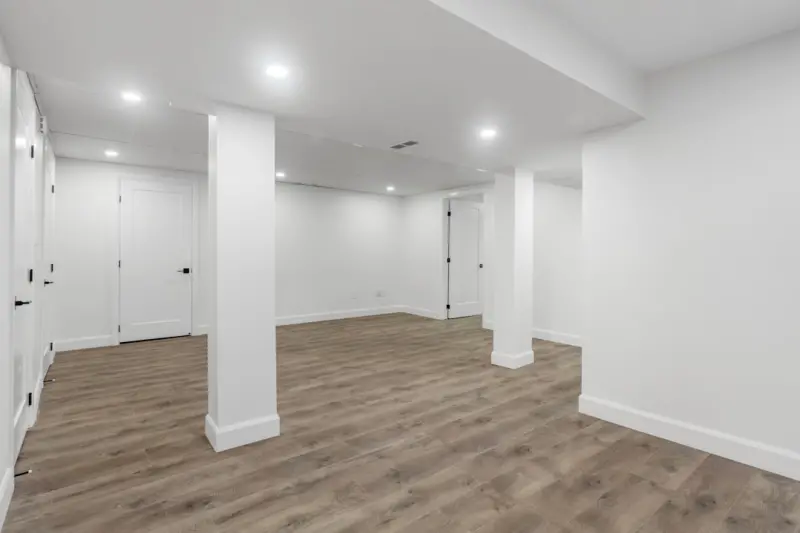
When I first stepped into a damp, under‑lit basement, I felt an odd mix of curiosity and dread. The space was a literal and figurative blank canvas—one that could either become a health‑draining storage pit or a vibrant, restorative hub that lifts the entire home’s wellbeing. Over the past decade I’ve watched countless owners treat their basements as afterthoughts, but the tide is turning. Homeowners are now demanding that every square foot of their property contribute to physical health, mental clarity, and long‑term resilience. This piece dives deep into how you can transform a neglected cellar into a wellness‑focused sanctuary—without re‑hashing the typical “multi‑purpose” or “future‑proof” narratives that have already saturated the blog.
Start With the Air: The Invisible Foundation of Wellness
Air quality is the silent, invisible factor that dictates whether a renovated basement feels invigorating or oppressive. While many renovation guides obsess over drywall finishes or flooring options, they often skim over the science of indoor air. Here’s a three‑step framework to secure a healthy breathing environment:
- Seal, then ventilate. Before you even think about adding insulation, conduct a thorough seal‑check. Cracks in the perimeter wall, gaps around pipe penetrations, and unsealed rim joists are prime pathways for soil gases and moisture. Once sealed, install a dedicated balanced ventilation system that exchanges stale basement air with filtered outdoor air without compromising energy performance.
- Deploy moisture‑monitoring sensors. Modern humidity sensors can be wired into a home‑automation hub to trigger dehumidifiers when relative humidity climbs above 55 %. This proactive approach not only prevents mold growth but also reduces the need for costly remedial work later on. (For a deeper dive on integrating sensors into your home, see our article on predictive climate control.)
- Invest in air‑cleaning solutions. HEPA‑rated air purifiers positioned near the central return duct can capture airborne spores and allergens before they circulate. Pair this with a low‑VOC paint system to keep volatile emissions at bay.
By treating the basement’s envelope as a living organism that needs both protection and breath, you lay the groundwork for every other wellness upgrade to succeed.
Light Up the Depths: Bringing Daylight Below Ground
Natural light is a proven mood enhancer, but achieving it in a below‑grade space feels like an engineering puzzle. Instead of merely installing a bright LED fixture, think about how daylight can physically enter the space.
- Light wells and sun tunnels. These cylindrical shafts funnel sunlight from the roof down to the basement floor, often delivering more luminous flux than a standard window. Modern designs use reflective interiors to maximize efficiency, and many can be retrofitted without extensive structural changes.
- Egress windows with insulated glazing. Building codes now encourage egress windows for safety, but they also serve a dual purpose as daylight portals. Choose double‑pane, low‑U‑value glass to retain heat while letting in ample sunshine.
- Strategic artificial lighting. Complement natural sources with tunable white LED panels that mimic the sun’s circadian rhythm. These fixtures can be programmed to shift from cool blues in the morning to warm ambers in the evening, supporting melatonin regulation.
When daylight penetrates the space, you’ll notice an immediate uplift in mood and perception of size. It also reduces reliance on artificial lighting, dovetailing neatly with broader energy‑efficiency goals.
Biophilic Design: Nature Inside the Walls
Humans have an innate affinity for nature—a concept known as biophilia. Incorporating elements of the natural world into a basement not only beautifies the space but also delivers measurable health benefits: lowered blood pressure, reduced stress hormones, and enhanced cognitive function.
- Living walls. Modular vertical garden systems let you grow low‑maintenance plants like pothos or ferns on a wall that would otherwise be a blank canvas. These walls act as natural air filters and add a soothing visual texture.
- Indoor herb garden. Position a series of raised planters near a sunny egress window and grow culinary herbs. The act of tending to them creates a daily ritual that anchors you to the space.
- Natural materials. Opt for reclaimed wood flooring, stone accent walls, or bamboo paneling. These textures provide tactile warmth and reinforce the connection to the outdoors.
When choosing plants, prioritize species that thrive in low‑light conditions and have air‑purifying properties. The result is a living, breathing basement that feels like an extension of the garden above.
Sound Management: Quiet Corners in an Underground Realm
Basements have a tendency to amplify low‑frequency noises—from HVAC hums to the distant thrum of city traffic. While many renovations focus on visual aesthetics, acoustic comfort is equally vital for a wellness‑centric environment.
One of my go‑to strategies is to treat the basement like a recording studio, layering absorption and diffusion materials strategically. Start with a base of acoustic insulation beneath the floor joists, then add fabric‑wrapped panels on the walls where you plan to sit or work. For a quick win, incorporate heavy‑curtain drapes over windows and glass doors; they act as both light filters and sound dampeners.
For a deeper dive into acoustic upgrades, check out our guide on making your home sound‑smart. It walks you through material choices and placement tips that turn a noisy cellar into a serene retreat.
Technology Integration: Sensors, Automation, and Data‑Driven Comfort
Renovating a basement for wellness isn’t just about static design elements; it’s also about embedding intelligence that adapts to changing conditions. Here’s how to future‑proof your health‑focused cellar without falling into the “future‑proof” jargon that dominates other posts.
- Humidity and radon monitoring. Install wireless sensors that log data to a cloud dashboard. Set alerts for when humidity exceeds 55 % or radon levels approach 4 pCi/L, prompting immediate ventilation or mitigation actions.
- Thermal zoning. Pair a dedicated thermostat with floor‑level temperature sensors. This allows you to maintain a consistent 68‑70 °F in the basement while letting adjacent floors operate at different set points, optimizing comfort and reducing utility costs.
- Lighting automation. Use motion‑activated dimmers that sync with daylight sensors, ensuring the space is only illuminated when occupied and at the appropriate brightness level.
- Integration with home energy platforms. While you may want to avoid re‑hashing “energy‑bill” language, tying your basement’s HVAC and lighting systems into a broader home energy management platform can reveal hidden inefficiencies. For practical examples, see our post on foundation upgrades that boost efficiency.
The payoff is a basement that not only looks and feels better but also continuously optimizes itself for health and sustainability.
Wellness Zones: Mapping Function to Feel
Instead of the generic “home theater” or “gym” labels that flood renovation blogs, I encourage you to think in terms of “wellness zones”—areas deliberately designed to support specific aspects of health:
- Movement Zone. A cleared area with rubber flooring, mirrored walls, and minimal visual clutter encourages yoga, Pilates, or light cardio. Incorporate a wall‑mounted speaker system for guided sessions.
- Recovery Zone. A low‑light corner with a recliner, soft textures, and a small water feature creates a calming environment for meditation or reading. Add a subtle aromatherapy diffuser to engage the olfactory sense.
- Social Hub. A modest kitchenette with a bar‑style counter, natural wood tables, and ambient lighting fosters gatherings without the pressure of a full‑scale kitchen remodel.
By assigning purpose to each zone, you reinforce the mental association between the space and its intended health benefit, making it more likely that you’ll use the area as designed.
Maintenance Mindset: Keeping the Wellness Momentum
A renovation is only as good as the maintenance plan that follows. Here are a few habits to embed into your routine:
- Schedule quarterly checks of humidity and radon sensor logs. Adjust ventilation settings as needed.
- Rotate indoor plants seasonally to ensure they receive optimal light and avoid pest buildup.
- Inspect acoustic panels for dust accumulation and gently vacuum to preserve their absorption qualities.
- Conduct an annual visual audit of sealant integrity around rim joists and foundation walls. Early detection prevents water intrusion.
Consistent, data‑driven upkeep transforms a one‑time renovation into a long‑lasting health asset.
Final Thoughts: From Storage Closet to Wellness Oasis
Renovating a basement is often dismissed as a “nice‑to‑have” project, but when you approach it through the lens of health, the payoff is profound. By prioritizing air quality, daylight, biophilic elements, acoustic serenity, and smart technology, you convert a dark, damp undercroft into a vibrant sanctuary that fuels physical vitality and mental clarity.
Remember, the most impactful changes start small—seal a crack, add a sensor, bring in a plant. Over time, these incremental upgrades compound, delivering a basement that not only adds square footage but also amplifies the overall quality of life for everyone under that roof.

David MacKinnon is a dynamic freelance writer known for his captivating storytelling and keen insights into the world of technology. With a passion for exploring the intersection of innovation and everyday life, he crafts engaging narratives that not only inform but also inspire his readers.
Related Posts
From Storage to Sanctuary: Rethinking Your Basement Renovation
Learn how to convert a dark basement into a bright, multi‑purpose sanctuary with smart moisture co... Read More

Transforming Basements into High‑Performance, Future‑Ready Spaces
A data‑driven, modular approach to basement renovations can convert a dark, damp area into a highâ... Read More
Transform Your Basement into a Year‑Round Wellness Hub
A fresh look at turning under‑used basements into vibrant, healthy spaces that support work, relax... Read More
Top Posts

Reviving Historic Homes with Subtle Tech: A Modern Restoration Playbook
A detailed guide on using 3‑D scanning, bio‑based plasters, fiber‑reinforced polymers, and smart HVAC to restore historic homes while preserving their ori...Read More

The Sustainable Revival of Furniture Restoration
Furniture restoration is an art form that requires patience, skill, and a deep understanding of materials and techniques. By embracing sustainable practices, we...Read More

Why Your Pipes Need a Sustainable Overhaul
A veteran contractor shares practical, sustainable plumbing upgrades—from leak detection to smart fixtures—that reduce waste, lower bills, and future‑proo...Read More
Elevate Your Outdoor Space: The Ultimate Deck Design Guide
Create a stunning outdoor oasis with our ultimate deck design guide. Learn about materials, design essentials, and smart home technology to elevate your outdoor...Read More
0 Comments
Post Comment
You will need to Login or Register to comment on this post!