

Why Snow Removal Can Be Your Winter Workout
When the first flakes begin to pile, most homeowners see a chore, not a chance to move. I’ve learned that each shovel lift, each push across a driveway, is a full‑body exercise that rivals a gym session if you treat it with intention. The cold air sharpens focus, the resistance of packed snow builds strength, and the rhythmic motion improves cardiovascular health—all without a membership fee. Embracing the physicality of snow removal transforms a dreaded task into a purposeful fitness regimen.
Understanding the Physiology Behind the Shovel
The human body responds to cold‑induced activity in surprising ways. Exposure to low temperatures triggers the release of norepinephrine, a hormone that boosts alertness and burns more calories than warm‑weather workouts. Meanwhile, the repetitive lifting and throwing of snow engages the quadriceps, hamstrings, glutes, and core, mirroring the mechanics of a deadlift and a squat. By maintaining proper posture—bending at the hips, keeping the back straight—you can protect your spine while maximizing muscle activation.
Designing a Snow‑Removal Routine That Works
Just as you would schedule cardio and strength days, map out a snow‑removal plan that balances intensity and recovery. Begin with a warm‑up: dynamic stretches for the hamstrings and shoulders to prepare joints for the load. When the snow hits, aim for 10‑minute intervals of shoveling followed by a brief walk or light jog to keep the heart rate in the aerobic zone. This interval approach prevents overexertion and mimics high‑intensity interval training (HIIT), delivering greater calorie burn in less time.
Safety First: Gear That Enhances Performance
Investing in the right equipment is as crucial as selecting the right shoes for a run. A lightweight, ergonomic shovel reduces strain on the wrists and back, while insulated, waterproof boots provide traction and keep muscles warm. Layering clothing in breathable fabrics allows sweat to evaporate, preventing chill‑induced muscle tightening. If you’re serious about turning snow removal into a workout, consider a heated vest that maintains core temperature, enabling longer, more effective sessions.
Tracking Progress and Setting Goals
Modern fitness thrives on data, and snow removal is no exception. Use a simple spreadsheet or a smartphone app to log minutes shoveling, total weight of snow moved (estimate by volume), and perceived exertion. Over weeks, you’ll notice trends—perhaps a reduction in time to clear the same area or an increase in the amount of snow you can handle without fatigue. Setting measurable goals, such as shaving five minutes off your driveway clearance time, keeps motivation high and mirrors traditional workout milestones.
From Hobby to Side Hustle: Monetizing Your Snow‑Fitness Skills
Once you’ve honed your technique, there’s an opportunity to share the benefits with neighbors. Offer a “shovel‑and‑sweat” service where you clear driveways while providing a quick, guided workout for clients who want to stay active but lack the energy to do it themselves. This hybrid approach blends community service with personal training, echoing the entrepreneurial spirit found in From Wrenches to Wins: A Handyman’s Blueprint for Consistent Profit. By charging a modest fee, you offset equipment costs and generate supplemental income during the winter months.
Integrating Technology for Smarter Snow Workouts
While the shovel remains the staple, tech can elevate the experience. GPS‑enabled snow trackers map the exact area cleared, providing visual feedback on coverage efficiency. Pair these devices with a heart‑rate monitor to ensure you stay within optimal training zones, preventing overexertion on especially icy mornings. Some smart snow blowers even adjust torque based on snow density, reducing manual strain and allowing you to focus on form rather than brute force.
Preventive Maintenance: Extending the Life of Your Tools
Regular upkeep of shovels and blowers not only preserves their performance but also safeguards your workout routine from unexpected downtime. Clean metal edges after each use to prevent rust, and lubricate moving parts on powered equipment before the season starts. This disciplined approach mirrors the principles outlined in Mastering Preventive Property Maintenance: A Homeowner’s Roadmap, reinforcing the idea that maintenance is a form of self‑care for both your home and your body.
Psychological Wins: Boosting Mood Through Winter Labor
Beyond the physical advantages, shoveling in crisp air triggers endorphin release, fostering a natural high that combats seasonal affective disorder. The sense of accomplishment after clearing a path—seeing a clean, safe driveway where chaos once reigned—reinforces a positive feedback loop. By framing snow removal as a purposeful, health‑focused activity, you cultivate resilience and a proactive mindset that carries over into other winter challenges.
Final Thoughts: Making Every Snowfall Count
Winter doesn’t have to be a period of stagnation; it can be a season of deliberate movement and growth. Treat each snowfall as an invitation to train, to refine technique, and to connect with your environment in a meaningful way. With the right mindset, gear, and tracking methods, snow removal evolves from a tedious obligation into a rewarding fitness habit that strengthens body, mind, and even your wallet.

William Roy is a freelance writer originally from Montreal who moved to Ottawa with his wife of 50 years to be closer to their grandkids. Alongside his writing, William has a passion for fishing.
Related Posts

Snow Removal Reimagined: Harnessing Data and Digital Twins for Safer, Greener Winters
Discover how a data‑driven approach—using sensors, predictive analytics, and digital twins—can... Read More
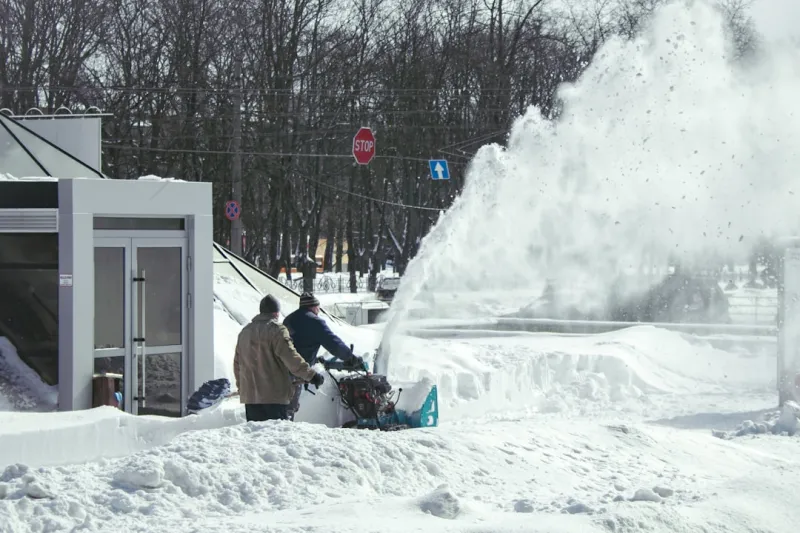
The Snow Removal Revolution: A Sustainable Approach to Winter Maintenance
Learn how to make your snow removal more sustainable with eco-friendly methods, equipment, and prope... Read More
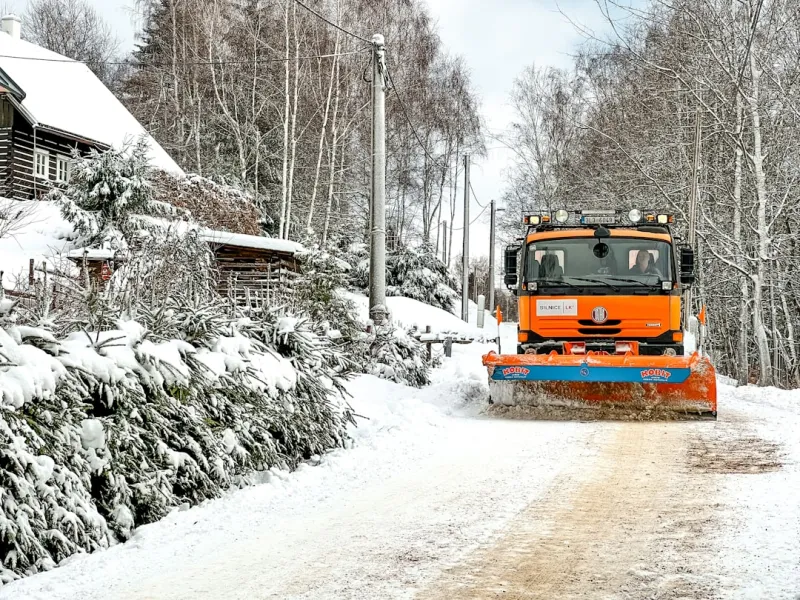
The Importance of Sustainable Snow Removal Practices
Adopt sustainable snow removal practices to minimize your environmental impact. Learn eco-friendly t... Read More
Top Posts

The Hidden Comfort: How Radiant Floor Heating Redefines Modern Living
I’ve swapped out chilly tiles for warm, whisper‑quiet floors and never looked back. Here’s how radiant heating can transform comfort, cut bills, and boost...Read More

Wood Working Wonders: How This Timeless Craft Can Elevate Your Home
Woodworking is a timeless craft that offers endless possibilities for creativity and self-expression. Learn how this craft can elevate your home and discover ti...Read More

The Hidden Economics of Countertop Choices: Value, Durability, and the Bottom Line
A deep dive into the true cost of countertops, covering material selection, maintenance, health implications, integration with building systems, and circularity...Read More
Why General Contractors Must Embrace Digital Twin Technology
Digital twins are reshaping construction by offering real‑time, data‑rich models that improve coordination, cut costs, and accelerate project delivery for g...Read More
0 Comments
Post Comment
You will need to Login or Register to comment on this post!