
Why Weather Proofing Is No Longer a Luxury, It’s a Necessity
When I first started tinkering with home upgrades, the idea of “weather proofing” felt like a niche hobby for the overly cautious. Fast forward a few seasons, and the conversation has shifted dramatically. Unpredictable storms, soaring humidity, and relentless heat waves are no longer occasional headlines—they’re daily realities for homeowners across the country. This new climate normal demands a proactive, tech‑enabled approach to keep our houses comfortable, efficient, and safe.
From Reactive Fixes to Predictive Resilience
For decades, most of us approached weather protection reactively: a leak appeared, we called a plumber; a draft blew in, we stuffed a towel in the window. That mindset works when weather events are rare and mild. Today, the stakes are higher. A single flood can damage structural components, compromise electrical systems, and trigger mold growth that lingers for years. The solution is to shift from reactive patches to predictive resilience. This means using data, sensors, and strategic design choices to anticipate problems before they manifest.
1. Create a Micro‑Climate Shield Around Your Home
Think of your house as an island surrounded by a fluid environment. The first line of defense is the micro‑climate that you can shape with landscaping, grading, and strategic placement of barriers.
- Grading for Drainage: Ensure that the ground slopes away from the foundation at a minimum of 2% for the first 10 feet. This simple geometry guides water downhill, preventing it from pooling at the base of your walls.
- Rain Gardens and Permeable Pavers: These features absorb runoff, reducing the volume that reaches your foundation while adding aesthetic value.
- Windbreaks: Planting rows of evergreen trees or installing lattice screens can cut wind speed by up to 30%, decreasing the pressure on exterior walls and windows during storms.
By managing the environment around the structure, you give the building itself a buffer, reducing the load on its envelope.
2. Upgrade the Building Envelope with Adaptive Materials
The envelope—walls, roof, windows, and doors—acts as the skin that keeps the elements out. Modern materials have evolved far beyond static drywall and single‑pane glass.
- Dynamic Insulation Panels: These panels expand and contract with temperature changes, sealing gaps that would otherwise let air leak.
- Phase‑Change Materials (PCMs): Integrated into walls or ceilings, PCMs absorb excess heat during the day and release it at night, flattening temperature swings.
- High‑Performance Glazing: Triple‑pane glass with low‑emissivity coatings reduces heat gain in summer and heat loss in winter while still letting in natural light.
When combined, these technologies turn a passive barrier into a responsive shield that works with the weather rather than against it.
3. Seal, Seal, Seal—But Do It Smartly
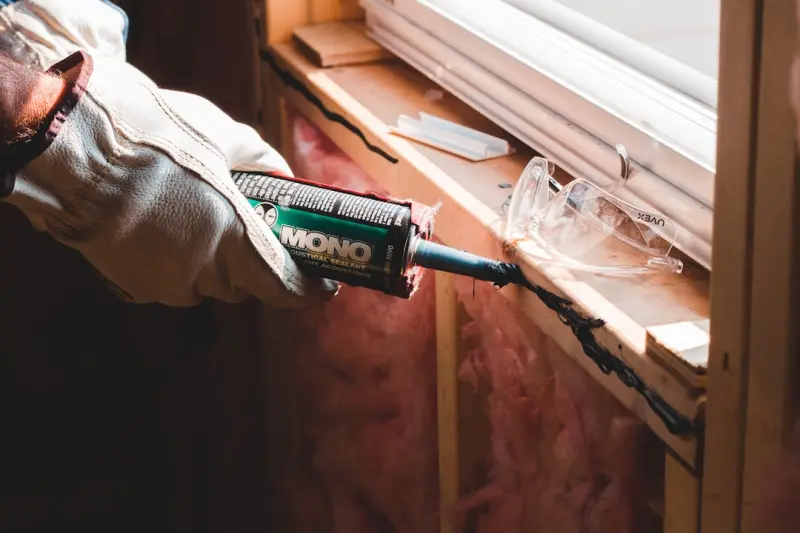
Everyone knows the mantra “seal everything,” but indiscriminate sealing can trap moisture and create hidden mold colonies. The key is targeted sealing, guided by a thorough audit.
Start with a thermal imaging scan to locate cold spots and air leaks. Follow up with a blower‑door test to quantify overall infiltration. These diagnostics reveal the most vulnerable points—often around window frames, recessed lighting, and attic penetrations—so you can prioritize high‑impact sealing.
4. Harness Sensor‑Enabled Monitoring
Imagine a system that alerts you the moment moisture begins to accumulate behind a wall, or when exterior pressure exceeds a safe threshold. That’s the promise of sensor‑enabled monitoring.
- Moisture Sensors: Placed in basements, crawl spaces, and attics, they send real‑time humidity data to your smartphone.
- Pressure Sensors: Mounted on the exterior of the building envelope, they detect wind load spikes that could compromise seals.
- Temperature Gradient Sensors: These track thermal bridges—areas where heat moves quickly through the structure—allowing you to address them before condensation forms.
These devices feed into a centralized dashboard, giving you a weather‑proofing health score that you can track month to month.
5. Integrate Energy Inspection as an Ongoing Service
Traditional energy audits are one‑off events. In a climate where conditions shift rapidly, you need continuous insight. energy inspection as a service provides that continuity. A subscription‑based model supplies regular data points—energy consumption trends, envelope performance metrics, and predictive maintenance alerts—so you can make adjustments before a costly failure occurs.
6. Leverage Predictive Home Inspection Strategies
While many homeowners rely on annual inspections, a more nuanced approach is emerging. human‑focused home inspection strategy blends professional expertise with AI‑driven analytics. Inspectors use drones to capture high‑resolution images of roofs, AI to detect subtle cracks in siding, and predictive models to forecast how current wear will interact with forecasted weather patterns. The result is a roadmap that tells you exactly where to reinforce now to avoid bigger problems later.
7. Smart Ventilation: Breathe Easy, Stay Dry
Ventilation is often the unsung hero of weather proofing. Proper airflow prevents moisture buildup in tight, well‑insulated homes. Modern heat‑recovery ventilators (HRVs) and energy‑recovery ventilators (ERVs) exchange stale indoor air with fresh outdoor air while retaining most of the heat (or cool) you’ve paid to maintain. Pair these with smart controls that adjust airflow based on indoor humidity levels, and you have a system that actively combats condensation without sacrificing comfort.
8. Roofs That Talk Back
The roof is the first line of defense against rain, snow, and UV exposure. New roofing systems incorporate embedded sensors that measure temperature, moisture, and even wind pressure. When a sensor detects an abnormal rise in moisture, it can trigger an alert, prompting you to inspect for a compromised shingle before a leak develops. Some high‑end systems even integrate with smart home hubs, automatically deploying a temporary tarp or adjusting gutter flow to mitigate damage.
9. Gutter and Drainage Innovations
Gutters have traditionally been simple metal troughs. Today, they can be smart gutters with built‑in flow sensors and debris detection. When a blockage is detected, the system can either send a maintenance alert or activate an internal cleaning mechanism. Coupled with larger downspout capacities and splash‑guards, smart gutters ensure water is directed away from the foundation efficiently.
10. The Role of Interior Finishes in Weather Resilience
Even the choice of interior finishes influences how a home handles moisture. Low‑VOC, mold‑resistant paints and water‑repellent drywall compounds provide an extra line of defense against accidental spills or high humidity. In basements, consider closed‑cell spray foam on walls to act as both insulation and a vapor barrier.
11. Maintenance Routines Powered by Data
All the technology in the world won’t help if you don’t act on the information it provides. Develop a maintenance calendar that aligns with the data you collect:
- Quarterly review of sensor dashboards to spot trends.
- Bi‑annual visual inspection of roof, flashing, and sealants.
- Annual professional energy and envelope audit to recalibrate predictive models.
This disciplined approach turns a collection of data points into actionable insights.
12. Cost‑Benefit Perspective: Investing in Resilience
It’s natural to wonder whether these upgrades make financial sense. While upfront costs can be significant, the return on investment (ROI) often manifests in three ways:
- Reduced Utility Bills: Improved envelope performance and smart ventilation can shave 10‑30% off heating and cooling costs.
- Lower Repair Expenses: Early detection of leaks or structural stress prevents catastrophic failures that run into thousands of dollars.
- Increased Property Value: Buyers increasingly prioritize climate resilience. A home equipped with weather‑proofing tech can command a premium in the market.
When you factor in the potential for avoided disaster, the financial argument becomes compelling.
13. A Roadmap for Homeowners Ready to Get Started
Feeling overwhelmed? Break the process into manageable phases:
- Assessment Phase: Conduct a comprehensive envelope audit using thermal imaging and blower‑door tests. Install basic moisture sensors in vulnerable zones.
- Planning Phase: Prioritize upgrades based on risk and ROI. Create a budget that includes both material costs and any service subscriptions (like energy inspection as a service).
- Implementation Phase: Start with high‑impact, low‑cost measures—sealing gaps, installing smart vent fans, upgrading gutter systems. Then move to larger projects like roof sensor integration or adaptive insulation.
- Monitoring Phase: Set up a dashboard that aggregates sensor data, inspection reports, and energy usage. Schedule regular reviews.
- Optimization Phase: Use data trends to fine‑tune HVAC settings, adjust ventilation rates, and plan future upgrades.
By tackling weather proofing as a series of iterative steps, you avoid paralysis and steadily build a resilient home.
14. Future Trends to Watch
The field is evolving rapidly. Keep an eye on these emerging developments:
- AI‑Driven Predictive Modeling: Algorithms that ingest years of climate data to forecast the exact likelihood of roof failure or foundation movement for your specific location.
- Self‑Healing Sealants: Materials that polymerize when exposed to moisture, sealing cracks autonomously.
- Distributed Energy Storage: Home batteries paired with weather‑proofing sensors that can temporarily power critical systems during grid outages caused by storms.
Adopting these innovations early can give you a competitive edge in home resilience.
Conclusion: Weather Proofing as an Ongoing Lifestyle Choice
Weather proofing isn’t a one‑time project; it’s an evolving lifestyle that blends smart technology, strategic design, and disciplined maintenance. By treating your home as a living system that interacts with the environment, you shift from a mindset of “fixing after the fact” to one of “anticipating and adapting.” The payoff is a dwelling that remains comfortable, efficient, and safe—no matter what the sky decides to throw at it.

Tom Ferguson is a Canadian freelance writer with a passion for storytelling, current events, and thoughtful commentary. Drawing on years of writing experience, he shares engaging insights on a wide range of topics, bringing a uniquely Canadian perspective to his work.
Related Posts

Weathering the Storm: A Comprehensive Guide to Home Weather Proofing
Weather proofing your home is crucial for protecting your investment, preventing costly repairs, and... Read More
Dynamic Weatherproofing: Turning Your Home Into a Smart Shield
Learn how to upgrade traditional weatherproofing with flexible membranes and smart IoT systems, crea... Read More

Weathering the Storm: A Comprehensive Guide to Home Weather Proofing
Discover the importance of home weather proofing and learn various methods and techniques to make yo... Read More
Top Posts

The Secret Power of Smart Paint: Turning Your Walls into Active Assets
Smart paint blends nanotech, sensors, and adaptive pigments to turn ordinary walls into health‑monitoring, energy‑saving surfaces, offering homeowners a pro...Read More

The Countertop Revolution: Hybrid Surfaces, Smart Tech, and Sustainable Style
Explore the rise of hybrid countertops, their performance benefits, eco‑friendly credentials, and how smart sensors are turning kitchen surfaces into interact...Read More

Eco‑Friendly Home Painting: A Sustainable Guide for Every DIY Enthusiast
Learn to paint sustainably with low‑VOC paints, waste‑cutting techniques, and eco‑friendly prep tips that boost comfort and reduce your carbon footprint....Read More

Why Bathtub Refinishing Is the Smartest Green Upgrade You’ve Ignored
A deep dive into the environmental, health, and financial benefits of bathtub refinishing, with practical tips for choosing contractors, avoiding DIY pitfalls, ...Read More
0 Comments
Post Comment
You will need to Login or Register to comment on this post!