

From Checklist to Strategy: Reimagining the Home Inspection Experience
When I first walked onto a construction site fresh out of trade school, the home inspection was a straightforward, box‑ticking exercise. Fast‑forward a decade, and the same inspection now feels more like a strategic consultation. Homeowners, buyers, and lenders expect far more than a list of defects; they want insight, foresight, and a roadmap that aligns with long‑term property value. This shift is reshaping how we, as inspectors, prepare, present, and position our findings.
The New Expectation Landscape
Today's buyers are armed with research, online reviews, and a growing awareness of sustainability. Sellers, on the other hand, are looking to maximize resale value and minimize post‑sale negotiations. Both sides demand an inspection that does more than identify what’s broken—it must answer questions like:
- How will this issue affect my energy bills over the next five years?
- What upgrades can I prioritize to boost resale appeal?
- Which hidden risks could become costly insurance claims?
When an inspector can speak to these concerns, the report transforms from a static document into a living, actionable plan.
Tech‑Enabled Tools: Beyond the Flashlight
Technology is the catalyst turning a traditional walkthrough into a data‑rich engagement. Thermal cameras reveal hidden insulation gaps, drones capture roof conditions without the need for ladders, and augmented reality (AR) overlays can illustrate potential remediation scenarios in real time. The smart sensor integration in home restoration movement shows that even after the inspection, embedded sensors can continue to monitor structural health, giving homeowners a continuous pulse on their investment.
Imagine pointing a tablet at a wall and instantly seeing moisture levels, framing the data within the building’s blueprints. The inspector becomes a guide, translating raw numbers into understandable risk profiles. This level of clarity not only builds confidence but also reduces the back‑and‑forth that traditionally drags out the closing process.
Data‑Driven Insights Meet Predictive Care
One of the most powerful outcomes of a modern inspection is the ability to feed findings into predictive models. For instance, an HVAC system that shows early signs of coil fouling can be flagged for predictive HVAC maintenance. By coupling inspection data with AI‑driven analytics, homeowners receive proactive maintenance schedules, extending equipment life and preventing costly breakdowns.
These insights also empower lenders. A property with documented, data‑backed maintenance plans presents a lower risk, often translating into better financing terms. In short, the inspection becomes a financial instrument as much as a safety check.
The Human Element: Building Trust Through Narrative
All the tech in the world can’t replace the need for genuine conversation. The most memorable inspections I’ve conducted were those where I sat down with the homeowner, walked through the report line by line, and painted a picture of “what‑if” scenarios. By framing each finding within the homeowner’s lifestyle—whether they’re a DIY enthusiast or a hands‑off investor—I tailor recommendations that feel personal, not prescriptive.
Using stories also helps demystify jargon. Instead of saying “the vapor barrier is compromised,” I might say, “think of the vapor barrier as the house’s rain jacket; when it’s torn, moisture can seep in, leading to mold that could affect indoor air quality.” This narrative approach bridges the technical and emotional, fostering a partnership rather than a transactional encounter.
Unlocking Hidden Value: From Inspection to Resale Advantage
Beyond immediate repairs, an inspection can serve as a marketing asset. A detailed, well‑documented report—especially one that highlights recent upgrades or the presence of resilient systems—can be featured in listings, giving potential buyers a transparent view of the property’s condition. In competitive markets, this transparency can tip the scales in favor of a seller.
Insurance providers also appreciate thorough documentation. When a claim is filed, a pre‑existing, professional inspection report can expedite the process and often reduce premiums, as insurers view the property as lower risk. Thus, the inspection report becomes a multi‑purpose document: a repair guide, a sales brochure, and an insurance facilitator.
Practical Steps for Inspectors to Elevate Their Service
To transition from a checklist mindset to a strategic advisory role, consider the following roadmap:
- Invest in portable tech. A high‑resolution thermal camera, a drone with a stable gimbal, and a tablet equipped with AR software are now cost‑effective tools that differentiate your service.
- Standardize data capture. Use cloud‑based forms that auto‑populate into a central database, enabling easy integration with predictive maintenance platforms.
- Develop a narrative framework. Create templates that guide you in translating technical findings into homeowner‑centric stories, complete with cost‑benefit analyses.
- Partner with specialists. Build relationships with energy auditors, structural engineers, and smart‑home installers so you can refer clients to trusted experts, reinforcing your role as a hub of knowledge.
- Offer post‑inspection monitoring. Leverage the data hub potential of modern flooring and other embedded sensors to provide ongoing health checks, turning a one‑time service into a subscription model that benefits both you and the homeowner.
Future‑Proofing the Inspection Industry
The next wave will likely see inspection data feeding directly into city‑wide building health dashboards, informing municipal code updates and community resilience planning. As standards evolve, inspectors who have already embraced data analytics will find themselves at the forefront of shaping policy.
Moreover, as more homes become “smart,” the line between inspection and system integration blurs. An inspector might soon be tasked with verifying that a home’s fire‑suppression sensors are correctly calibrated, or that a water‑leak detection network is properly networked. The skill set will expand, but the core promise remains the same: delivering peace of mind through informed, actionable insight.
Conclusion: The Inspection as a Strategic Conversation
Home inspection is no longer a mere compliance step; it’s a strategic conversation that can influence financial outcomes, health, and long‑term sustainability. By marrying cutting‑edge technology with empathetic storytelling, inspectors can become trusted advisors, turning each report into a catalyst for smarter decisions. The future belongs to those who see the inspection not as an endpoint, but as the beginning of a home’s performance journey.

Paul Gray is a dynamic blogger based in Brampton, where he shares his life with his amazing wife, Sarah. Known for his engaging writing style and relatable insights, Paul has carved out a niche in the blogging world that resonates with readers from all walks of life. When he's not crafting captivating posts, you can find him savoring a cold beer or indulging in the latest blockbuster movie. With a friendly demeanor and a passion for storytelling, Paul brings a unique perspective to his work, making him not just a blogger, but a voice for those who appreciate the simple joys of life.
Related Posts
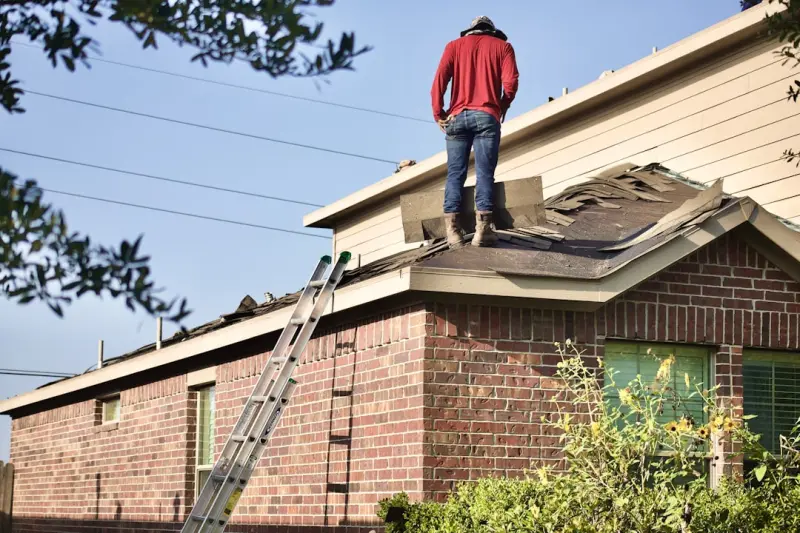
Beyond the Checklist: A Human‑Focused Home Inspection Strategy for Resilient Living
A human‑centric home inspection goes beyond ticking boxes, uncovering hidden health risks, climate... Read More

The Green Home Inspection: A Comprehensive Guide to Sustainable Living
A green home inspection is crucial for identifying areas where your home can be more sustainable. Le... Read More

The Critical Role of Sustainable Practices in Home Inspections: A Comprehensive Guide
A comprehensive home inspection should consider sustainable practices, energy efficiency, and enviro... Read More
Top Posts

Revamping Your Home's Aesthetic: A Comprehensive Guide to Interior Design
Discover the art of interior design and learn how to revamp your home's aesthetic with our expert guide. Get inspired and create a space that's truly yours....Read More

Solar Communities: Harnessing Sunlight for Shared Resilience
A fresh look at solar energy shows that when households band together—using microgrids, peer‑to‑peer trading, and intelligent design—the sun becomes a s...Read More

Designing for the Senses: A New Era of Experiential Interiors
A deep dive into sensory‑first interior design, blending biophilic principles, acoustic comfort, textile storytelling, and flexible layouts to create immersiv...Read More
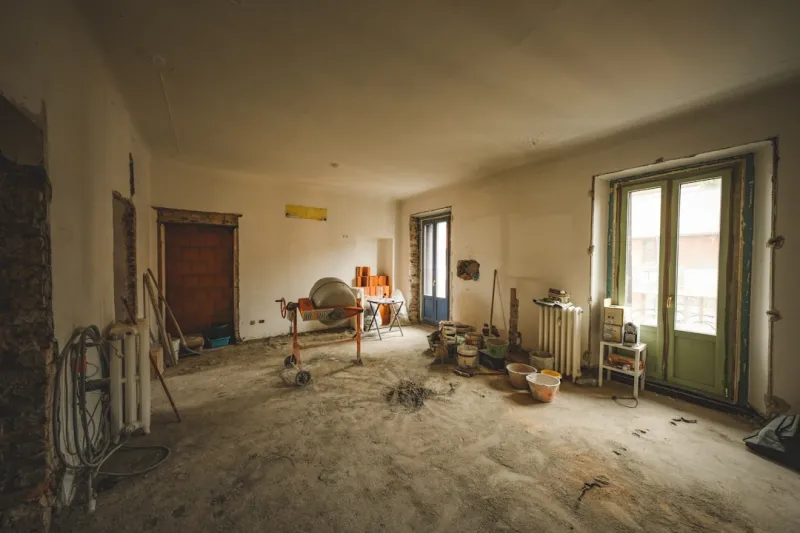
The Role of Flooring in Sustainable Home Restoration
Flooring plays a significant role in sustainable home restoration. Learn about eco-friendly options, benefits, and tips for making environmentally responsible c...Read More
0 Comments
Post Comment
You will need to Login or Register to comment on this post!