
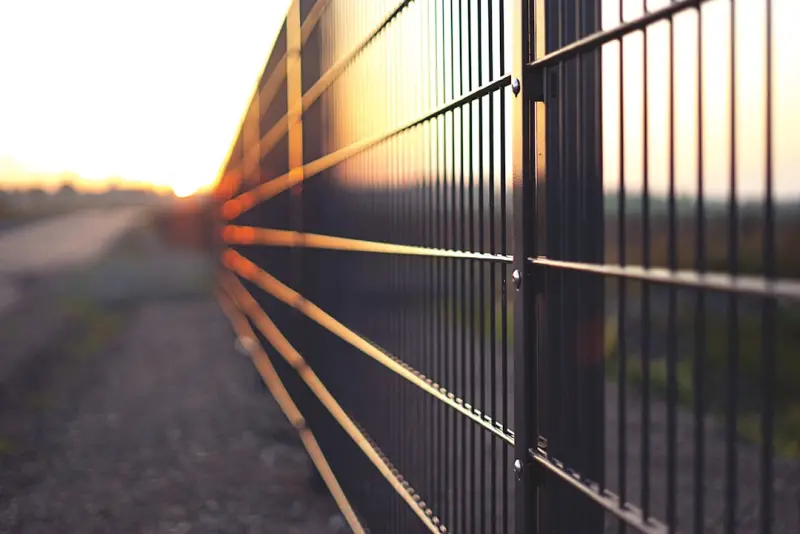
Why Fencing Is No Longer Just a Boundary
When I first started advising property owners, a fence was a fence – a simple wooden picket line that kept the neighbor’s dog out and gave a modest sense of privacy. Fast forward a few years, and the conversation has shifted dramatically. Modern fencing is now a crossroads of security technology, sustainable design, and lifestyle branding. It’s not just about keeping people or pets on one side of a line; it’s about shaping how a space feels, performs, and even contributes to the environment.
The Rise of Smart Fencing
We’ve all heard the hype around smart locks and video doorbells, but smart fencing is the next logical frontier. Imagine a perimeter that can:
- Detect intrusions with vibration sensors and trigger a silent alarm.
- Adjust lighting based on motion, creating a welcoming glow for family members and a deterrent for unwanted guests.
- Integrate with home automation platforms to lock or unlock gates remotely, sync with security cameras, and even report battery health to your phone.
These capabilities echo the principles in low‑profile alarm solutions, but they’re embedded directly into the fence’s structure, eliminating the need for separate devices that can be tampered with or overlooked.
Materials Matter: From Reclaimed Wood to Recycled Composites
Environmental stewardship is no longer a niche concern; it’s a mainstream expectation. Homeowners and businesses alike are demanding fences that do more than just look good. Here are three material trends reshaping the market:
- Reclaimed timber: Salvaged wood from old barns or decommissioned structures offers a weathered aesthetic while keeping virgin lumber out of the supply chain. Each board tells a story, adding character to the property.
- Recycled polymer composites: Made from post‑consumer plastics and natural fibers, these panels resist rot, insects, and UV degradation. They’re lightweight, easy to install, and can be manufactured in a spectrum of colors.
- Living fences: Vertical gardens that double as privacy screens. By integrating hardy vines like Boston Ivy or Climbing Hydrangea, you gain insulation benefits, improve air quality, and create a dynamic visual element that changes with the seasons.
Choosing sustainable materials isn’t just a feel‑good decision; it can also improve a property’s resale value. Green certifications and energy‑efficiency ratings often factor in landscaping and exterior features, and a well‑designed fence can tip the scales.
Design as Identity: Customization for Brand and Lifestyle
Commercial properties are using fences as a canvas for brand storytelling. A boutique winery might install a hand‑crafted wrought‑iron fence etched with its logo, while a tech campus could opt for sleek, minimalistic metal panels that echo the company’s modern aesthetic. Residential owners are doing the same on a personal scale—selecting designs that reflect heritage, hobbies, or even travel experiences.
Customization isn’t limited to visual flair. Modular fence systems allow for easy reconfiguration. Need a larger opening for a new driveway? Swap out a few panels without tearing down the entire structure. This flexibility mirrors the adaptable mindset promoted in adaptive reuse strategies, but applied to the perimeter rather than interior spaces.
Privacy vs. Connectivity: Striking the Right Balance
One of the most common debates among property owners is how to maintain privacy without feeling isolated. The answer lies in smart design:
- Laser‑cut patterns: These create artistic gaps that let light and air pass while still obscuring direct sightlines.
- Integrated speaker systems: Background music or ambient soundscapes can be embedded within the fence posts, turning a barrier into a sensory experience.
- Wi‑Fi extenders: Certain fence models now house discreet antennae, ensuring strong signal coverage across the entire yard without unsightly routers.
These solutions echo the principles in DIY home repair mastery, empowering owners to take control of both function and aesthetics without constantly calling a contractor.
Safety First: Integrating Physical and Digital Defenses
Physical barriers have always been a cornerstone of security, but the modern threat landscape demands layered protection. A fence that can:
- Trigger a low‑profile alarm when a gate is forced.
- Send real‑time alerts to a mobile device, complete with video snapshots.
- Log entry and exit times for employees in a commercial setting, providing valuable data for compliance audits.
These features complement, rather than replace, traditional security measures. The goal is to create a cohesive ecosystem where the fence is the first line of defense, feeding information to the broader security network.
Cost Considerations: Budgeting for Longevity
While high‑tech fences can carry a premium upfront, the long‑term ROI is compelling. Consider these cost‑saving angles:
- Reduced maintenance: Composite materials don’t need staining or sealing, cutting annual upkeep costs.
- Energy savings: Living fences provide natural insulation, potentially lowering heating and cooling bills.
- Insurance discounts: Many insurers offer lower premiums for properties equipped with integrated security systems, including smart fencing.
When you factor in these benefits, the total cost of ownership often aligns closely with or even undercuts traditional wood fencing over a 10‑year horizon.
Installation Insights: What to Expect
Even the most advanced fence requires solid groundwork. Here’s a quick checklist to keep your project on track:
- Site survey: Identify underground utilities, drainage patterns, and soil stability. This step mirrors the proactive approach highlighted in proactive property care.
- Permit acquisition: Local zoning codes dictate height limits and materials for certain neighborhoods.
- Foundation preparation: Concrete footings or compacted gravel beds ensure the fence can withstand wind loads and impact.
- Material selection: Choose based on climate, aesthetic goals, and maintenance preferences.
- Smart integration: Install sensors, wiring, and control panels before the final panels are set.
- Final inspection: Verify alignment, operation of any electronic components, and compliance with local ordinances.
Working with an experienced installer who understands both the physical and digital aspects of modern fencing can streamline the process and avoid costly retrofits.
Future Outlook: What’s Next for Fencing?
The next wave of innovation is already on the horizon. Researchers are experimenting with energy‑harvesting fences that capture kinetic energy from wind or foot traffic to power integrated sensors. Others are exploring transparent conductive polymers that could turn a glass fence into a touch‑responsive interface.
While these concepts sound futuristic, they reinforce a central truth: fencing will continue to evolve as a hybrid of architecture, technology, and ecology. The fence of tomorrow will be as much a data conduit as it is a physical barrier, and it will do so while looking better than ever.
Takeaway: Treat Your Fence as a Strategic Asset
Whether you’re a homeowner looking to boost curb appeal, a business aiming to reinforce brand identity, or a property manager focused on security and sustainability, your fence should be viewed through a strategic lens. By embracing smart technology, sustainable materials, and thoughtful design, you turn a simple perimeter into a multifunctional asset that pays dividends in safety, aesthetics, and value.

Paul Gray is a dynamic blogger based in Brampton, where he shares his life with his amazing wife, Sarah. Known for his engaging writing style and relatable insights, Paul has carved out a niche in the blogging world that resonates with readers from all walks of life. When he's not crafting captivating posts, you can find him savoring a cold beer or indulging in the latest blockbuster movie. With a friendly demeanor and a passion for storytelling, Paul brings a unique perspective to his work, making him not just a blogger, but a voice for those who appreciate the simple joys of life.
Related Posts

Sustainable Fencing: A Green Perspective from Veteran Contractor Paul Gray
Paul Gray shares his expert take on eco‑friendly fencing, covering green materials, smart design, ... Read More

Connected Fencing: How IoT Redefines Perimeter Management for Modern Enterprises
A fence is no longer just a barrier. Learn how connected fencing leverages sensors, solar power, and... Read More
Eco-Friendly Fencing: A Sustainable Approach to Home Security and Aesthetics
Eco-friendly fencing is a great way to enhance your home's security, aesthetics, and sustainability.... Read More
Top Posts
Sustainable Waterproofing: Green Solutions for Long‑Lasting Home Protection
Explore how eco‑friendly waterproofing can safeguard your home, lower your carbon footprint, and integrate with smart maintenance for lasting protection, all ...Read More
Transform Your Basement Into a Sustainable Smart Living Hub
Learn the step‑by‑step process to revamp your basement with sustainable materials, smart lighting, and multi‑purpose zones, creating a comfortable, energy...Read More
From Dark to Dynamic: Leveraging Basement Renovations for Scalable Business Spaces
Basements are often overlooked, but with modular construction, data‑driven comfort, and strategic design they can become powerful, cost‑effective spaces tha...Read More

The Sustainable Awning Revolution: A Game-Changer for Eco-Friendly Homes
The sustainable awning revolution is a game-changer for eco-friendly homes. Learn about the environmental benefits, energy efficiency, and cost savings of susta...Read More
0 Comments
Post Comment
You will need to Login or Register to comment on this post!