
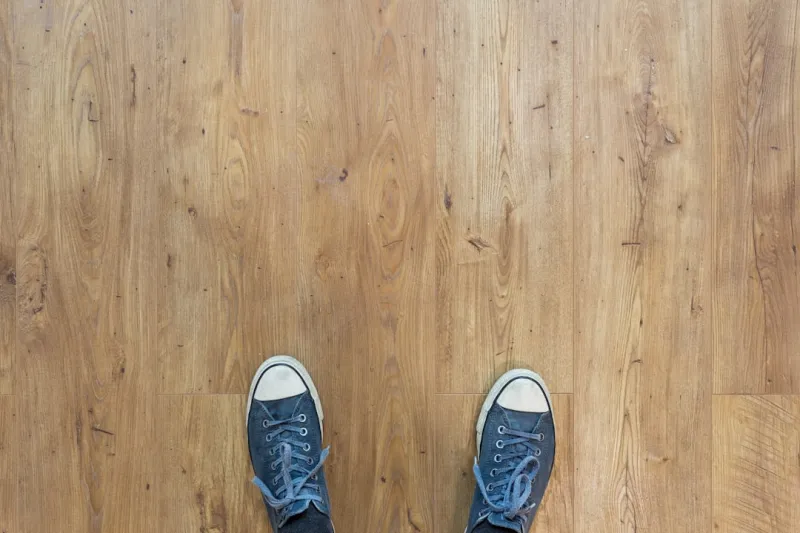
Why Flooring Is the Unsung Hero of Home Design
When I first walked into a newly renovated house, the moment I felt the floor beneath my shoes, I knew the space had been transformed before I even saw the paint colors or the furniture layout, because flooring sets the tone for every room and silently dictates how we move, breathe, and relax; the grain of reclaimed oak, the coolness of polished concrete, or the gentle give of cork each tells a story about the homeowner’s priorities and personality, and that story begins the instant you step inside. Over the past few years I’ve watched a seismic shift from purely aesthetic choices to decisions rooted in durability, health, and the planet’s future, and I’ve learned that the most compelling floors are those that marry beauty with purpose, turning a simple surface into a sustainable statement piece that can endure children’s scuffs, pet tracks, and the occasional clumsy dance party. As a seasoned renovator, I now approach each project with a checklist that starts not with color palettes but with an assessment of foot traffic patterns, climate considerations, and the long‑term environmental impact of the materials I recommend, because the floor is the foundation of lived experience.
The Rise of Sustainable Flooring Materials
One of the most exciting developments I’ve witnessed is the mainstream adoption of sustainable flooring options that were once relegated to niche markets, such as bamboo sourced from responsibly managed forests, reclaimed hardwood salvaged from old barns, and low‑emission engineered stone that mimics marble without the quarry’s carbon footprint; these choices not only reduce the depletion of virgin resources but also often come with certifications that guarantee low volatile organic compound (VOC) emissions, meaning they keep indoor air cleaner for families with allergies or asthma. In my recent deep‑dive into the world of concrete, I discovered that modern mixes can be formulated with recycled aggregates and supplementary cementitious materials, a revelation detailed in Concrete Trends and Sustainable Strategies for the Modern Home, which shows how a floor can be both industrially chic and environmentally responsible, especially when paired with radiant heating that cuts energy use dramatically. Equally compelling is the story of a homeowner who turned a cracked driveway into a gorgeous, permeable patio—a transformation I chronicled in Sustainable Pavements Journey, proving that recycled concrete pavers can become elegant indoor flooring when sealed properly, offering a tactile, stone‑like surface that ages gracefully while sequestering carbon.
Choosing the Right Floor for Your Lifestyle
Every household has a unique rhythm, and the “right” floor must complement that rhythm, whether you’re a culinary enthusiast spending hours on a kitchen island, a remote worker who needs a quiet, cushioned space for video calls, or a pet lover who expects resilience against claws and accidents; in my practice I start by mapping out the zones of highest wear and then matching them with materials that excel in those conditions, such as luxury vinyl plank for moisture‑prone bathrooms, or thick cork tiles in living rooms where a soft underfoot feel can double as natural sound insulation. I also advise clients to consider the long‑term maintenance cycle, because a beautiful floor can quickly become a headache if the cleaning regimen is too demanding or the finish wears out after a few years, which is why I often suggest engineered hardwood with a high‑density wear layer that can be sanded and refinished, extending its lifespan and reducing waste—a principle echoed in the Sustainable Window Treatments guide where the author stresses the value of selecting components that evolve with the home rather than become obsolete.
Underfoot Comfort and Health Benefits
Beyond aesthetics, the floor you choose directly influences indoor air quality and occupant health, especially when you opt for products that are free of harmful chemicals and that can regulate humidity; cork, wool, and linoleum are excellent examples of natural, breathable materials that absorb excess moisture, release it slowly, and resist mold growth, making them ideal for basements or homes in humid climates where traditional carpet can become a breeding ground for allergens. Moreover, these softer surfaces provide a degree of impact absorption that reduces joint strain during long periods of standing—a subtle yet significant advantage for chefs, artisans, and parents who spend countless hours on their feet, and they also contribute to acoustic comfort by dampening footfall noise, which is a blessing in open‑plan homes where sound travels quickly. By selecting flooring with a low VOC rating and a high recycled content, you not only improve the immediate living environment but also contribute to a healthier planet, a win‑win that aligns perfectly with the growing consumer demand for responsible home solutions.
DIY Renovation Strategies for Budget‑Savvy Homeowners
When I first started tackling flooring projects on my own, I quickly learned that a well‑planned DIY approach can save thousands while delivering professional‑grade results, provided you respect the fundamentals of subfloor preparation, moisture testing, and precise layout planning; I always begin with a thorough inspection of the existing subfloor, leveling any low spots with self‑leveling compound and sealing any cracks, because an imperfect base will betray even the most expensive surface material with premature wear or squeaks. Leveraging resources like The Ultimate Renovation Checklist helps keep the project on track, ensuring you don’t overlook critical steps such as acclimating wood planks to the room’s temperature for at least 48 hours, using moisture‑resistant underlayment where needed, and employing a proper expansion gap around the perimeter to allow for seasonal movement. I also recommend allocating a modest contingency budget for unexpected surprises—like discovering hidden pest damage or needing to replace a damaged joist—so the project stays on schedule and the final floor feels like a seamless extension of the home’s design rather than a patched‑together afterthought.
Integrating Flooring with Sustainable Home Systems
Modern homes increasingly feature smart heating, cooling, and ventilation systems that can be optimized when paired with the right flooring, and I’ve observed that radiant floor heating works exceptionally well with stone, tile, and engineered wood, delivering consistent warmth while allowing the thermostat to stay set lower, which translates to measurable energy savings and a cozier indoor climate during winter months; conversely, highly insulated cork or carpet can help retain heat in colder zones, reducing the load on central HVAC units and cutting utility bills. In addition, incorporating renewable energy sources such as solar panels becomes more efficient when the building envelope, including flooring, is designed to minimize thermal bridging and heat loss, creating a holistic sustainability loop where each element reinforces the others, a concept I explored in depth during my work on a “green garage” conversion featured in Transforming a Simple Garage. By viewing the floor not as an isolated finish but as an integral component of the home’s energy strategy, homeowners can achieve a level of performance that feels both luxurious and environmentally responsible.
Maintenance Tips to Prolong the Life of Your Floor
Even the most durable floor will degrade over time without proper care, so I always share a concise maintenance routine that balances effectiveness with ease, focusing on regular sweeping or vacuuming with a soft brush attachment to remove grit that can act like sandpaper, followed by a damp‑mop using a pH‑neutral cleaner specifically formulated for the material, whether it’s a hardwood floor cleaner that protects the finish or a stone‑safe solution that prevents etching. For high‑traffic areas, I recommend placing protective mats or area rugs that can be laundered or replaced, which not only shields the surface from scratches but also adds a decorative layer that can be swapped out seasonally without compromising the floor’s integrity. Lastly, schedule a professional inspection every few years to assess wear layers, reseal finishes where needed, and address any subtle shifts in subfloor stability, because early intervention can extend the floor’s lifespan by decades, preserving both its aesthetic appeal and its contribution to the home’s overall sustainability profile.
Looking Ahead: The Future of Flooring Innovation
As technology advances, I’m excited to see emerging flooring solutions that incorporate recycled ocean plastics, bio‑based polymers, and even embedded sensors that monitor humidity, temperature, and foot traffic, turning the floor into a smart platform that can alert homeowners to potential leaks or structural issues before they become costly repairs, a development that aligns perfectly with the broader push toward connected, resilient homes. Meanwhile, designers are experimenting with hybrid materials that blend the tactile warmth of wood with the durability of metal or glass, creating visually striking surfaces that challenge traditional notions of what a floor should look like while still meeting stringent sustainability criteria set by certifications such as LEED and BREEAM. In my own projects, I plan to continue championing flooring choices that honor both the environment and the human experience, because when we walk on a floor that feels good, looks great, and leaves a lighter carbon footprint, we’re literally stepping into a more responsible future.

Tom Ferguson is a Canadian freelance writer with a passion for storytelling, current events, and thoughtful commentary. Drawing on years of writing experience, he shares engaging insights on a wide range of topics, bringing a uniquely Canadian perspective to his work.
Related Posts
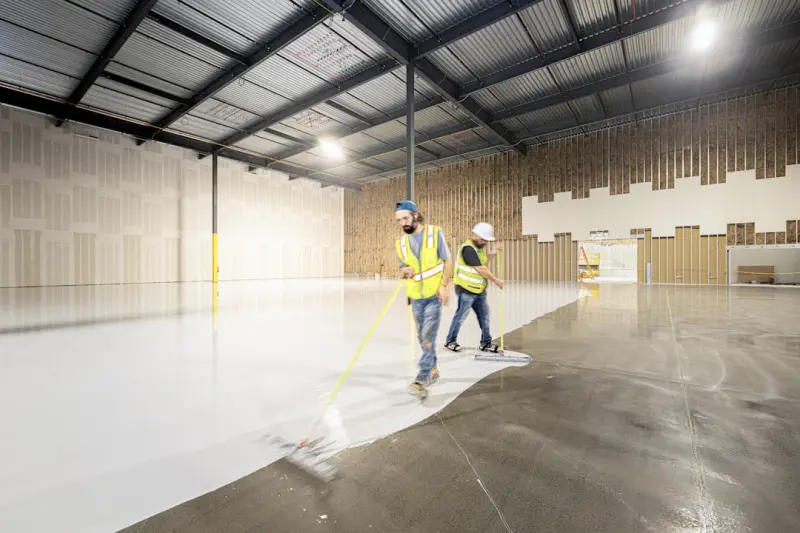
Reconfigurable Flooring: The Unsung Hero of Hybrid Workplaces
Reconfigurable flooring offers a flexible, sustainable, and brand‑enhancing solution for modern hy... Read More

How Adaptive Flooring Fuels Agile Workspaces
Adaptive flooring blends material science, IoT data, and modular design to boost productivity, wellb... Read More
Flooring Futures: Materials That Boost Comfort, Style, and Sustainability
A fresh look at flooring choices that prioritize health, sustainability, and style, offering practic... Read More
Top Posts

From Showpiece to Food Source: Transforming Your Landscape into a Sustainable Harvest
Learn how to redesign your landscape for food, wildlife, and water efficiency, creating a beautiful, sustainable garden that feeds both family and ecosystem....Read More

Adaptive Waterproofing: Turning Barriers Into Living Defenses
Traditional waterproofing is static; adaptive waterproofing uses smart membranes with sensors and actuation layers to detect and respond to water in real time, ...Read More
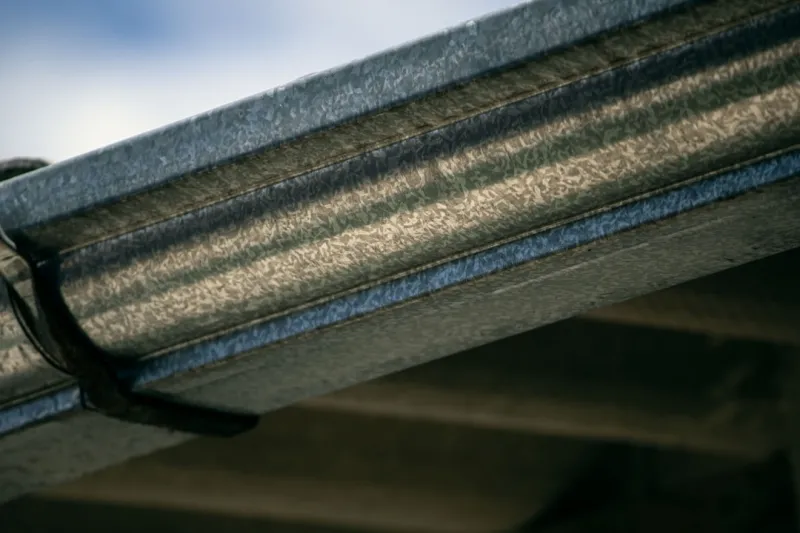
The Importance of Sustainable Gutter Systems
Sustainable gutter systems are crucial for maintaining your home's integrity and sustainability. Learn about eco-friendly gutter materials, benefits, and instal...Read More

A Practical Guide to Home Electrical Upgrades for Safety and Future‑Proofing
Learn how to evaluate your electrical panel, add safety devices, and plan for EV chargers and batteries—all while keeping your home safe and ready for future ...Read More
0 Comments
Post Comment
You will need to Login or Register to comment on this post!