
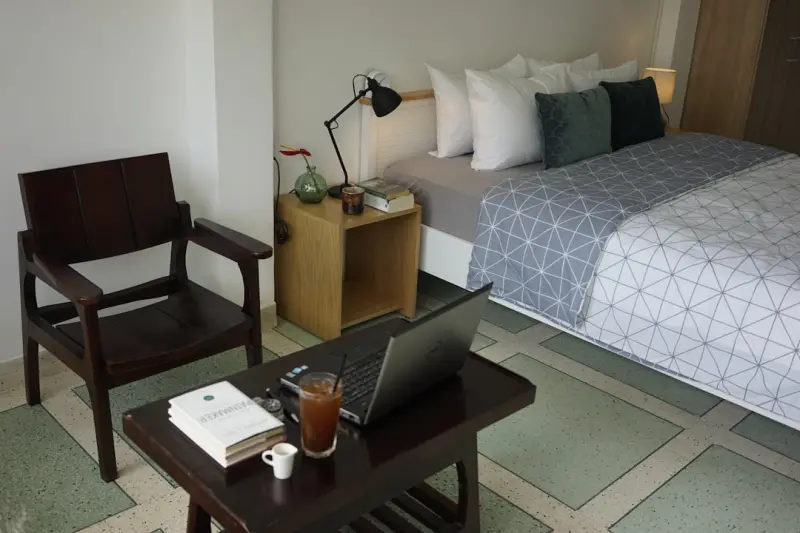
Why a Flexible Guest Suite Is the Smartest Home Addition
When a family’s needs shift—whether it’s accommodating an aging parent, creating a dedicated workspace, or generating rental income—a flexible guest suite becomes a silent workhorse that pays dividends. Designing for adaptability means the space can evolve without a full‑scale remodel, preserving both time and money. By treating the addition as a multi‑purpose envelope, you embed resilience directly into the home’s DNA, ensuring that every square foot can pivot to meet tomorrow’s challenges.
Planning the Space: From Footprint to Flow
Start by mapping how the new room will interact with existing circulation paths; a well‑placed entry reduces hallway congestion and keeps the main living areas private. Consider a modest footprint—perhaps 350 to 500 square feet—that allows for a bedroom, modest bathroom, and flexible zone for a desk or yoga mat. The key is to keep the layout open enough that furniture can be rearranged, yet defined enough to feel intimate, creating a seamless transition between public and private realms.
Choosing Materials That Age Gracefully
Opt for natural finishes that develop character over time; reclaimed wood flooring, low‑VOC paints, and stone accents not only look timeless but also improve indoor air quality. Durable surfaces such as engineered hardwood can handle foot traffic and occasional spills, while still providing a warm aesthetic that complements the main house. By selecting materials that require minimal upkeep, you free up resources for future upgrades instead of constant maintenance.
Integrating Sustainable Systems Without Overcomplicating
A well‑insulated envelope paired with high‑efficiency windows cuts heating and cooling loads, making the suite energy‑neutral even before adding solar panels. Install a heat‑recovery ventilation unit to ensure fresh air circulation while retaining temperature, and consider a small tankless water heater to meet the suite’s demand without oversizing the main system. These modest upgrades collectively shrink the utility bill and future‑proof the addition against tightening energy codes.
Navigating Local Regulations With Confidence
Before drawing up plans, consult your municipality’s guidelines on accessory dwelling units, setbacks, and occupancy limits; this prevents costly revisions mid‑project. Our construction permits guide breaks down the approval process into bite‑size steps, helping you stay on schedule. By aligning early with officials, you turn a potential roadblock into a clear pathway, keeping momentum and budget intact.
Budget Strategies: Getting More Bang for Your Buck
Leverage bulk purchasing for lumber and fixtures, and schedule trades during off‑peak seasons when labor rates dip. Embrace a phased approach: complete the shell and core first, then add finishes as cash flow allows, ensuring the suite remains usable even during later stages. Smart budgeting also means prioritizing long‑term value—invest in a high‑quality exterior door that boosts curb appeal and security while lasting decades.
Future‑Proof Features That Add Long‑Term Value
Integrate smart home infrastructure—such as Wi‑Fi thermostats and keyless entry—so the suite can operate autonomously whether it’s rented out or used by relatives. Include conduit pathways for future upgrades like electric vehicle charging or additional solar arrays, eliminating the need for disruptive wall cuts later. By embedding these forward‑thinking elements now, you create a space that remains relevant as technology and lifestyle trends evolve.
Final Checklist Before Breaking Ground
Confirm that structural calculations satisfy both the existing foundation and the new load, then cross‑verify all design decisions with your chosen contractor. Review the project timeline, ensuring milestones for framing, utilities, and finishes are realistic and include buffer days for unforeseen delays. Finally, walk through the plan with family members to gauge functional flow and make any last‑minute tweaks—because a well‑planned addition starts with a shared vision.

Paul Gray is a dynamic blogger based in Brampton, where he shares his life with his amazing wife, Sarah. Known for his engaging writing style and relatable insights, Paul has carved out a niche in the blogging world that resonates with readers from all walks of life. When he's not crafting captivating posts, you can find him savoring a cold beer or indulging in the latest blockbuster movie. With a friendly demeanor and a passion for storytelling, Paul brings a unique perspective to his work, making him not just a blogger, but a voice for those who appreciate the simple joys of life.
Related Posts
Designing a Home Addition That Grows With You
A future‑flex home addition blends adaptable design, smart infrastructure, and biophilic elements ... Read More
Sustainable Home Additions: A Guide to Building a Greener Future
Learn how to create a sustainable home addition that reduces your environmental impact and enhances ... Read More
Creating a Multi‑Generational Home Addition That Works for Everyone
A multi‑generational home addition blends accessibility, flexibility, and smart design to keep fam... Read More
Top Posts

From Reactive to Revenue: Reimagining Property Maintenance
This post shows how property managers can shift from reactive repairs to a strategic, data‑driven maintenance model that delights tenants, cuts costs, and cre...Read More

From Heat Maps to Digital Twins: The Next Evolution in Energy Inspection
A deep dive into how sensor‑rich envelopes, digital twins, AI, and drone thermography are reshaping energy inspection from periodic audits to continuous, data...Read More

Smart Fencing: Merging Design, Sustainability, and IoT for the Modern Home
Explore the rise of intelligent fencing that blends eco‑friendly materials, sleek design, and IoT tech, turning a simple boundary into a smart, sustainable ho...Read More

Listening to the Leaves: How Data-Driven Tree Care is Redefining Urban Green Spaces
A deep dive into how modern sensors, AI analytics, and community engagement turn traditional tree maintenance into a proactive, data‑driven practice that enha...Read More
0 Comments
Post Comment
You will need to Login or Register to comment on this post!