

Why Foundations Need a Brain, Not Just a Footprint
When most people think about construction, the spotlight shines on the façade, the interiors, or the glittering tech that makes a building “smart.” Rarely do we hear the same excitement for the part of a structure that never gets a camera angle: the foundation. As someone who’s spent the last decade digging into the nitty‑gritty of ground‑level engineering, I’ve learned that the foundation is the most strategic asset a building can have—if we treat it as more than a static slab of concrete.
The Old Paradigm: “Build It and Forget It”
For years, the industry’s mantra was simple: design a robust foundation, pour it, and move on. The underlying assumption was that once the concrete cured, the job was done. This mindset worked when construction schedules were short, materials were plentiful, and the climate was predictable. But today, three forces are converging to shatter that complacency:
- Climate volatility. Floods, seismic events, and extreme temperature swings are no longer outliers; they’re becoming the rule.
- Data‑driven decision making. Facility managers demand real‑time insights into every asset, from HVAC to parking structures.
- Sustainability pressures. Carbon accounting now starts at the moment you break ground, not when you hand over the keys.
When you overlay these trends, the old “set it and forget it” foundation strategy quickly reveals its cracks.
Enter the Era of “Responsive Foundations”
What if the foundation could talk to the building, the site, and the broader ecosystem? Not in a sci‑fi sense, but with sensors, AI‑enabled analytics, and modular construction techniques that let you adjust the sub‑structure over a building’s lifecycle. I call this the Responsive Foundation—a system that senses, learns, and adapts.
Key Pillars of a Responsive Foundation
- Embedded Sensing Networks. Low‑power strain gauges, humidity sensors, and micro‑seismic detectors are now small enough to be placed directly into concrete forms. These devices transmit data to a cloud platform where machine‑learning models flag anomalies before they become costly repairs.
- Modular Sub‑Structure Elements. Think of prefabricated foundation “blocks” that can be swapped out or reinforced in situ. This approach mirrors the modularity we see in modern wall systems but applies it below grade.
- Predictive Maintenance Algorithms. By feeding sensor data into predictive models, operators can schedule reinforcement, drainage upgrades, or even foundation retrofits months in advance, turning surprise failures into planned interventions.
- Carbon‑Optimized Material Mixes. Advances in low‑carbon cement and geopolymer additives allow us to design a foundation that not only meets structural requirements but also contributes to a building’s net‑zero goals.
How Sensors Turn Slab Into a Living Dashboard
Imagine walking onto a construction site and seeing a dashboard that reads, “Compression stress: 2.3 MPa (within tolerance) – Moisture content: 4.5% (stable) – Micro‑seismic activity: 0.02 g (nominal).” This isn’t a futuristic fantasy; it’s happening now in pilot projects across the globe. Sensors embedded during the pour transmit data via LoRaWAN or NB‑IoT, ensuring a low‑power, long‑range connection that can survive the harsh underground environment.
These data streams feed into a digital twin of the foundation—a virtual replica that mirrors real‑world conditions. When the model detects a trend—say, rising moisture levels that could lead to frost heave—it triggers an alert, suggesting targeted drainage improvements before any surface cracking occurs.
Modular Foundations: From “One‑Size‑Fits‑All” to “Fit‑For‑Future”
Traditional foundations are monolithic. Once poured, they’re difficult to modify without extensive excavation. Modular foundation systems, however, break the slab into interlocking units—each with its own reinforcement cage, sensor suite, and even built‑in energy harvesting capabilities (like piezoelectric tiles that generate micro‑power from foot traffic).
This modularity offers three practical benefits:
- Speed. Prefabricated units can be delivered and assembled on site in days, shaving weeks off the construction schedule.
- Flexibility. As a building’s function evolves—think a warehouse converting into a data center—the foundation can be reinforced or re‑configured without a full demolition.
- Resilience. In seismic zones, individual modules can be designed to absorb and dissipate energy, reducing overall structural strain.
Carbon‑Smart Concrete: The Quiet Hero
If you’ve read Concrete’s Quiet Revolution, you know that the industry is already experimenting with low‑carbon binders and recycled aggregates. The same innovations apply to foundations. By substituting up to 30% of Portland cement with fly ash or slag, we can cut embodied carbon without compromising compressive strength.
Moreover, the use of self‑healing concrete—which incorporates micro‑capsules of healing agents—means that micro‑cracks can seal themselves, extending the service life of the foundation and reducing the need for costly repairs.
Case Study: A Data Center That Grew With Its Foundation
One of my recent collaborations was with a regional data center looking to double its footprint over a ten‑year horizon. Rather than committing to a traditional monolithic slab, we designed a modular foundation composed of 3 m × 3 m reinforced blocks, each embedded with a sensor suite. The initial installation covered the existing 5,000 sq m footprint, but the layout allowed for seamless expansion in 1,000 sq m increments.
During the first year, the sensor data revealed a subtle increase in sub‑soil moisture during the rainy season. Our predictive model suggested a targeted drainage upgrade, which we executed during a scheduled maintenance window. The result? Zero settlement incidents and a 12% reduction in cooling load, as the stable foundation maintained optimal floor flatness for the chilled water distribution system.
From Foundation to Energy Hub
Another emerging trend is integrating renewable energy components directly into the foundation. For example, thin‑film solar panels can be laminated onto the underside of foundation slabs that receive daylight—think parking structures with open‑air foundations. Additionally, geothermal loops can be pre‑installed within the foundation’s footprint, turning the slab into a heat‑exchange platform that serves both heating and cooling loads.
These integrations not only improve a building’s energy profile but also create a revenue stream: excess solar generation can be fed back into the grid, and the geothermal system can be leveraged for district heating, turning the foundation into a community asset.
Risk Management: Turning Uncertainty Into Opportunity
Every construction project carries risk—budget overruns, schedule delays, or unexpected site conditions. By embedding intelligence at the ground level, we add a new layer of risk mitigation:
- Early Warning Systems. Real‑time sensor data provides early detection of settlement, moisture ingress, or chemical attacks (e.g., sulfate attack on concrete).
- Insurance Benefits. Insurers are beginning to offer reduced premiums for buildings equipped with predictive monitoring, as the probability of catastrophic foundation failure drops dramatically.
- Lifecycle Cost Savings. While the upfront investment in sensors and modular components is higher, the reduction in unplanned downtime and repair costs often yields a positive ROI within five years.
Implementation Roadmap: From Concept to Reality
Transitioning to a responsive foundation strategy requires a phased approach:
- Assessment. Conduct a geotechnical survey and evaluate existing foundation designs for sensor integration points.
- Design Integration. Work with structural engineers to embed sensor channels and modular connection details into the BIM model.
- Pilot Installation. Deploy a small sensor network on a test slab to validate data quality and communication protocols.
- Scale Up. Roll out the full sensor suite and modular blocks across the entire foundation footprint.
- Data Strategy. Partner with a data analytics provider to develop predictive models tailored to your site’s unique conditions.
- Continuous Improvement. Use insights from the digital twin to refine construction methods, material mixes, and maintenance schedules for future projects.
Overcoming Common Objections
“It’s Too Expensive.” The cost differential is narrowing as sensor prices fall and modular manufacturing scales. Moreover, the long‑term savings in avoided repairs and energy efficiency often outweigh the initial spend.
“Our Teams Aren’t Ready.” Training programs are now available from industry associations, and many sensor manufacturers offer turnkey packages that include installation, calibration, and data onboarding.
“We Already Have a Good Foundation.” Even if your existing foundation is sound, retrofitting sensors is feasible. Small‑form‑factor wireless nodes can be installed during routine inspections or minor repairs, giving you a foothold in data without a full rebuild.
The Future: Foundations as Service Platforms
Looking ahead, I envision a marketplace where foundation owners can lease out capacity—think of a building’s underground space providing cooling services to adjacent structures via shared geothermal loops, or offering data‑center‑grade floor stability for pop‑up events. In this model, the foundation becomes a service platform, generating recurring revenue and fostering collaboration across the built environment.
It’s a radical shift from the traditional view of foundations as a sunk cost to seeing them as an evolving, monetizable asset.
Take the First Step Today
If you’re curious about how a responsive foundation could transform your next project, start by asking these questions:
- What are the most critical risks my site faces (flooding, seismic activity, soil settlement)?
- Which data points would give me the most actionable insight?
- Can I partner with a modular foundation supplier that offers integrated sensor solutions?
- How will the foundation’s performance data feed into my overall building management system?
By answering them, you’ll set the stage for a foundation that does more than hold up a building—it will hold up your strategic objectives, too.
Further Reading
For a deeper dive into related innovations, explore the Hidden Power of Adaptive Foundations article, which examines how flexibility in foundation design can support future growth.
And don’t miss the broader conversation about sustainable building materials in Concrete’s Quiet Revolution.

Kelly Reynolds is a dynamic freelance writer hailing from the picturesque landscapes of Alberta. A master of the written word, she juggles her passion for storytelling with the exhilarating chaos of being a mother to five spirited children. With an impressive portfolio that spans various genres, Kelly captivates readers through her engaging blog posts and thought-provoking articles.
Related Posts
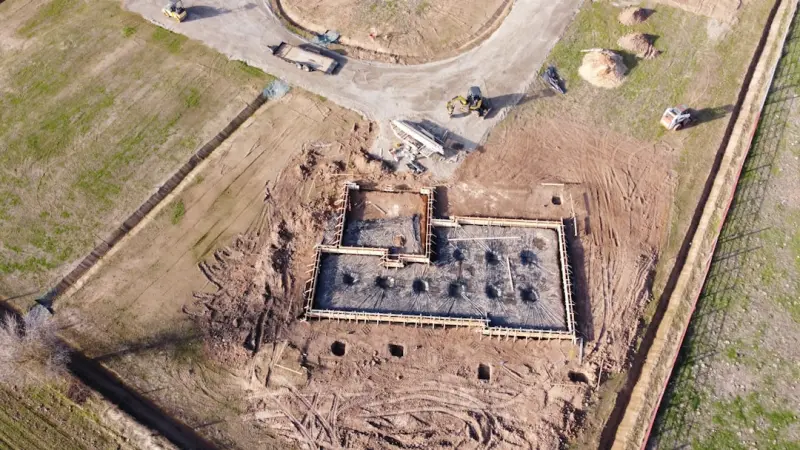
The Hidden Power of Adaptive Foundations: From Ground to Growth
Foundations are evolving from static slabs into dynamic, data‑driven platforms. This post explores... Read More
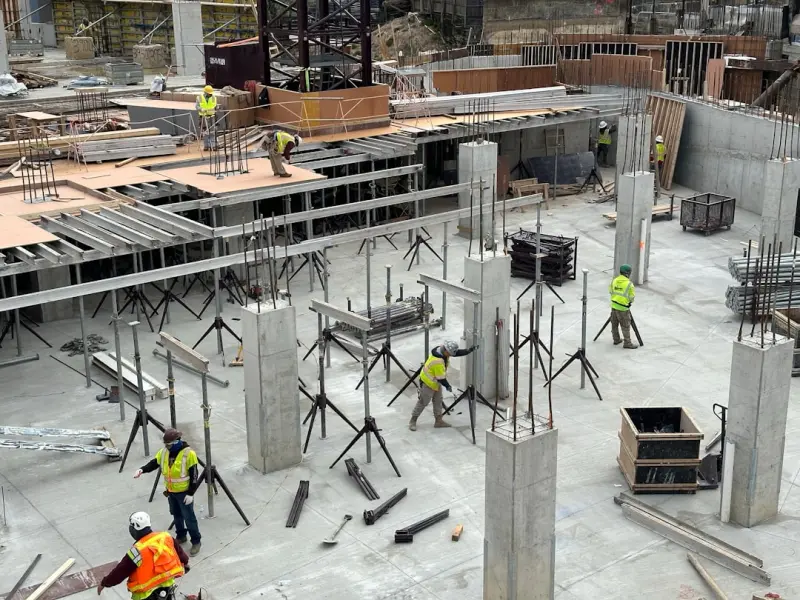
Smart Foundations: How Embedded Sensors are Redefining Structural Integrity
Embedding IoT sensors into building foundations transforms them from passive supports into active, d... Read More
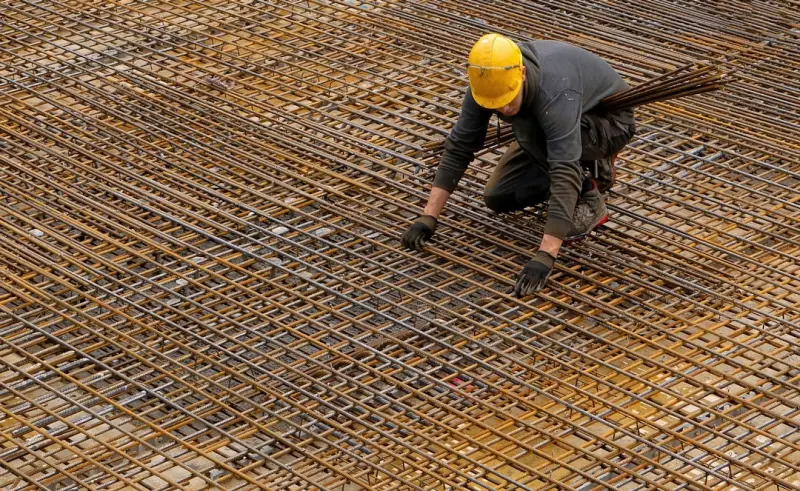
Rethinking Building Foundations: A Personal Blueprint for Resilient Structures
A seasoned builder shares a data‑centric, sustainable strategy for foundations—covering soil tes... Read More
Top Posts

Crafting a Flexible Woodworking Studio for Small Homes
Discover step‑by‑step guidance on creating a versatile, compact woodworking studio that balances functionality, technology, and sustainability—all without...Read More
Weather‑Proof Your Home with Smart, Affordable Upgrades
Learn a layered, data‑driven approach to home weather‑proofing that blends DIY fixes, smart sensors, and adaptive technologies, helping you protect your hom...Read More

The Quiet Power of Sensory Interiors: Designing Spaces That Feel Good
Explore a step‑by‑step framework for sensory interior design, blending visual rhythm, acoustic comfort, tactile richness, aromatic cues, and even flavor‑f...Read More

DIY Home Repairs: Sustainable Solutions From a Veteran Contractor
Discover practical, sustainable DIY repair strategies that combine cost‑saving techniques with eco‑friendly materials, all from veteran contractor William R...Read More
0 Comments
Post Comment
You will need to Login or Register to comment on this post!