
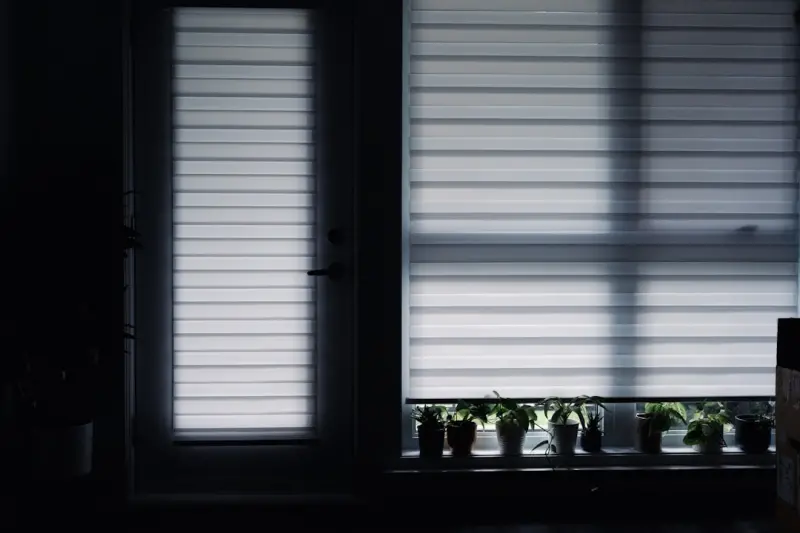
Why Window Treatments Are the Unsung Heroes of Modern Interiors
When I first started consulting on residential projects, I was told to “focus on the walls, the floor, and the roof.” I laughed because, as anyone who’s spent a decade wrestling with light and privacy, knows that the real drama happens at the window. A well‑chosen treatment can turn a bland, drafty room into a curated sanctuary, and it can do so while saving you money on heating, cooling, and even your electricity bill.
The Three Pillars of a Winning Window Strategy
My approach breaks down into three simple, interlocking pillars:
- Light Management – controlling glare, maximizing daylight, and shaping mood.
- Privacy Control – offering visual seclusion without sacrificing style.
- Energy Efficiency – reducing heat loss in winter and heat gain in summer.
Most homeowners treat these as separate concerns, but the magic happens when you blend them into a single, cohesive system.
Light Management: From Blinding Sun to Ambient Glow
Natural light is a priceless resource. It boosts morale, improves circadian rhythms, and even increases property value. However, unfiltered sunlight can cause glare on screens, fade upholstery, and make a room feel scorching.
Here’s how I turn raw daylight into a designer’s delight:
- Layered Fabrics – Pair a sheer voile with a heavier blackout panel. The sheer allows diffused light to filter in, while the blackout provides total darkness when needed.
- Motorized Shades – Integrating smart controls lets you schedule openings and closings based on sunrise, sunset, or even occupancy sensors.
- Solar‑Control Films – Applied directly to the glass, these films reject UV while preserving the view, perfect for high‑rise apartments.
One trick that surprises clients is using a light‑redirecting valance. A well‑placed valance can bounce light upward, reducing shadows and giving the ceiling an airy feel without additional lighting fixtures.
Privacy Control: The Art of Concealment Without Compromise
Privacy isn’t just about keeping prying eyes out; it’s about creating a sense of sanctuary. Traditional curtains can feel heavy and outdated, while blinds often look clinical. My go‑to solution is a combination of fabric panels and adjustable slats:
- Choose a neutral, texturally rich fabric for panels—think linen or bamboo‑woven cotton. They add depth and soften the window frame.
- Install motorized slats behind the panels. When you need a quick view, a tap on your phone slides the slats open; when you need privacy, the panels drop into place.
For street‑level rooms, I often recommend insulated blackout curtains. These are engineered with a thermally reflective backing that not only blocks sightlines but also adds a layer of insulation—killing two birds with one stone.
Energy Efficiency: Turning Windows Into Thermal Buffers
Everyone talks about “green” homes, but the conversation usually skips the window. A poorly insulated window can account for up to 30% of a home’s heat loss. Here’s how I turn a liability into an asset:
- Thermal‑Lined Shades – Shades with an inner layer of foam or reflective foil create an air pocket that reduces conductive heat loss.
- Cellular Shades – Their honeycomb structure traps air, acting like a miniature radiator in winter and a cooler in summer.
- Smart Automation – By integrating shade control with HVAC systems, the house can pre‑cool or pre‑heat rooms based on weather forecasts.
One of my favorite hidden wins is the heat leak solution of adding a magnetic “thermal curtain” that snaps onto the window frame during colder months and is removed in summer. It’s cheap, reversible, and dramatically cuts the need for thermostat adjustments.
Design Meets Function: Choosing the Right Aesthetic
Functionality is only half the story. A window treatment must also complement the space’s aesthetic. Here’s a quick cheat sheet:
- Minimalist Lofts – Opt for sleek, motorized roller shades in matte black or crisp white. The lack of hardware maintains the clean lines.
- Traditional Homes – Layered drapes with ornate tiebacks add a sense of timeless elegance.
- Eco‑Conscious Spaces – Go for organic fabrics like hemp or reclaimed wood blinds. They speak to sustainability while delivering performance.
Remember: the color palette of your treatment can influence perceived room temperature. Cool blues and soft grays make a space feel fresher, while warm ochres and deep browns create a cozy vibe.
Installation Tips from the Field
Even the most sophisticated system can fall flat if installed incorrectly. Over the years, I’ve compiled a short checklist that I hand to every client’s contractor:
- Measure twice, order once. Use a laser measure to capture both width and height, including any trim.
- Check the window’s opening direction—inside‑mount vs. outside‑mount—before finalizing hardware.
- Ensure there’s a clearance of at least ¼ inch on each side to allow the fabric to move freely.
- For motorized systems, pre‑run wiring to a low‑voltage power source and test connectivity before sealing the wall.
- Balance the weight. Heavy drapes need sturdy brackets; lightweight panels can often be hung with simple tension rods.
And a pro tip: always install a “sample” shade a few weeks before final installation. Live with it—watch the sunrise, observe the glare, and feel the temperature. This trial run can prevent costly re‑orders.
Maintenance Matters: Keeping Your Treatments Fresh
Window treatments, like any other interior element, need care. Here’s how I keep them performing:
- Dust Regularly – Use a microfiber cloth or a low‑suction vacuum attachment to avoid fabric abrasion.
- Spot Clean When Needed – For fabric panels, a gentle spray of water with a mild detergent works wonders. Avoid harsh chemicals that degrade UV coatings.
- Seasonal Checks – Inspect motorized mechanisms for wear and lubricate gears. Test battery backups on any remote units.
- Rotate Fabrics – If you have multiple panels, rotate them seasonally to distribute sun exposure evenly and prevent uneven fading.
These small habits can extend the life of your treatment by years, saving you both money and the headache of premature replacement.
Future‑Proofing: Smart Windows and Beyond
Technology is reshaping the way we think about windows. Here’s what’s on the horizon:
- Electrochromic Glass – Glass that tints on demand with a simple button press or automatically based on sunlight intensity.
- Integrated Sensors – Shades that detect indoor temperature and humidity, adjusting themselves to maintain comfort without user input.
- Voice‑Controlled Systems – With platforms like Alexa, Google Assistant, and Siri, you can say “Good night” and have all your bedroom shades close, lights dim, and thermostat drop.
While these high‑tech options are still premium, they’re rapidly becoming mainstream. When you design a window treatment plan today, consider wiring for future upgrades. A pre‑wired conduit adds minimal cost but opens the door to these next‑gen solutions.
Case Study: Transforming a Sun‑Bleached Studio
One of my favorite recent projects was a downtown studio with floor‑to‑ceiling windows that flooded the space with harsh, direct light. The client wanted a bright, airy feel but also needed to work from home without glare on their monitor.
Solution:
- Installed motorized cellular shades on the interior side, programmed to close 15 minutes before the sun reached its peak.
- Added a layer of sheer linen curtains that remain visible even when the shades are down, preserving the view.
- Wrapped the outer frame with a reflective film that cuts UV transmission by 70%.
- Integrated the shade system with the client’s smart thermostat, allowing the HVAC to adjust pre‑emptively based on projected solar gain.
Result: The studio’s temperature stayed 5 °F cooler during summer afternoons, the client reported 30% less eye strain, and the overall aesthetic shifted from “blinding office” to “calm, productive oasis.”
Budget‑Friendly Alternatives That Still Deliver
Not every client can splurge on motorized systems. Fortunately, you can still achieve a high‑performing window treatment on a shoestring budget:
- DIY Fabric Rolls – Purchase a roll of blackout fabric, attach it to a tension rod, and you’ve got a removable, insulated shade.
- Magnetic Panels – Small magnetic strips on the window frame let you snap on fabric panels when needed.
- Reclaimed Wood Blinds – Salvage wood from old furniture and craft simple slats. They add rustic charm and provide modest light control.
These hacks can be paired with a simple heat leak solution of sealing any gaps around the frame with weather‑stripping tape, delivering both aesthetic and energy benefits.
Final Thoughts: Make Your Windows Work For You
Window treatments sit at the crossroads of design, comfort, and sustainability. By approaching them with a strategic mindset—balancing light, privacy, and energy—you can turn any pane of glass into a performance feature. Whether you’re a DIY enthusiast, a tech‑savvy homeowner, or a design‑driven professional, there’s a solution that fits your style and budget.
So the next time you glance at a window, ask yourself: am I merely looking through glass, or am I looking at an opportunity to enhance my space? The answer, in my experience, is always the latter.

William Roy is a freelance writer originally from Montreal who moved to Ottawa with his wife of 50 years to be closer to their grandkids. Alongside his writing, William has a passion for fishing.
Related Posts
Elevating Window Treatments: Smart, Sustainable, and Sensory Solutions for Modern Homes
Explore cutting‑edge window dressing strategies that blend technology, sustainability, and design,... Read More

The Evolution of Window Treatments: How Sustainable Solutions Are Revolutionizing the Industry
Explore the evolution of window treatments and learn how sustainable solutions are transforming the ... Read More
Sustainable Window Treatments: Style Meets Eco‑Efficiency
Explore the art of eco‑friendly window treatments that blend design, smart tech, and sustainabilit... Read More
Top Posts

The Strategic ROI of Proactive Carpet Care: Extending Life, Boosting Performance, and Driving Sustainability
Explore how a proactive, data‑driven carpet‑care program can extend asset life, enhance acoustic performance, and align with ESG targets, turning routine cl...Read More
Beyond the Surface: How Bathtub Refinishing Drives Tenant Retention and Bottom‑Line Gains
A fresh bathtub isn’t just a cosmetic upgrade; it’s a strategic tool that improves tenant satisfaction, cuts maintenance costs, and extends asset life, deli...Read More

The Intersection of Landscaping and Sustainable Home Design
Sustainable landscaping is a critical component of sustainable home design. Learn how to create a beautiful and eco-friendly outdoor space with native plants, r...Read More
Smart Home Hacks: Simple Tips for a Greener Household
Explore easy, smart upgrades—from lighting and insulation to sustainable decks—that transform any home into an energy‑efficient, greener haven. Simple ste...Read More
0 Comments
Post Comment
You will need to Login or Register to comment on this post!