
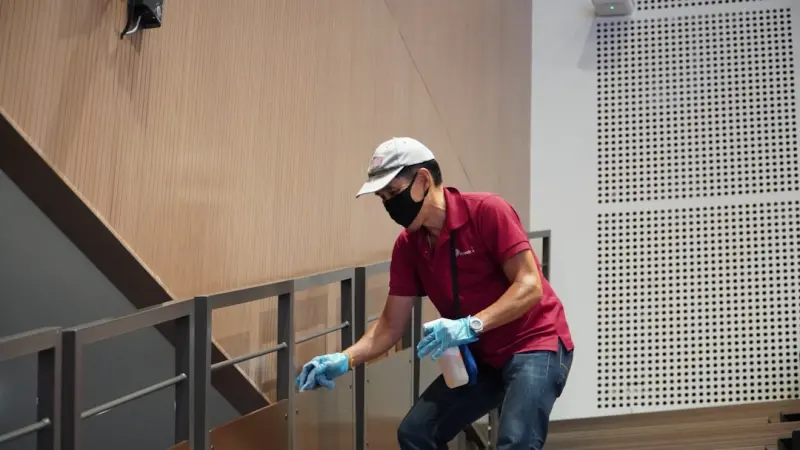
The Quiet Revolution Inside Your Walls: Duct Cleaning Reimagined
When most people think about building maintenance, they picture leaky roofs, cracked tiles, or a flickering light fixture. The HVAC ducts that snake through a structure are rarely front‑stage, yet they are the silent conduits that determine whether a space feels fresh or stale, healthy or hazardous. As someone who has spent the better part of two decades troubleshooting commercial facilities, I’ve learned that duct cleaning isn’t just a “nice‑to‑have” chore—it’s the unsung hero of indoor environmental quality.
Why Ducts Matter More Than You Think
Imagine the HVAC system as the circulatory system of a building. Air, like blood, must travel freely, delivering oxygen (or conditioned air) to every corner while carrying away waste (dust, pollen, microbial spores). When the ducts get clogged, the flow becomes turbulent, pressure builds, and the system works harder to achieve the same comfort level. The result? Higher utility bills, premature equipment wear, and, most importantly, compromised indoor air quality.
But there’s a deeper layer to this story. Ducts are a gathering place for allergens, mold spores, and even volatile organic compounds (VOCs) that leach from insulation, paint, and furnishings. Over time, these contaminants can accumulate to concentrations that far exceed what the ambient room air would suggest. For occupants with asthma, allergies, or sensitivities, a clean duct system can be the difference between a productive workday and a series of sneezing fits.
From Reactive to Proactive: The Business Case for Regular Cleaning
Most building owners still treat duct cleaning as an after‑the‑fact fix—something they schedule after a visible issue arises, like a musty odor or a sudden spike in energy costs. This reactive mindset is costly. Let’s break down the numbers.
- Energy Savings: A clogged duct can increase fan energy consumption by up to 30%. Over a year, that translates into thousands of dollars saved simply by keeping the pathways clear.
- Equipment Longevity: When an HVAC unit has to work against restricted airflow, motors, compressors, and belts experience higher stress, shortening their lifespan by 2‑4 years on average.
- Health‑Related Productivity: Studies show that improving indoor air quality can boost employee productivity by 5‑10%, a margin that easily outweighs the modest annual cost of a professional cleaning service.
When you factor in these tangible benefits, duct cleaning moves from a discretionary expense to a strategic investment—one that aligns with broader sustainability and cost‑optimization goals.
Technological Advances: Cleaning the Ducts of Tomorrow, Today
Just as we’ve seen AI‑driven facades and smart insulation transform building skins, duct cleaning technology has also stepped into the future. Modern cleaning crews now employ:
- Rotary Brush Systems: Flexible, motor‑driven brushes that navigate bends and expanders, scrubbing away the stubborn buildup that static brushes miss.
- High‑Efficiency Vacuum Units: HEPA‑rated vacuums capable of capturing particles as small as 0.3 microns, ensuring that the debris removed never re‑enters the indoor environment.
- Real‑Time Airflow Sensors: Integrated sensors that map airflow before and after cleaning, providing quantifiable data to prove the efficacy of the service.
- Robotic Inspection Cameras: Small, maneuverable cameras that give technicians a live view of the interior, allowing for targeted cleaning and immediate identification of problem zones.
These tools not only increase the thoroughness of the clean but also generate a digital record that can be integrated into a building’s maintenance management system. Imagine logging a post‑cleaning airflow increase of 18% directly into your CMMS—suddenly, the cleaning becomes a data point that informs budgeting, scheduling, and even warranty claims.
Integrating Duct Cleaning into Your Renovation Playbook
If you’re already planning a renovation or a major retrofit, the perfect time to address ductwork is during the construction phase. This approach eliminates the need for disruptive post‑construction cleaning and ensures that new insulation, drywall, or interior finishes don’t trap dust inside the ducts.
One practical method is to embed duct cleaning into a broader renovation checklist. By treating the duct system as a critical path item—alongside electrical upgrades and fire safety inspections—you guarantee that it receives the same level of scrutiny and budget allocation as any other major component.
Here’s a quick snippet you can add to your checklist:
- Inspect existing duct insulation for signs of moisture or mold.
- Schedule a pre‑renovation duct cleaning using a rotary brush system.
- Document pre‑ and post‑cleaning airflow measurements.
- Re‑seal any penetrations or joints that were disturbed during construction.
- Integrate final airflow data into the building’s commissioning report.
Embedding these steps not only protects the new construction investments but also provides a documented baseline for future maintenance cycles.
When Insulation Meets Ductwork: A Symbiotic Relationship
While we often discuss insulation as a barrier that keeps heat in or out, its interaction with ductwork is equally important. Poorly insulated ducts can become condensation traps, leading to mold growth that then spreads into the airflow. Conversely, well‑insulated ducts maintain temperature stability, reducing the chance of condensation and the associated microbial proliferation.
Exploring the latest advances in insulation strategies can reveal materials that not only boost thermal performance but also resist moisture absorption. Pairing these with a rigorous cleaning schedule creates a double‑layer defense: the insulation prevents moisture, and the cleaning eliminates any contaminants that do manage to slip through.
Common Myths About Duct Cleaning—Debunked
Even seasoned facility managers encounter misconceptions that can hinder effective maintenance. Let’s set the record straight.
- Myth 1: “If the air looks clean, the ducts are fine.” Visual inspection of supply grilles tells you nothing about the interior condition. Dust can adhere to duct walls and accumulate over years, invisible from the outside.
- Myth 2: “All cleaning methods are the same.” Cheap, low‑pressure vacuuming may dislodge surface dust but won’t remove embedded grime, microbial colonies, or biofilm. Investing in proper rotary brush systems and HEPA filtration makes a measurable difference.
- Myth 3: “Cleaning once is enough.” Ducts are part of an active system; they collect particles continuously. A cleaning frequency of every 3‑5 years is a baseline, but high‑traffic environments—like hospitals or manufacturing floors—may require annual service.
Measuring Success: What to Look For After a Clean
Professional cleaning services should provide a post‑service report that includes:
- Baseline and post‑cleaning airflow readings (CFM) for each major branch.
- Particle count comparisons taken from supply diffusers.
- Photographic evidence of before and after conditions inside the ducts.
- Recommendations for ongoing maintenance, including filter upgrades and inspection intervals.
These metrics are more than just numbers; they serve as proof points for building owners, insurers, and even LEED auditors who value documented indoor air quality improvements.
Future Trends: The Convergence of IAQ Monitoring and Duct Maintenance
As the Internet of Things (IoT) continues to infiltrate building systems, we’re seeing a convergence between real‑time indoor air quality (IAQ) monitoring and duct cleaning schedules. Sensors placed at strategic points—like return grilles and supply diffusers—can detect spikes in particulate matter or VOC levels. When thresholds are breached, an automated workflow can trigger a service request, ensuring that cleaning is performed precisely when needed, rather than on a fixed calendar.
Imagine a dashboard that shows you:
- Current PM2.5 levels across zones.
- Historical trend lines correlating cleaning events with IAQ improvements.
- Predictive analytics that estimate the next optimal cleaning window based on usage patterns and sensor data.
This data‑driven approach transforms duct cleaning from a guesswork activity into a precision service—one that aligns perfectly with modern building performance goals.
Practical Tips for Facility Managers
- Partner with Certified Professionals: Look for companies that follow standards set by the National Air Duct Cleaners Association (NADCA) and can provide detailed reports.
- Upgrade Filters: High‑efficiency filters (MERV 13 or higher) reduce the load on ducts and keep dust from traveling deeper into the system.
- Seal Duct Leaks: Even small gaps can draw in unconditioned air, bringing in additional contaminants. Use mastic or UL‑listed tape for lasting seals.
- Schedule Seasonal Checks: Conduct a visual inspection and pressure test before extreme heating or cooling seasons when system demand peaks.
- Educate Occupants: Simple habits—like keeping doors closed during construction or cleaning up spills promptly—reduce the amount of debris that can enter the ducts.
Conclusion: Elevate Your Building’s Health by Paying Attention to the Unseen
Duct cleaning may not have the flash of a glass façade or the novelty of a digital countertop, but its impact on occupant health, energy efficiency, and equipment longevity is profound. By treating ducts as a critical component of the building’s circulatory system, embracing modern cleaning technologies, and integrating maintenance into broader renovation and IAQ strategies, you turn a hidden liability into a competitive advantage.
In an era where every square foot of a facility is scrutinized for performance and sustainability, overlooking the air pathways is a costly blind spot. Take the step today—schedule an assessment, review your airflow data, and make duct cleaning an integral part of your building’s health regimen. Your occupants, your bottom line, and your peace of mind will thank you.

David MacKinnon is a dynamic freelance writer known for his captivating storytelling and keen insights into the world of technology. With a passion for exploring the intersection of innovation and everyday life, he crafts engaging narratives that not only inform but also inspire his readers.
Related Posts
The Sustainable Contractor’s Guide to Duct Cleaning: Why It Matters and How to Do It Right
A seasoned contractor shares sustainable duct cleaning strategies, debunking myths, linking to relat... Read More

The Unseen Path to Cleaner Air: A Homeowner’s Guide to Duct Cleaning
Explore the hidden impact of dirty ducts, learn to spot signs, and get expert advice on DIY checks a... Read More
Why Duct Cleaning Should Be a Cornerstone of Your Facility’s Maintenance Strategy
Regular duct cleaning is more than a cleaning chore—it’s a strategic maintenance move that boost... Read More
Top Posts

Eco‑Friendly Drywall: Sustainable Materials, Healthier Homes
Explore sustainable drywall choices, eco‑friendly installation methods, and future bio‑based trends that create healthier, low‑impact living spaces....Read More

Warm Floors, Smarter Buildings: Leveraging Radiant Heating for Performance and Profit
Radiant floor heating isn’t just a comfort feature—it’s a strategic asset that cuts energy costs, improves occupant health, and adds measurable value to c...Read More
Turning Your Garage into a Future‑Ready Hub: Smart Design, Sustainability, and Flexibility
A modern garage can do far more than shelter a car. Learn how to construct a future‑ready garage that integrates EV charging, climate‑controlled work zones,...Read More
The Hidden Cost of Ignoring Mold: A Proactive Playbook for Facility Managers
A facility manager’s guide to a proactive mold removal strategy that uses IAQ sensors, targeted remediation, and predictive analytics to protect occupants and...Read More
0 Comments
Post Comment
You will need to Login or Register to comment on this post!