

From Floor to Facade: Rethinking Tile as a Strategic Asset
When most people think about tiling, they picture a kitchen backsplash or a bathroom floor that’s “just there” to keep water at bay. In my decade‑plus of working with commercial interiors, I’ve learned that tiles can be far more than a protective layer—they can be a strategic asset that drives brand perception, acoustic comfort, and even operational efficiency. In this post, I’ll walk you through how to elevate tile from a functional material to a purposeful design tool that aligns with business goals.
1. The Psychology of Pattern: Tiles as Brand Storytellers
Every brand has a visual language, and the surfaces that occupants interact with daily are an under‑utilized chapter of that narrative. A bold geometric pattern can echo a tech company’s forward‑thinking ethos, while a subtle, handcrafted mosaic can reinforce a boutique’s artisanal vibe. The key is to ask two questions early in the design process:
- What emotions do we want our visitors to feel? Warm, inviting tones can reduce anxiety in a medical office, while sleek, high‑contrast grids can energize a creative studio.
- How can tile patterns reinforce brand touchpoints? Think about incorporating brand colors, logo fragments, or even data‑driven visualizations (e.g., a heat map of user activity rendered as a tile mural).
When executed thoughtfully, tiles become an extension of the brand’s story—an experience that lingers long after the first impression.
2. Acoustic Alchemy: Quieting Open‑Plan Spaces
Open‑plan offices are notorious for echo chambers. While acoustic panels and soft furnishings are the usual suspects, tile can play a surprisingly effective supporting role. Porous ceramic and natural stone have inherent sound‑absorbing properties that, when paired with underlayments, can reduce reverberation by up to 30%.
Here’s a quick checklist for leveraging tiles acoustically:
- Choose textured surfaces. A lightly brushed or matte finish scatters sound waves better than a high‑gloss sheen.
- Layer with acoustic backings. Rubber or cork underlayments add mass and dampen vibration.
- Strategically place larger format tiles. Bigger tiles create fewer grout lines, which can act as acoustic “leaks.”
By integrating these considerations early, you can design a space that feels both open and conversationally private—a win for collaboration and productivity.
3. Sustainability Meets Style: Reclaimed and Recycled Tiles
There’s a growing appetite for circular design, but the conversation often circles around furniture and lighting. Tiles, too, can be reclaimed, re‑purposed, and even integrated into a broader waste‑to‑resource strategy. Here’s how to get started:
- Source from demolition sites. Many historic buildings yield beautiful, aged terracotta or encaustic tiles that carry character impossible to mass‑produce.
- Re‑glaze and re‑size. Modern glazing techniques can restore vibrancy while preserving the original patina.
- Mix with new, recycled‑content tiles. Combining salvaged pieces with 30% post‑consumer glass tiles creates a visual dialogue between past and future.
Beyond the aesthetic payoff, reclaimed tile projects often qualify for green building credits, adding tangible value to the bottom line.
4. Modular Tile Systems: Future‑Proofing Your Floors
Commercial spaces evolve—teams grow, departments shift, and entire functions relocate. Traditional tile installations can become a costly bottleneck when you need to reconfigure a floor plan. Enter modular tile systems: interlocking panels that can be lifted, replaced, or re‑arranged without breaking the underlying substrate.
These systems work best when paired with an overall future‑ready strategy. Consider these design principles:
- Standardized panel dimensions. 24” x 24” or 30” x 30” modules simplify inventory and replacement logistics.
- Integrated conduit pathways. Embed wiring or sensor channels within the tile backing for seamless tech upgrades.
- Quick‑release locking mechanisms. A simple “click‑and‑go” system reduces labor time dramatically.
When you plan for modularity, you’re essentially future‑proofing your real estate investment, allowing the space to adapt without a full‑scale demolition.
5. Data‑Driven Tile Selection: Beyond Aesthetics
Yes, data belongs in tile decisions, too. While the recent buzz is about smart sensors in HVAC and lighting, we can harness performance data from past projects to inform tile choices. Metrics such as foot traffic density, cleaning frequency, and slip incidents provide actionable insights.
Here’s a simple workflow you can adopt:
- Collect baseline data. Use footfall counters or badge scans to map high‑traffic zones.
- Match tile attributes. For high‑traffic areas, opt for high PEI (Porcelain Enamel Institute) ratings (≥ 5). For low‑traffic zones, you can prioritize design richness.
- Iterate and monitor. After installation, track maintenance logs to validate your selection’s durability.
This evidence‑based approach reduces the risk of premature wear and helps justify premium material spend to stakeholders.
6. Health‑Centric Tiling: Antimicrobial and VOC‑Free Options
Post‑pandemic workplaces demand more than visual appeal; they need to demonstrate a commitment to occupant health. Antimicrobial glazed tiles, often infused with silver ions, inhibit bacterial growth on the surface. Additionally, low‑VOC (volatile organic compound) adhesives and grout sealers improve indoor air quality, aligning with broader health and wellness goals.
When specifying these products, ask manufacturers for:
- Independent lab test results confirming antimicrobial efficacy.
- Documentation on VOC emissions for all installation materials.
- Lifecycle assessments to ensure the product’s environmental impact is minimized.
By integrating health‑focused tile specifications, you signal to employees and visitors that safety is baked into the building’s DNA.
7. Maintenance Made Elegant: The Hidden Benefits of Thoughtful Grout Design
Grout is the unsung hero—or villain—of any tiled surface. A well‑planned grout system can simplify cleaning, reduce staining, and extend tile lifespan. Here are three pro tips:
- Use epoxy‑based grout. Though pricier, epoxy resists moisture and chemical infiltration better than cementitious alternatives.
- Select a wider grout line for uneven substrates. A 1/8” line can mask minor imperfections while still delivering a sleek look.
- Implement a color‑coded maintenance schedule. Light‑colored grout shows dirt faster, prompting more frequent cleaning in high‑traffic zones.
When you treat grout as a design element, you eliminate the “hidden cost” of tile upkeep and keep the surface looking fresh longer.
8. The ROI of Tile: Calculating Value Beyond Square Footage
It’s easy to get lost in the visual aspects of tile, but decision‑makers need concrete numbers. Here’s a quick ROI framework:
- Initial Cost per Sq Ft. Include material, labor, and underlayment.
- Maintenance Cost per Year. Factor cleaning, grout resealing, and potential replacements.
- Longevity. High‑quality porcelain tiles often exceed 30 years with minimal upkeep.
- Brand Impact. Assign a monetary value to brand perception improvements—survey data can help quantify this.
- Energy Savings. Certain tile systems, especially those with radiant heating integration, can reduce HVAC loads.
When you stack these variables, you’ll often discover that premium tile selections pay for themselves in a fraction of the projected lifespan.
9. Tiling Outside the Box: Creative Applications in Non‑Traditional Spaces
Think beyond floors and walls. Here are three unconventional yet high‑impact uses for tile:
- Acoustic ceiling panels. Lightweight, perforated ceramic tiles can double as sound‑absorbing ceiling tiles in conference rooms.
- Interactive wayfinding. Install color‑coded tile pathways that guide visitors intuitively through large campuses.
- Vertical garden backdrops. Pair a moss‑friendly tile substrate with modular planting systems for living walls that thrive in low‑light areas.
These out‑of‑the‑ordinary applications showcase tile’s versatility and can become signature elements that set a property apart.
10. Bringing It All Together: A Project Blueprint
To crystallize these ideas, let’s walk through a hypothetical case study: a mid‑size tech firm renovating its headquarters lobby.
- Brand Alignment. The firm’s brand palette includes deep indigo and electric teal. We source a large‑format, matte‑finish porcelain tile in a subtle gray and overlay a custom‑cut mosaic in the brand colors at the reception desk.
- Acoustic Strategy. We install a staggered pattern of textured tiles with cork underlayments on the main walkways, cutting reverberation by 25%.
- Sustainability. 40% of the tiles are reclaimed from a demolished 1920s factory, mixed with 30% recycled glass tiles, earning LEED points.
- Modular Flexibility. The conference room floor uses modular interlocking panels that can be re‑configured for future expansion.
- Health Focus. Antimicrobial glaze and low‑VOC grout sealants are specified throughout the high‑traffic areas.
- Data‑Driven Selection. Footfall analysis indicated a 30% higher traffic flow near the coffee bar, prompting the use of a PEI 5 tile there, while a PEI 3 tile suffices for the quiet lounge.
The result? A lobby that not only looks stunning but also reinforces brand identity, improves acoustic comfort, supports sustainability goals, and future‑proofs the space for growth. The client reported a 15% increase in visitor satisfaction scores within six months—an intangible win that translates directly into business performance.
Final Thoughts: Tile as a Strategic Lever
Tile is often pigeonholed as a “finished product” that sits at the end of a design process. By reframing it as a strategic lever—one that influences brand perception, acoustic quality, sustainability metrics, health standards, and long‑term ROI—you unlock a new dimension of value for any commercial project. The next time you walk into a space with a beautifully tiled floor, pause for a moment and consider the many decisions that shaped that surface. If you’re ready to explore tile as a catalyst for business impact, let’s start the conversation.

Kelly Reynolds is a dynamic freelance writer hailing from the picturesque landscapes of Alberta. A master of the written word, she juggles her passion for storytelling with the exhilarating chaos of being a mother to five spirited children. With an impressive portfolio that spans various genres, Kelly captivates readers through her engaging blog posts and thought-provoking articles.
Related Posts
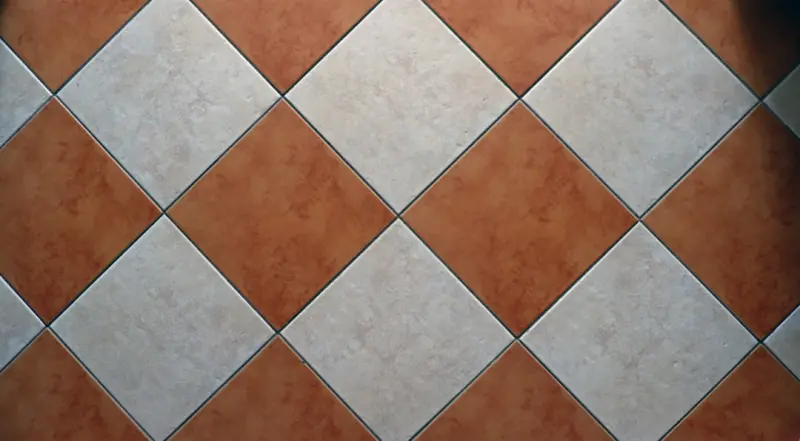
Tiles as Storytellers: Turning Floors and Walls into Narrative Canvases
Explore the art of tiling beyond function—learn to choose materials, master layouts, integrate tec... Read More
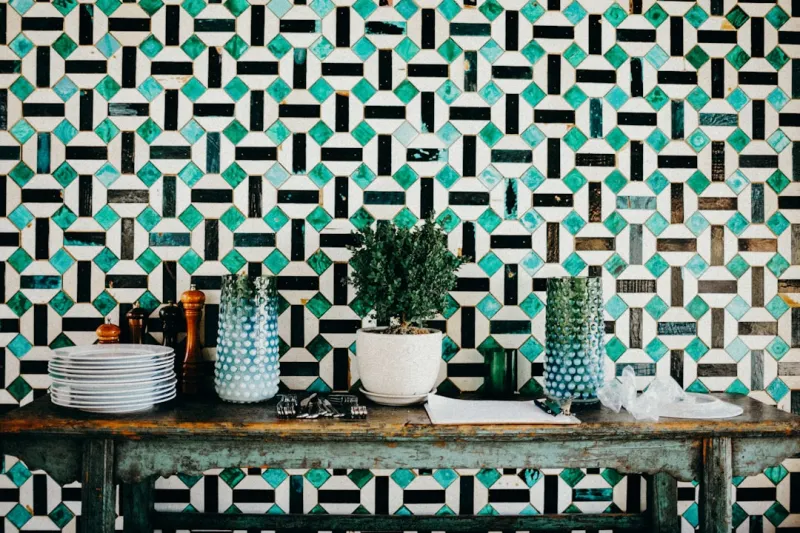
The Future of Tiling: How Sustainable Solutions Are Revolutionizing the Industry
The tiling industry is undergoing a significant shift towards sustainability, driven by growing dema... Read More
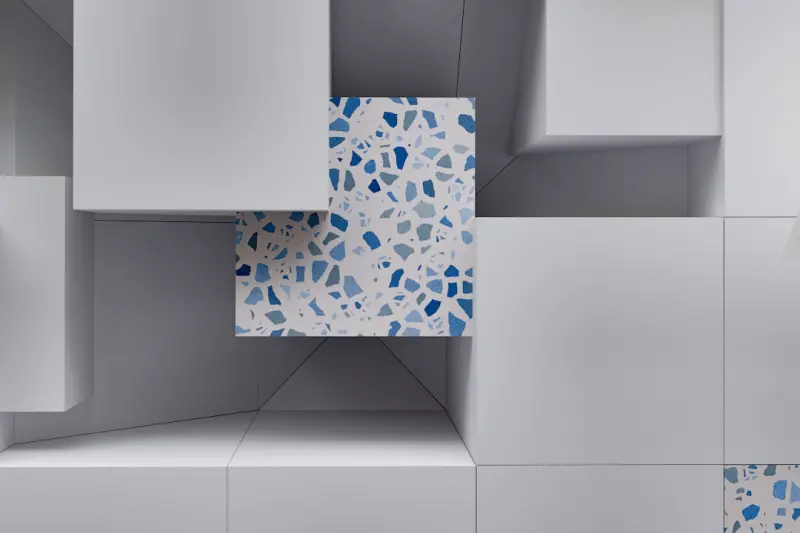
Adaptive Tile Systems: Merging Aesthetics, Data, and Durability
Tiles are evolving from static décor to intelligent platforms. This post reveals how modular instal... Read More
Top Posts
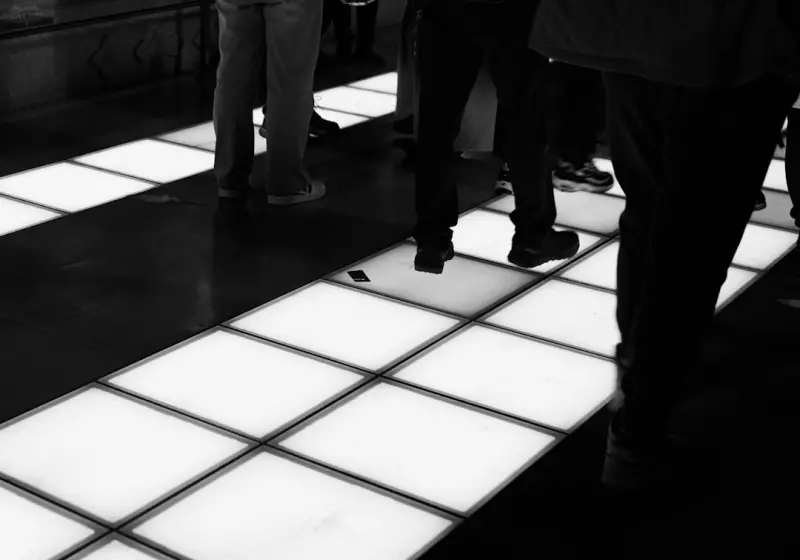
Interactive Tiles: Data, Light & Future Floors
Tiles are evolving from static coverings into smart, data‑rich platforms that sense occupancy, regulate temperature, and change color, offering a new layer of...Read More

AI‑Powered HVAC Zoning: The Future of Home Comfort
Explore AI‑powered HVAC zoning that learns your home’s rhythms, cuts energy bills, and integrates with smart devices for effortless, personalized comfort....Read More

Awning Alchemy: Turning Simple Shade into Smart Outdoor Experience
Explore the untapped potential of awnings as dynamic, intelligent systems that enhance outdoor comfort, integrate with smart perimeters, and even generate energ...Read More

Breathing Easier: The Intersection of Insulation and Indoor Air Quality
This article delves into how vapor‑permeable, bio‑based insulation can improve indoor air quality, reduce moisture‑related problems, and still deliver ene...Read More
0 Comments
Post Comment
You will need to Login or Register to comment on this post!