
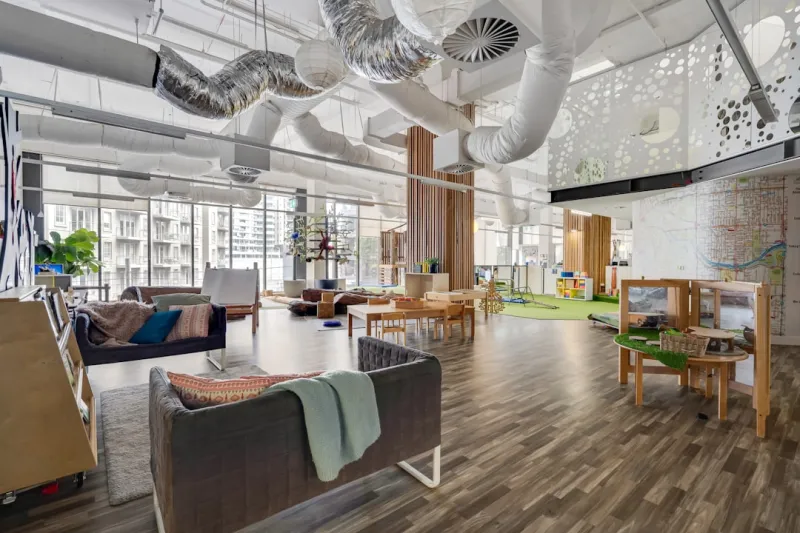
The Evolution of Sustainable Flooring: A Greener Future for Your Home
As the world becomes increasingly aware of the importance of sustainability, homeowners are looking for ways to reduce their environmental impact. One area that has gained significant attention in recent years is flooring. Traditional flooring options, such as hardwood and carpet, can have a significant environmental impact, from deforestation to waste generation. However, there are many sustainable flooring options available that can help reduce this impact. In this article, we will explore the evolution of sustainable flooring and provide guidance on how to choose the best option for your home.
The Environmental Impact of Traditional Flooring
Traditional flooring options, such as hardwood and carpet, have been popular choices for decades. However, these options have a significant environmental impact. Hardwood flooring, for example, contributes to deforestation and habitat destruction. The harvesting of hardwood trees can lead to soil erosion, water pollution, and loss of biodiversity. Additionally, the processing and transportation of hardwood flooring require significant amounts of energy and resources. Carpet, on the other hand, is made from non-renewable resources, such as petroleum and natural gas. The production of carpet requires significant amounts of energy and generates a substantial amount of waste.
Sustainable Flooring Options
Fortunately, there are many sustainable flooring options available that can help reduce the environmental impact of your home. Some popular options include:
- Bamboo flooring: Bamboo is a highly renewable resource that can be harvested in as little as three to five years. Bamboo flooring is durable, resistant to moisture, and can be installed using a variety of methods.
- Cork flooring: Cork is a sustainable material that is harvested from the bark of cork oak trees. Cork flooring is soft, warm, and resistant to moisture.
- Reclaimed wood flooring: Reclaimed wood flooring is made from salvaged wood from old buildings, barns, and trees. This option reduces waste and preserves the history of the original wood.
- Linoleum flooring: Linoleum flooring is made from natural materials, such as linseed oil, limestone, and wood flour. Linoleum flooring is durable, resistant to moisture, and can be installed using a variety of methods.
The Benefits of Sustainable Flooring
Sustainable flooring options offer a range of benefits, from reduced environmental impact to improved indoor air quality. Some of the benefits of sustainable flooring include:
- Reduced environmental impact: Sustainable flooring options reduce the demand on natural resources, minimize waste generation, and promote eco-friendly manufacturing practices.
- Improved indoor air quality: Sustainable flooring options, such as bamboo and cork, are resistant to moisture and can help reduce the growth of mold and mildew.
- Durability: Sustainable flooring options, such as reclaimed wood and linoleum, are durable and can last for decades with proper maintenance.
The Role of Floor Heating in Sustainable Flooring
Floor heating is a sustainable solution that can be used in conjunction with sustainable flooring options. Floor heating systems use radiant heat to warm the floor, reducing the need for forced air heating systems. This can help reduce energy consumption and promote a healthier indoor environment.
Sustainable Flooring Installation and Maintenance
Sustainable flooring installation and maintenance require careful consideration to ensure that the flooring lasts for decades. Some tips for sustainable flooring installation and maintenance include:
- Choose a qualified installer: Sustainable flooring installation requires specialized knowledge and skills. Choose a qualified installer who has experience with sustainable flooring options.
- Use eco-friendly adhesives: Eco-friendly adhesives, such as plant-based adhesives, can reduce the environmental impact of flooring installation.
- Maintain flooring regularly: Regular maintenance, such as sweeping and mopping, can help extend the life of sustainable flooring.
The Future of Sustainable Flooring
The future of sustainable flooring is bright, with new technologies and materials emerging every year. Some trends to watch in the future of sustainable flooring include:
- Increased use of recycled materials: Recycled materials, such as recycled glass and recycled metal, are becoming increasingly popular in sustainable flooring.
- Development of new sustainable materials: Researchers are developing new sustainable materials, such as plant-based composites, that can be used for flooring.
- Integration with smart home technology: Sustainable flooring is being integrated with smart home technology, such as radiant floor heating and cooling systems.
Conclusion
Sustainable flooring is a critical component of a sustainable home. By choosing sustainable flooring options, homeowners can reduce their environmental impact, improve indoor air quality, and promote a healthier living environment. Sustainable design build practices, such as using reclaimed wood and eco-friendly adhesives, can also promote sustainable flooring. As the world continues to evolve, it's essential to stay informed about the latest trends and technologies in sustainable flooring.
Additional Resources
For more information on sustainable flooring, check out sustainable home painting options, which can complement your sustainable flooring choices. You can also explore furniture restoration techniques to create a cohesive and sustainable living space.

William Roy is a freelance writer originally from Montreal who moved to Ottawa with his wife of 50 years to be closer to their grandkids. Alongside his writing, William has a passion for fishing.
Related Posts

Pet‑Friendly Flooring: Style, Durability, and Health for Your Home
Explore top flooring choices that keep pets happy and homes healthy. From luxury vinyl to smart conc... Read More
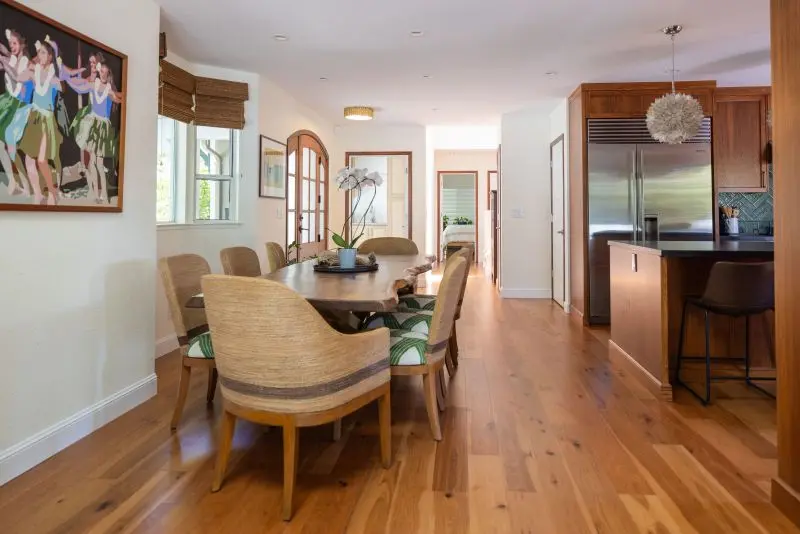
Quiet Floors, Happy Ears: Mastering Acoustic Design in Every Room
Explore the hidden power of flooring to control sound, from eco‑friendly materials to smart instal... Read More

Walking on the Future: How Bio‑Based Flooring is Redefining Healthy Spaces
A deep dive into the emerging world of bio‑based flooring—mycelium panels, hemp composites, and ... Read More
Top Posts

Dynamic Facades: The Future of Adaptive Architecture
Adaptive façades turn building envelopes into responsive systems that cut energy costs, boost occupant wellbeing, and future‑proof architecture. This article...Read More

Intelligent Masonry: Building Smarter Walls
Masonry is transitioning from a traditional, static material to a dynamic, data‑enabled building component. By embedding sensors, using low‑carbon bricks, a...Read More
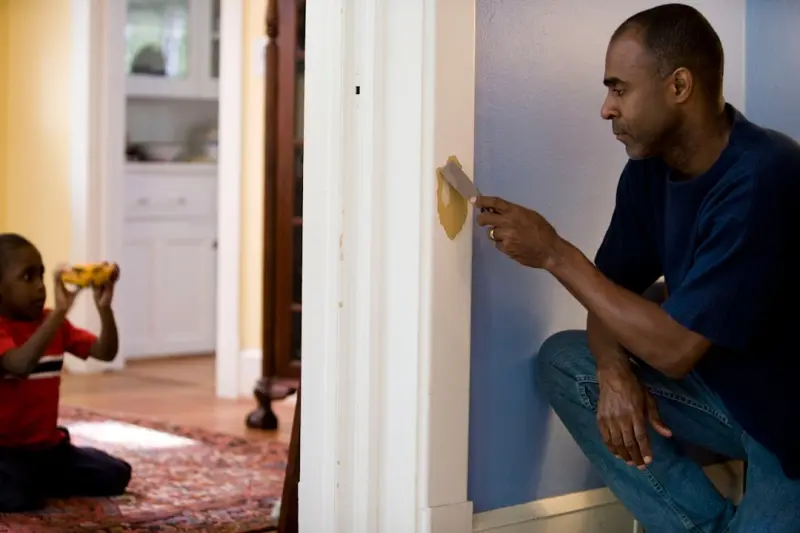
The DIYer's Guide to Smarter Drywalling: From Prep to Perfect Finish
Learn how to choose the right drywall, master taping, add soundproofing, and finish with a perfect paint job. Practical tips from a seasoned DIYer to upgrade an...Read More
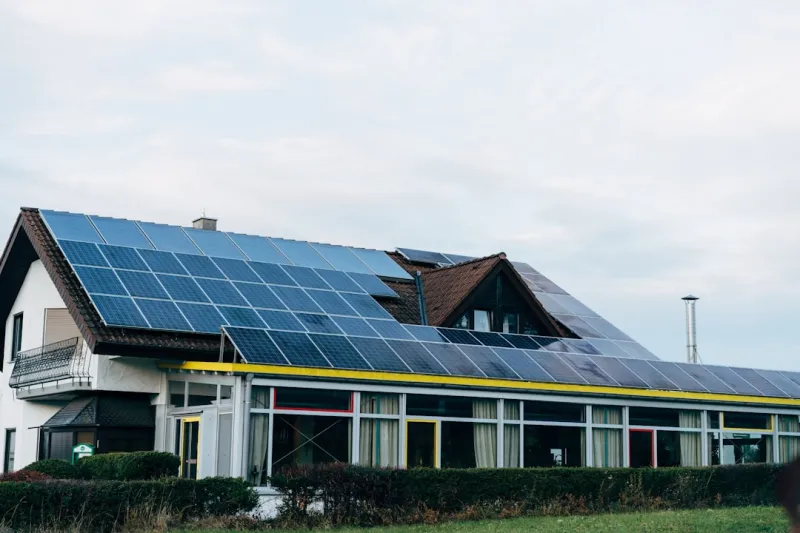
Powering Sustainable Homes: Modern Electrical Practices for the Eco‑Conscious
Learn how to upgrade your home’s wiring with sustainable practices, smart technology, and maintenance tips that save energy, money, and the planet....Read More
0 Comments
Post Comment
You will need to Login or Register to comment on this post!