
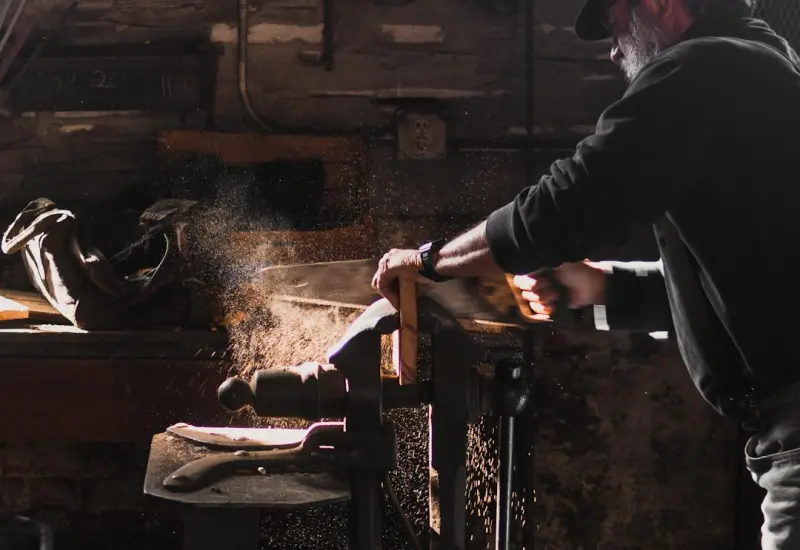
Finding the Soul of a Tree: The Rise of Live‑Edge Woodworking
When I first stepped into my grandfather’s barn, the smell of fresh‑cut pine and the sight of a massive slab of oak waiting to be transformed struck me like a spark. That moment taught me a simple truth: every piece of timber carries a story, and it’s our job as woodworkers to listen, interpret, and give it a voice that resonates in today’s spaces.
The Allure of the Unfinished Edge
Unlike conventional lumber that is sawn, planed, and stripped of its natural contours, live‑edge slabs retain the tree’s original silhouette. The bark‑line, the knots, the subtle twists—these irregularities become the focal point of a piece, turning a functional object into a conversation starter. In an age where consumers crave authenticity, the raw aesthetic of live‑edge furniture meets both emotional and design demands.
Choosing Sustainable Sources Without Compromise
One of the biggest misconceptions about live‑edge woodworking is that it requires rare, exotic species. In reality, responsible sourcing begins with local, responsibly managed forests. Look for certifications such as FSC (Forest Stewardship Council) or PEFC (Programme for the Endorsement of Forest Certification) and partner with sawmills that prioritize waste reduction. By selecting reclaimed or salvaged logs, you not only reduce environmental impact but also inherit a history that adds depth to each piece.
From Log to Table: The Step‑by‑Step Journey
- Harvest & Selection: Choose a log with a clear grain pattern and interesting bark‑line. Avoid excessive rot or large splits that could compromise structural integrity.
- Rough Sawing: Using a bandsaw or a large circular saw, cut the slab to approximate dimensions, leaving a generous amount of bark on one side.
- Stabilization: Moisture content is the silent killer of live‑edge pieces. Employ a kiln‑drying process or a controlled air‑drying schedule to bring the wood to a stable 6‑8% moisture level.
- Flattening & Jointing: A planer will smooth the interior surfaces, but preserve the outer edge. This is where building a versatile workbench setup can make a massive difference in efficiency.
- Finishing: Decide between a natural oil finish that highlights the grain or a matte polyurethane for durability. Apply multiple thin coats, sanding lightly between each, to achieve depth without obscuring the wood’s character.
- Hardware Integration: Modern hardware—concealed brackets, steel dog‑ears, or even magnetic catches—can provide a sleek, functional edge while maintaining the organic feel.
Marrying Tradition with Modern Technology
While the soul of live‑edge work is rooted in tradition, the tools of today can accelerate production and improve precision. CNC routers, for instance, can mill intricate joinery patterns without sacrificing the natural edge. However, it’s essential not to let technology dominate the process; the hands‑on feel of a hand plane or a scraper still holds a place of reverence.
Integrating smart tools doesn’t have to feel gimmicky. Consider integrating smart tools that monitor humidity and temperature in real time, ensuring your slabs stay within safe limits throughout the drying stage. This blend of old‑world craftsmanship and data‑driven monitoring helps you maintain consistency without losing the artisanal touch.
Design Strategies That Elevate the Edge
Designing around a live‑edge slab is a dance between respecting the wood’s natural form and meeting functional needs. Here are a few strategies to consider:
- Asymmetrical Layouts: Let the bark side dictate the shape of the tabletop. An uneven edge can become a built‑in visual guide for placement of décor.
- Mixed Material Pairings: Pair the warm tones of live‑edge wood with cool, industrial elements like concrete bases or metal legs. The contrast emphasizes both materials.
- Layered Thickness: Stack thinner slabs beneath a thicker live‑edge top. This creates a floating illusion while providing structural support.
- Functional Art: Turn a slab into a room divider, a sculptural headboard, or a unique shelving unit. The possibilities expand when you view the wood as a canvas rather than a mere surface.
Marketing Your Live‑Edge Creations
In the B2B SaaS world, we often talk about positioning and differentiation. The same principles apply to handcrafted furniture. Highlight the story behind each piece—its origin, the sustainable practices employed, and the craftsmanship involved. High‑resolution close‑ups of bark texture and grain patterns can be powerful visual assets for social media and e‑commerce listings.
Moreover, offering customization options—such as choice of finish, leg style, or even the inclusion of built‑in charging stations—can set your brand apart. Clients appreciate the blend of artisanal authenticity with modern convenience.
Maintaining the Piece Over Time
Live‑edge furniture is a living object. Over the years, it will develop a patina, deepen in color, and occasionally show minor scratches—each adding to its character. Advise owners on proper care: avoid direct sunlight, use coasters, and reapply a light oil coat annually to keep the wood nourished. A well‑maintained piece can become a family heirloom, extending its lifecycle and reinforcing the sustainability narrative.
Learning from the Past While Looking Forward
There’s a rich lineage of traditional joinery—mortise‑and‑tenon, dovetail, finger joints—that continues to inspire today’s makers. By studying traditional joinery methods, you can incorporate time‑tested techniques that add structural integrity and visual interest to live‑edge projects.
Scaling the Craft Without Losing Its Heart
Many woodworkers wonder how to transition from a one‑person studio to a small boutique operation. The answer lies in modular workflow design—creating stations that can be replicated as demand grows. While the term “modular” appears in other content, the concept itself is valuable: a dedicated cutting station, a finishing bay, and a quality‑control corner can each function independently, allowing you to add capacity without redesigning the entire shop.
Conclusion: The Edge as a Statement
Live‑edge woodworking isn’t just a trend; it’s a statement of values—respect for nature, dedication to craft, and a desire to bring stories into everyday environments. By sourcing responsibly, blending traditional techniques with modern tools, and communicating the narrative behind each slab, you create pieces that resonate on both an aesthetic and emotional level. The next time you walk past a raw, bark‑lined table, remember: you’re not just looking at furniture; you’re witnessing the continuation of a tree’s life, now intertwined with yours.

David MacKinnon is a dynamic freelance writer known for his captivating storytelling and keen insights into the world of technology. With a passion for exploring the intersection of innovation and everyday life, he crafts engaging narratives that not only inform but also inspire his readers.
Related Posts

From Scrap to Spotlight: Crafting Upcycled Wood Masterpieces
A deep‑dive into the art of upcycling vintage timber, offering practical sourcing tips, hand‑too... Read More
From Scrap to Statement: Building a Circular Woodworking Practice
Learn practical steps to transform wood shop waste into marketable, sustainable products, build a co... Read More
Crafting the Future: Sustainable, Tech‑Enabled Woodworking for Modern Makers
Discover the quiet revolution in woodworking where reclaimed materials, CNC precision, and community... Read More
Top Posts
Reviving Brick: Modern Masonry Techniques for the Everyday Builder
Explore contemporary masonry strategies—materials, mortar mixes, thin veneer, and sustainable reclamation—to create lasting, stylish walls that bridge indoo...Read More

Turning Waste into Wonder: The Rise of Circular Paving
Circular paving leverages reclaimed asphalt, recycled concrete, and post‑consumer plastics to create durable, cost‑effective roads while cutting carbon emis...Read More

Turning Waste into Resource: Grey‑Water Recycling Strategies for Modern Buildings
Grey‑water recycling transforms bathroom and laundry runoff into a valuable water source, delivering cost savings, sustainability benefits, and future‑proof...Read More
The Sustainable Garage Revolution: Building Green, Living Smart
Explore Craig Brett’s sustainable garage construction guide, covering site assessment, green materials, renewable energy integration, and smart design for mod...Read More
0 Comments
Post Comment
You will need to Login or Register to comment on this post!