
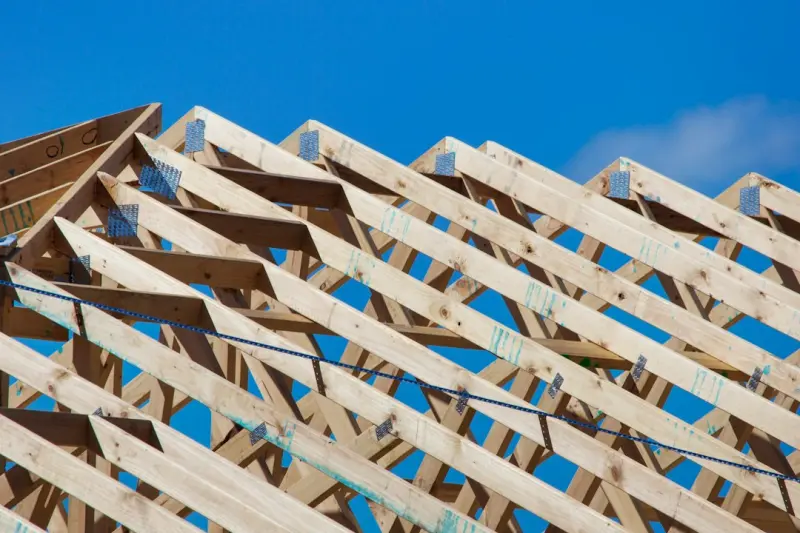
Why Modular Home Construction Is the Quiet Game‑Changer You’ve Been Overlooking
When I first stepped onto a construction site as a rookie carpenter, the chaos felt inevitable – trucks humming, crews shouting, and a mountain of raw timber waiting to be cut. Fast forward a decade, and I’m still that same hands‑on guy, but I now watch a different kind of symphony: modules sliding into place like pieces of a well‑engineered puzzle. The modular approach to home building has moved from the fringes of the industry to the mainstream, and it’s doing so with a quiet confidence that most homeowners—and even many professionals—still don’t recognize.
The Core Idea Behind Modular Construction
At its heart, modular construction is about building sections of a house in a controlled factory environment, then transporting those sections to the building site for rapid assembly. Think of it as prefabricated LEGO bricks, but each “brick” is a fully finished room, complete with plumbing, electrical, insulation, and interior finishes. The difference from traditional on‑site builds is the level of precision and repeatability you get when you’re working under a roof, away from weather delays.
Four Reasons Modular Is Gaining Momentum
- Speed without sacrificing quality. A factory can produce a wall panel in a fraction of the time it would take a crew to frame it on‑site. When those panels arrive, the assembly timeline shrinks dramatically.
- Predictable budgeting. Because most of the work is done in a controlled setting, labor costs and material waste are far more predictable. This reduces the dreaded “cost‑overrun surprise” that haunts many custom home projects.
- Environmental benefits. Factories can optimize material usage, recycle off‑cuts, and employ energy‑efficient processes that are far harder to achieve on a traditional job site.
- Design flexibility. Contrary to the stale “cookie‑cutter” myth, modern modular design allows for truly bespoke homes, with architects leveraging digital tools to customize every module.
Designing for the Factory: A Paradigm Shift
Designing a modular home isn’t just about drawing a floor plan and handing it over to a builder. The process starts with design for manufacture (DfM). In my experience, that means collaborating with engineers early on to ensure that each module can be built, lifted, and stacked safely. The constraints are real—module dimensions must fit within transportation limits, and connections for utilities need to be standardized.
One of the biggest breakthroughs has been the integration of smart woodworking techniques. CNC routers and AI‑driven layout software can cut precise openings for doors, windows, and service ducts, ensuring that each panel arrives ready to be bolted together without a single re‑cut on site.
Bringing the Smart Home Into the Module
Modern homeowners expect more than just four walls and a roof; they want a home that anticipates their needs. Embedding technology at the module stage is a logical step. Imagine a pre‑wired conduit network that runs through every wall, ready for future upgrades—whether it’s a new thermostat, a high‑resolution security camera, or a future‑proof home‑office setup.
Even more compelling is the rise of embedded sensors that monitor structural health. In a modular build, these sensors can be installed before the wall panels are sealed, granting homeowners real‑time data on moisture levels, temperature fluctuations, and even vibrations that could indicate structural stress.
Logistics: The Unsung Hero of Modular Success
Transporting a 12‑foot, 10‑ton module sounds like a logistical nightmare, but the industry has built a sophisticated network of specialized trailers, GPS‑tracked routes, and even micro‑climate containers that protect sensitive finishes from temperature swings. The result? Modules arrive on site as ready‑to‑assemble packages, dramatically reducing on‑site labor.
Moreover, the predictability of delivery windows allows site managers to coordinate trades with laser precision. Electrical crews can be on‑site the moment a module is placed, hooking up to the pre‑installed conduit, while HVAC technicians connect to the pre‑routed ductwork. This choreography eliminates the usual “who’s waiting for whom” bottlenecks that extend project timelines.
Case Study: A Family Home Built in 90 Days
Let me walk you through a recent project that illustrates the power of modular construction. A client wanted a 2,500‑square‑foot custom home with a modern aesthetic, open‑concept living area, and a dedicated home‑office suite. We started with a detailed BIM model, breaking the house down into eight modules: two bedroom pods, a kitchen/dining pod, a living‑room pod, a utility pod, and a small “flex” pod for future expansion.
The factory produced each pod in parallel. While the bedroom pods were being assembled, the kitchen pod’s cabinets, appliances, and even the quartz countertop were installed inside the module. Simultaneously, the living‑room pod received pre‑installed smart lighting, an integrated sound system, and the embedded sensors we discussed earlier.
Once the modules were shipped, a small crew used a crane to stack them on a pre‑prepared foundation. Within 48 hours, the structural envelope was complete. The remaining on‑site work—final exterior finishes, landscaping, and a brief electrical commissioning—took an additional three weeks. The entire process, from groundbreaking to move‑in, wrapped up in just 90 days, a timeline that would have been nearly impossible with a traditional build.
Overcoming Common Misconceptions
Many skeptics argue that modular homes lack character or are limited to “boxy” designs. In reality, the technology now allows for curved walls, vaulted ceilings, and even complex rooflines. Architects use parametric design tools to shape modules that interlock like jigsaw pieces, creating fluid interior spaces that feel anything but industrial.
Another myth is that modular homes are cheaper but lower quality. On the contrary, the controlled factory environment often results in higher build quality. Tight tolerances, climate‑controlled conditions, and rigorous QA checks mean that the finished modules meet or exceed the same standards as on‑site construction, if not surpass them.
The Financial Perspective: ROI for Homeowners and Builders
From a homeowner’s perspective, the faster build time means less interest paid on construction loans, fewer temporary housing costs, and earlier occupancy—each translating into tangible savings. Builders, on the other hand, benefit from higher turnover rates. A crew can complete multiple homes in the time it previously took to finish just one, dramatically improving cash flow.
Insurance premiums also tend to be lower for modular projects. Since many risks—like weather‑related damage—are mitigated by the factory setting, insurers often view modular builds as lower risk, offering more favorable terms.
Regulatory Landscape: Navigating Codes and Approvals
One of the hurdles that initially slowed modular adoption was the patchwork of local building codes. However, many jurisdictions now recognize “modular” as a distinct construction method, with specific guidelines for structural integrity, fire safety, and energy performance. The key is early engagement with local officials and having a clear documentation trail that shows each module’s compliance.
In some progressive cities, modular homes even qualify for fast‑track permits, shaving weeks off the approval process. This regulatory momentum aligns perfectly with the industry’s push for sustainable, rapid construction solutions.
Future Trends: Where Modular Is Headed Next
Looking ahead, three trends will shape the next wave of modular home construction:
- Hybrid Materials. Combining cross‑laminated timber (CLT) with advanced composites will create lighter yet stronger modules, expanding design possibilities.
- AI‑Optimized Production. Machine‑learning algorithms will predict the most efficient module sequences, reducing waste and further speeding up the build process.
- Integrated Renewable Energy. Modules will come pre‑wired for solar panels, battery storage, and even micro‑hydro options for properties with water access, delivering net‑zero homes out of the box.
When you pair these innovations with the data insights from embedded sensors, you get a home that not only adapts to your lifestyle but also learns from it—optimizing energy use, predicting maintenance needs, and ensuring structural health over decades.
Practical Tips for Homeowners Considering Modular
If you’re intrigued by the modular approach, here are a few practical steps to get started:
- Define Your Priorities. List the must‑haves—number of bedrooms, square footage, sustainability goals—and share them early with your architect.
- Choose an Experienced Partner. Look for firms with a proven track record in modular construction and ask for case studies similar to your project.
- Plan for Site Preparation. While the modules arrive ready, the foundation, utilities, and site access must be ready well in advance.
- Engage Early with Regulators. Submit your modular plans early to avoid surprises during the permitting phase.
- Consider Future Expansion. Design “flex” modules now that can be added later without major rework, preserving the adaptability of your home.
Conclusion: A Quiet Revolution Worth Paying Attention To
The modular home movement isn’t about compromising on design or quality; it’s about rethinking how we bring a house from concept to reality. By embracing factory precision, streamlined logistics, and integrated technology, we can deliver homes faster, greener, and more adaptable than ever before. The next time you hear a construction crew humming, it might just be the sound of modules being lifted—quiet, efficient, and ready to become the foundation of tomorrow’s living spaces.

Paul Gray is a dynamic blogger based in Brampton, where he shares his life with his amazing wife, Sarah. Known for his engaging writing style and relatable insights, Paul has carved out a niche in the blogging world that resonates with readers from all walks of life. When he's not crafting captivating posts, you can find him savoring a cold beer or indulging in the latest blockbuster movie. With a friendly demeanor and a passion for storytelling, Paul brings a unique perspective to his work, making him not just a blogger, but a voice for those who appreciate the simple joys of life.
Related Posts
Building a Quiet Home: Acoustic Strategies for Modern Construction
Explore how to design and construct a home that prioritizes sound control, from decoupled walls to a... Read More
Future‑Proof Your Home: Build Flexibility Into Every Square Foot
Discover practical strategies for creating a home that evolves with your lifestyle, using modular la... Read More
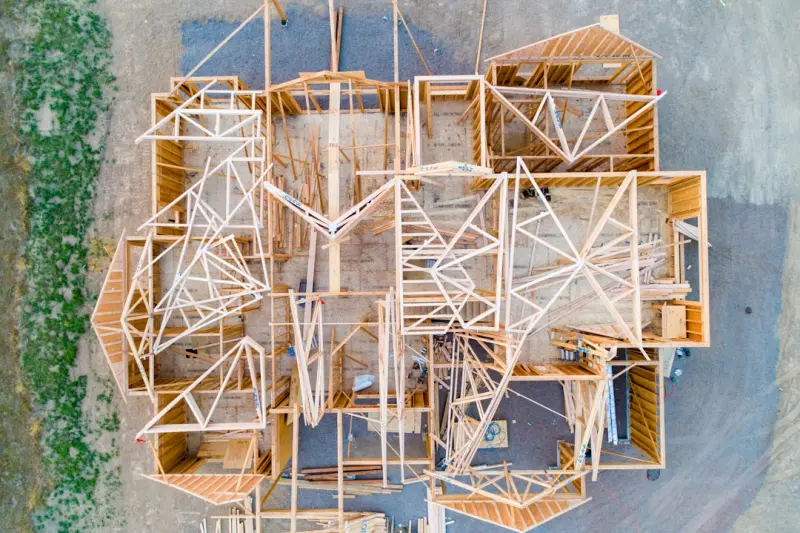
Designing Homes for Disassembly: A Circular Construction Blueprint
A deep dive into designing homes that can be taken apart piece by piece, unlocking reuse, resale, an... Read More
Top Posts
Maximizing Space and Functionality: A Comprehensive Guide to Commercial Renovations
Commercial renovations can transform your workspace, drive business growth, and stay competitive. Learn how to plan, design, and execute a successful commercial...Read More
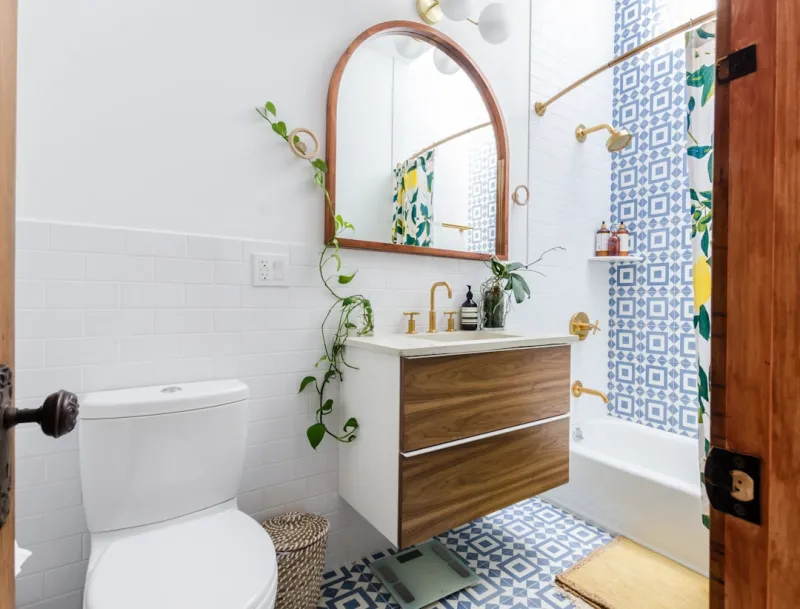
Sustainable Bathroom Renovations: A Guide to Eco-Friendly Upgrades
Learn how to create a sustainable bathroom renovation that's both eco-friendly and functional. Discover the latest trends and technologies in sustainable bathro...Read More

Awning Innovation: Turning Shade into Strategic Asset
A modern awning is more than a shade—it's a high‑tech, sustainable platform that reduces cooling loads, generates solar power, and enhances occupant comfort...Read More

Renovation Checklist: A Strategic Playbook for Seamless Transformations
An in‑depth, actionable renovation checklist that walks you through every phase—from planning and permitting to final walkthrough—ensuring a smooth, costâ...Read More
0 Comments
Post Comment
You will need to Login or Register to comment on this post!