
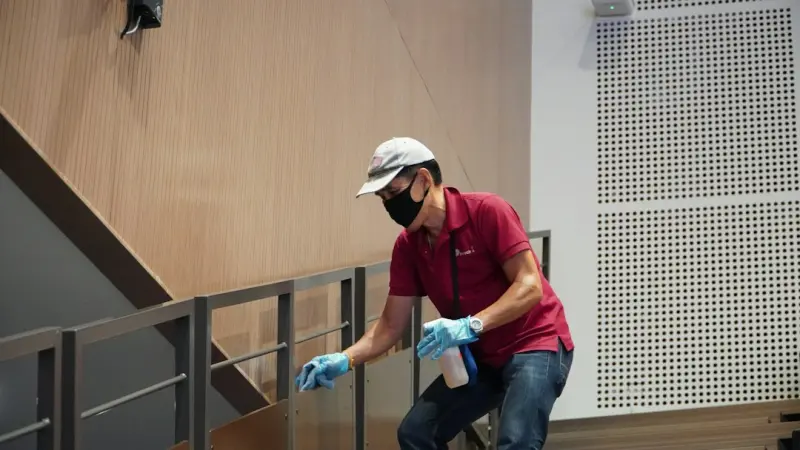
When I first stepped onto a construction site as a rookie HVAC technician, the smell of dust and stale air was a visceral reminder that ducts are the hidden arteries of any building. Over two decades later, I still hear the same sigh of neglect from facility managers who treat duct cleaning as an after‑thought. In my experience, the real story isn’t about wiping grime off metal; it’s about unlocking measurable value—better air, lower energy bills, and a healthier bottom line. This post dives deep into why proactive duct cleaning should be a strategic priority, not a seasonal chore.
The Quiet Economics of Clean Ducts
Most building owners gauge ROI on visible upgrades: new lighting, smart thermostats, or solar panels. Duct cleaning rarely makes the spreadsheet, yet the numbers speak loudly. Dirty ducts can increase fan power consumption by 15‑30%, meaning the motor works harder, the wear‑and‑tear accelerates, and energy costs climb. A simple pre‑ and post‑cleaning audit often reveals a 5‑10% reduction in HVAC electricity usage—a saving that pays for the service in less than a year for midsize commercial spaces.
But the financial argument goes beyond electricity. Clean ducts improve indoor air quality (IAQ), which correlates with reduced employee sick days and higher productivity. The smart home inspection movement has shown that continuous monitoring of IAQ metrics (like PM2.5 and VOC levels) can trigger maintenance alerts before a problem escalates. By integrating duct cleaning into that feedback loop, you transform a reactive fix into a predictive maintenance asset.
From Dust to Data: The Rise of Sensor‑Driven Duct Management
Imagine a network of low‑cost particulate sensors perched inside the supply and return plenums, feeding real‑time data to a building management system (BMS). When the sensor detects a spike in airborne debris—say, after a construction phase or a seasonal pollen surge—the BMS automatically schedules a cleaning crew, logs the event, and updates the maintenance log. This is no longer a gut‑feel decision; it’s an algorithmic one.
Companies that have piloted such sensor ecosystems report a 40% reduction in emergency duct service calls. The technology borrows from the same principles that power smart plumbing dashboards, where flow meters and pressure transducers flag leaks before a pipe bursts. By extending that intelligence to the air distribution network, you gain a holistic view of the building’s “circulatory system.”
Health Implications: Beyond the HVAC Checklist
Post‑pandemic workplaces are hyper‑aware of airborne pathogens. While UV air purifiers and HEPA filters dominate headlines, the ductwork itself can become a breeding ground for mold spores and bacterial colonies if moisture accumulates. A thorough cleaning regimen that includes antimicrobial treatment of internal surfaces can slash these biological loads dramatically.
Research from occupational health labs shows that a 50% reduction in indoor mold spore counts can lead to a 20% decrease in reported respiratory complaints among office workers. This isn’t just a comfort issue; it’s a compliance issue for companies adhering to WELL Building Standards and similar certifications. A clean duct system becomes a documented evidence point during audits.
Strategic Timing: When to Clean, Not Just How
Seasonality plays a role, but the smartest schedules are event‑driven. Major renovations, roof replacements, or changes in occupancy levels are perfect moments to inspect and clean ducts. Even the simple act of changing HVAC filters can serve as a trigger point—if filters are swapped more frequently than the manufacturer recommends, it may indicate higher-than‑normal particle loads, signaling a need for deeper cleaning.
Many facilities adopt a “clean‑first, then calibrate” approach after any major HVAC upgrade. This ensures that new components operate in a pristine environment, extending their service life and preserving warranty terms. Pairing this with the predictive sensor alerts mentioned earlier creates a two‑pronged defense against inefficiency.
Choosing the Right Partner: What to Look For
- Certification and Standards: Look for firms that adhere to NADCA (National Air Duct Cleaners Association) guidelines and have ISO 9001 quality management certification.
- Transparency: A reputable contractor will provide a before‑and‑after video walkthrough, a detailed debris analysis, and a clear work scope.
- Technology Integration: Companies that can feed cleaning data into your existing BMS or IAQ platform give you a measurable return on the service.
- Follow‑up Services: Some providers offer a “clean‑and‑monitor” package, where they reinstall sensors after cleaning to verify improvements.
These criteria help you avoid the common pitfall of hiring low‑cost operators who perform a superficial brush‑off, leaving the system no better than before.
Case Study: A Mid‑Size Office Building Saves $30K Annually
One client of mine, a 150,000‑sq‑ft office tower in the Pacific Northwest, faced rising HVAC electricity costs and employee complaints about stale air. We installed particulate sensors in the main ducts and set a threshold of 0.5 mg/m³ for dust. After three months, the sensors flagged a gradual increase during the dry summer months. A targeted cleaning was performed, followed by a 7% reduction in fan power draw and a 12% drop in overall HVAC electricity consumption.
Over the next year, the building saved roughly $30,000 in energy costs, avoided a $10,000 HVAC motor replacement (thanks to reduced wear), and logged a 15% improvement in IAQ scores during third‑party audits. The client now schedules quarterly sensor‑driven cleanings, turning a once‑annual expense into a strategic cost‑avoidance tool.
Integrating Duct Cleaning with Broader Sustainability Goals
Many organizations are chasing carbon‑neutral certifications. While the focus often lands on renewable energy and waste reduction, duct cleaning directly impacts a building’s carbon footprint by improving system efficiency. A 5% boost in HVAC efficiency can translate into a comparable reduction in CO₂ emissions—an easy win on any sustainability report.
Moreover, clean ducts reduce the need for aggressive chemical treatments or excessive filter replacements, both of which have upstream environmental costs. When you combine duct cleaning with other smart building initiatives—like the intelligent concrete foundation or data‑driven restoration—you create a synergistic effect that amplifies overall performance.
Future Outlook: AI‑Optimized Duct Maintenance
Looking ahead, I see AI algorithms that ingest sensor data, weather forecasts, occupancy patterns, and energy pricing to schedule cleaning at the optimal moment—balancing cost, energy savings, and IAQ. Imagine a system that predicts a 10% dust accumulation during a citywide construction boom and automatically books a service window, all while notifying building occupants of the upcoming maintenance.
These predictive models will also factor in equipment wear curves, suggesting pre‑emptive cleanings before a motor reaches its critical threshold. The result is a truly proactive maintenance culture where duct cleaning is as routine and data‑rich as changing a light bulb.
Takeaway Checklist
- Audit your current duct condition and energy use baseline.
- Install particulate sensors or integrate IAQ monitoring with your BMS.
- Set data‑driven thresholds for cleaning triggers.
- Partner with certified, technology‑savvy duct cleaning firms.
- Align cleaning schedules with other building upgrades or occupancy changes.
- Track savings: energy, maintenance cost avoidance, IAQ improvements.
- Report outcomes to stakeholders and integrate into sustainability narratives.
In the end, duct cleaning is not a box to tick; it’s a lever you can pull to amplify comfort, health, efficiency, and sustainability—all while delivering a clear financial return. The next time you think about maintenance budgets, remember that the ducts you rarely see are the very pathways that keep your building breathing—and thriving.

David MacKinnon is a dynamic freelance writer known for his captivating storytelling and keen insights into the world of technology. With a passion for exploring the intersection of innovation and everyday life, he crafts engaging narratives that not only inform but also inspire his readers.
Related Posts

The Hidden Power of Clean Ducts: A Homeowner’s Guide to Health, Efficiency, and Longevity
Explore the unseen benefits of clean ductwork—from healthier breathing to lower energy bills—and... Read More

The Unseen Path to Cleaner Air: A Homeowner’s Guide to Duct Cleaning
Explore the hidden impact of dirty ducts, learn to spot signs, and get expert advice on DIY checks a... Read More
Clean Ducts: The Underrated Engine of Workplace Comfort and Profit
A data‑driven approach to duct cleaning can slash energy costs, extend HVAC life, and improve empl... Read More
Top Posts
Beyond the Blueprint: How Data-Driven Design is Redefining Commercial Renovations
A deep dive into the emerging framework of data‑driven commercial renovations, showing how sensor analytics, modular design, and employee‑centered strategie...Read More

The Secret Power of Smart Paint: Turning Your Walls into Active Assets
Smart paint blends nanotech, sensors, and adaptive pigments to turn ordinary walls into health‑monitoring, energy‑saving surfaces, offering homeowners a pro...Read More

Waterproofing Secrets for the Modern Sustainable Home
Learn how to protect your sustainable home with smart waterproofing methods, eco‑friendly materials, and real‑time monitoring for lasting performance....Read More

Data‑Driven Snow Removal: Turning Winter Chaos into Predictable Performance
Snow removal is evolving from a reactive chore to a data‑driven operation. Discover how sensors, real‑time forecasts, and automated systems can make winter ...Read More
0 Comments
Post Comment
You will need to Login or Register to comment on this post!