
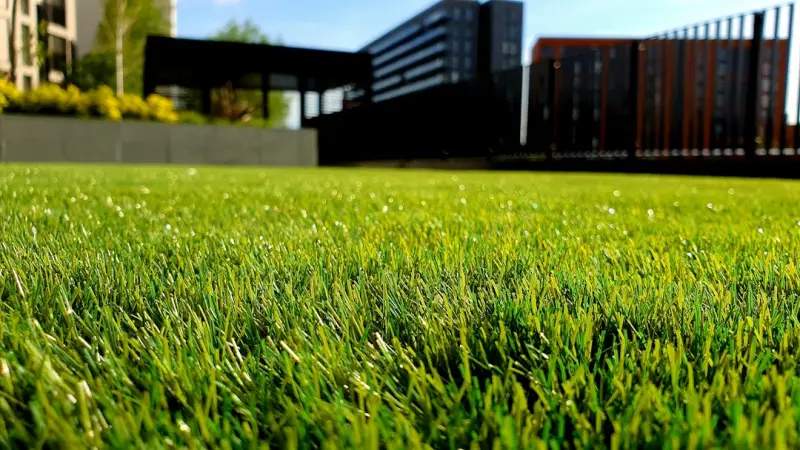
Why Your Corporate Lawn Is a Secret Weapon for Employee Engagement
When most executives think about workplace performance they picture open‑plan desks, high‑speed Wi‑Fi, or a sleek coffee bar. Few consider the strip of grass outside the building as a strategic asset. As someone who has spent years walking the line between facilities management and employee experience, I’ve learned that a thoughtfully maintained lawn does more than please the eye – it quietly fuels morale, health, and even the bottom line.
The Lawn as an Extension of Office Culture
Company culture is built on shared spaces, rituals, and the stories that emerge when people gather. A well‑kept lawn becomes a natural backdrop for informal meetings, brainstorming sessions, and the occasional lunch break. Unlike a conference room, the outdoor setting invites movement, fresh air, and a break from the constant hum of screens.
- Spontaneous collaboration: A walk‑over the green can turn a routine catch‑up into a creative sprint.
- Stress reduction: Studies show that even brief exposure to grass and open sky lowers cortisol levels.
- Brand storytelling: A thriving lawn signals that the company cares about its environment – a point that resonates with clients and prospects alike.
Health Benefits That Translate to Productivity
Employees who have easy access to an outdoor area tend to take short, active breaks throughout the day. These micro‑breaks improve circulation, reduce eye strain, and boost mental clarity. In fact, a recent outdoor mood benefits report highlighted a 12 % rise in self‑reported focus after a 10‑minute walk on campus grass.
Beyond mental health, a clean lawn reduces allergens that can linger in indoor air, especially when the grass is mowed regularly and kept free of overgrowth. This translates to fewer sick days and a healthier workforce overall.
Cost‑Effective Maintenance Strategies
Many businesses shy away from lawn care because they assume it’s a pricey, time‑consuming obligation. The truth is, with a data‑driven approach, you can keep expenses under control while achieving premium results. Below are three tactics that have worked for my clients:
- Seasonal mowing schedule: Instead of a weekly grind, map mowing to growth patterns. In cooler months, cutting once a month is sufficient; during peak growth, twice a week keeps the turf dense without over‑cutting.
- Targeted irrigation: Use soil moisture sensors to water only where needed. This prevents waste, protects local water resources, and lowers utility bills.
- Grass‑type selection: Choose varieties that thrive in your climate with minimal fertilizer. A mix of drought‑tolerant species can reduce maintenance frequency dramatically.
These measures are reinforced by insights from property maintenance insights, which show that proactive, metric‑based scheduling cuts overall service costs by up to 18 %.
Environmental Impact Without the Buzzwords
While sustainability is a hot topic, the lawn can be a low‑key champion of ecological stewardship. By avoiding excessive fertilization and opting for native grass blends, you reduce runoff that could pollute nearby waterways. Additionally, a healthy lawn acts as a carbon sink, capturing CO₂ throughout the growing season.
In practice, this means:
- Implementing a composting program for grass clippings, turning waste into nutrient‑rich soil amendments.
- Establishing a rain garden at the lawn’s lowest point to capture runoff and support beneficial insects.
- Partnering with local nurseries for seed donations, fostering community ties while keeping costs low.
Designing the Lawn for Multifunctionality
Think of the lawn as a flexible stage. With a few design tweaks, it can accommodate a range of activities without sacrificing its aesthetic appeal.
- Outdoor work pods: Small, weather‑proof tables and power strips let teams set up temporary stations for brainstorming.
- Wellness zones: Add a yoga mat and a shade structure for guided stretch sessions during lunch.
- Event space: Reserve a section for product launches or client receptions – the natural backdrop adds an upscale, relaxed vibe.
When these zones are integrated thoughtfully, the lawn becomes a dynamic part of the daily workflow rather than an afterthought.
Measuring ROI: From Grass to Gains
Quantifying the impact of lawn care can feel intangible, but a few key metrics tell the story:
| Metric | What It Shows | Typical Improvement |
|---|---|---|
| Employee satisfaction scores | Correlation between outdoor access and morale | +8 % |
| Average sick days per employee | Health benefits linked to cleaner air and stress reduction | –1.2 days/year |
| Utility costs (irrigation) | Effectiveness of moisture‑sensor watering | –22 % |
These figures are not just abstract; they translate directly into lower turnover, reduced healthcare expenses, and a stronger employer brand.
Implementing a Lawn‑First Mindset
To get started, follow this three‑step playbook:
- Audit the existing space: Identify current grass health, drainage issues, and usage patterns.
- Define objectives: Are you prioritizing employee wellness, client impression, or cost savings? Set clear, measurable goals.
- Partner with a specialist: Choose a provider who understands both horticulture and corporate needs – one that can blend aesthetics with data‑driven maintenance.
Remember, the lawn is not a static backdrop; it’s a living platform that evolves with the company’s culture. Treat it as a continuous project, and revisit your goals quarterly to ensure alignment.
Conclusion: Grass Isn’t Just Grass
In the race for competitive advantage, the most effective weapons are often the simplest. A thriving lawn can become a quiet catalyst for collaboration, health, and brand differentiation. By treating the grass outside your office as a strategic resource, you unlock a suite of benefits that ripple through every level of the organization.

Tom Ferguson is a Canadian freelance writer with a passion for storytelling, current events, and thoughtful commentary. Drawing on years of writing experience, he shares engaging insights on a wide range of topics, bringing a uniquely Canadian perspective to his work.
Related Posts

Reviving Soil for Lush, Resilient Lawns
A comprehensive, data‑informed approach to lawn care that starts with soil health, uses precise wa... Read More
Nurturing the Soil Microbiome: A New Frontier for Lush Lawns
A deep dive into the hidden world beneath your grass reveals the soil microbiome as the key to a hea... Read More
Revitalize Your Lawn: A Soil‑First Strategy for Thriving Grass
A soil‑first approach transforms your lawn into a resilient, low‑maintenance oasis. Learn how to... Read More
Top Posts

Designing Sustainable Paving: From Permeable Paths to Smart Surfaces
A fresh look at paving that blends sustainability, design, and smart tech, offering practical steps for durable, climate‑smart outdoor surfaces....Read More

Window Treatments That Work: A Veteran Contractor’s Guide to Sustainable Style
Tom Ferguson shares insider tips on choosing, installing, and maintaining sustainable window treatments that save energy, look great, and last for years....Read More
Bringing the Outdoors In: Biophilic Kitchen Renovations for Healthier Homes
Explore a fresh approach to kitchen remodels that blends natural light, organic materials, and living greenery, creating a healthier, more inviting heart of the...Read More

Reimagining Furniture Restoration: Craft Meets Science
A deep dive into merging traditional woodworking skills with modern science, offering step‑by‑step diagnostics, material selection, and protective strategie...Read More
0 Comments
Post Comment
You will need to Login or Register to comment on this post!