

Woodworking as a Personal Wellness Toolkit
When I first set up a modest workbench in my garage, I thought I was just looking for a new hobby. What I didn’t anticipate was how deeply the act of shaping timber would infiltrate my mental, emotional, and even physical health. Woodworking, for many, is a trade or a side‑business; for me, it quickly became a daily ritual that steadies the mind, sharpens focus, and reconnects me to the tactile world we’re increasingly losing in a screen‑saturated culture.
The Science Behind the Grain
Researchers have long noted the calming effect of natural materials. The biophilic response—our innate attraction to nature—extends beyond plants and sunlight; the scent of fresh‑cut lumber, the feel of a smooth planed surface, and the rhythmic push‑pull of a hand‑plane all trigger a cascade of neurochemical changes. Dopamine spikes, cortisol drops, and a subtle rise in serotonin combine to create what many call a “flow state.” In practical terms, that means fewer distractions, heightened creativity, and a more resilient mindset.
Choosing the Right Project for Your Mood
Not every piece of woodwork is created equal when it comes to therapeutic value. Below is a quick guide to match a project type with the emotional outcome you’re seeking:
- Stress‑relief builds: Simple, repetitive tasks—like sanding a small wooden box or carving a set of coasters—provide a meditative rhythm that eases anxiety.
- Confidence boosters: Projects with visible, incremental progress (e.g., a bookshelf that grows layer by layer) reinforce a sense of achievement.
- Creative expression: Free‑form carving, inlay work, or designing a custom coffee table let you explore artistic instincts without the constraints of a strict plan.
- Physical activation: Larger builds—such as a garden bench or a reclaimed‑wood dining table—require full‑body movement, turning the workshop into a low‑impact workout.
Setting Up a Wellness‑Centric Workshop
Before you dive into a project, think of your workshop as an extension of your sanctuary. A few intentional choices can amplify the therapeutic benefits:
- Lighting: Natural light is ideal. If that’s not possible, opt for full‑spectrum LED lamps that mimic daylight, reducing eye strain and fatigue.
- Air quality: Wood dust is a silent health hazard. Invest in a high‑efficiency particulate air (HEPA) filter and a shop vac with a fine‑dust collection bag. A breath of clean air keeps the mind clear.
- Ergonomics: Height‑adjustable workbenches, cushioned floor mats, and proper tool grips prevent the physical aches that can sabotage your mental focus.
- Scent: Keep a small cedar block or a sachet of dried lavender nearby. The subtle aroma reinforces the natural vibe of the space.
Integrating Technology Without Losing the Soul
While the core of this post celebrates the analog, I can’t ignore the digital tide that’s reshaping how we approach the craft. Tools like CNC routers, laser cutters, and 3‑D modeling software have democratized precision, but they also risk turning a soulful process into a sterile, button‑press experience. The key is balance: let technology handle the repetitive, high‑tolerance cuts, and reserve the hands‑on work for the parts that matter most to your personal connection.
For those curious about the broader implications of tech in the shop, the piece From Sawdust to Smart Spaces offers an excellent overview of how digital tools can augment, not replace, the maker’s intuition.
Storytelling Through Grain
Every board carries a narrative—its species, growth rings, knots, and color variations. When you let those natural markings guide your design, you create a dialogue between maker and material. Instead of forcing a piece of pine into a sleek, minimalist box, consider a design that celebrates its irregular edge or the whisper of a knot. This approach not only yields a more authentic object but also deepens your emotional investment.
Mindful Finishing: From Rough to Refined
The finishing stage is where the meditation truly peaks. Applying oil, wax, or lacquer in thin, deliberate strokes forces you to slow down and observe the wood’s response. Here are three finishing rituals that double as mindfulness exercises:
- Oil Massage: Warm a small amount of tung oil between your palms before spreading it. The warmth transfers to the wood, and the slow, circular motion mirrors a gentle body massage.
- Wax Polishing: Use a soft, lint‑free cloth to rub in beeswax. The repetitive back‑and‑forth motion can be akin to a breathing exercise—inhale as you rub, exhale as you buff.
- Layered Lacquer: Apply a thin coat, let it dry, then sand lightly before the next. The pause between coats offers a built‑in reflection period, encouraging you to assess the piece’s evolution.
Community and Collaboration
Woodworking need not be a solitary pursuit. In my town, a monthly “Maker’s Circle” gathers in a repurposed barn where seasoned carpenters and novices swap tips, tools, and stories. The social component adds another layer of well‑being: shared laughter, collective problem‑solving, and the simple joy of seeing a neighbor’s project come to life.
If you’re interested in how collaborative spaces can be designed to respond to human needs, check out When Architecture Learns to Listen. The principles of responsive design apply just as well to a workshop layout as they do to a public building.
From Hobby to Healing: Real‑World Case Studies
Below are three concise case studies that illustrate how woodworking can function as a therapeutic conduit.
Case 1: The Veteran’s Re‑Entry Program
A nonprofit in the Pacific Northwest partnered with a local carpentry school to offer a 12‑week woodworking curriculum to veterans transitioning back to civilian life. Participants reported a 40% reduction in self‑reported anxiety scores, attributing the improvement to the tactile nature of the work and the camaraderie built around shared projects.
Case 2: Corporate Stress‑Relief Workshops
A tech startup introduced a “Wood‑Break” program, allowing employees to spend two hours each week in a dedicated workshop space. The initiative led to a measurable drop in turnover and a rise in employee satisfaction surveys, highlighting the value of manual creation in high‑pressure environments.
Case 3: Senior Living Communities
In a retirement village, a weekly “Woodworking Club” was launched, focusing on low‑impact projects like picture frames and small stools. Beyond the physical benefits, residents expressed a renewed sense of purpose, describing the activity as “a bridge to my younger self.”
Practical Tips for Getting Started
If you’re ready to harness woodworking for personal wellness, here’s a starter checklist:
- Identify a small, achievable project that aligns with your current mood.
- Gather essential tools: a quality hand‑plane, a coping saw, a set of chisels, and a reliable workbench.
- Set up a safe, well‑ventilated workspace—don’t underestimate the power of fresh air.
- Choose a wood species that speaks to you; walnut for richness, maple for clarity, pine for warmth.
- Schedule regular “shop time” in your calendar, treating it as a non‑negotiable appointment.
Beyond the Shop: Bringing Wood Into Everyday Life
The therapeutic benefits don’t stop at the bench. Incorporating handcrafted wooden elements into your living space—whether it’s a hand‑carved spoon in the kitchen or a reclaimed‑wood headboard—extends the mindfulness into your daily environment. Each glance becomes a reminder of the intention, patience, and care you invested.
Conclusion: Crafting a Healthier You
Woodworking isn’t just about producing functional objects; it’s a conduit for mental clarity, emotional resilience, and physical well‑being. By approaching the craft with intention—selecting the right projects, curating a supportive workspace, and balancing technology with tactile engagement—you can transform a hobby into a holistic wellness practice. So, the next time you feel the weight of a fresh board in your hands, remember: you’re not just shaping wood—you’re shaping a calmer, more centered version of yourself.

David MacKinnon is a dynamic freelance writer known for his captivating storytelling and keen insights into the world of technology. With a passion for exploring the intersection of innovation and everyday life, he crafts engaging narratives that not only inform but also inspire his readers.
Related Posts

The Art of Sensory Woodworking: Crafting Spaces That Feel as Good as They Look
Discover a fresh approach to woodworking that goes beyond visual appeal—learn to design pieces tha... Read More

Turning Wood Offcuts into High‑Value Creations
Discover how to transform workshop scrap into profitable, eco‑friendly products. This guide offers... Read More

Reviving Hand‑Tool Mastery: Traditional Joinery for Modern Makers
A deep dive into the growing trend of hand‑tool woodworking, covering the benefits of traditional ... Read More
Top Posts

Sustainable Home Renovations: A Comprehensive Guide
Sustainable home renovations reduce environmental impact, improve indoor air quality, and save money on energy costs. Learn how to create an eco-friendly home w...Read More

Powering the Future Home: Adaptive Electrical Panels and On‑Demand Energy Management
Adaptive electrical panels transform traditional breaker boxes into intelligent energy managers, enabling real‑time monitoring, load shifting, and seamless in...Read More

Backyard Sheds and Gazebos: Crafting Versatile Outdoor Retreats
Explore a fresh, functional approach to backyard sheds and gazebos, turning simple structures into versatile spaces for work, hobbies, and relaxation....Read More
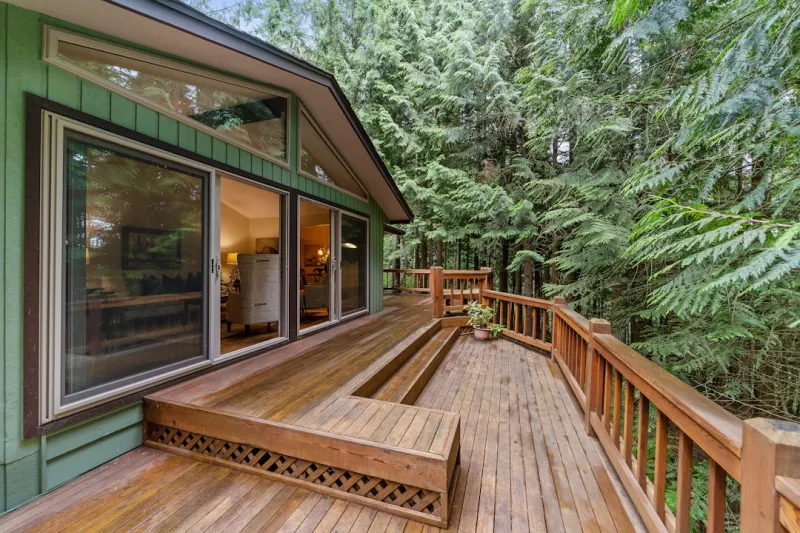
Designing a Sustainable Deck That Becomes Your Year‑Round Sanctuary
A personal guide to creating a sustainable, versatile deck that blends comfort, style, and eco‑friendly choices for every season....Read More
0 Comments
Post Comment
You will need to Login or Register to comment on this post!