
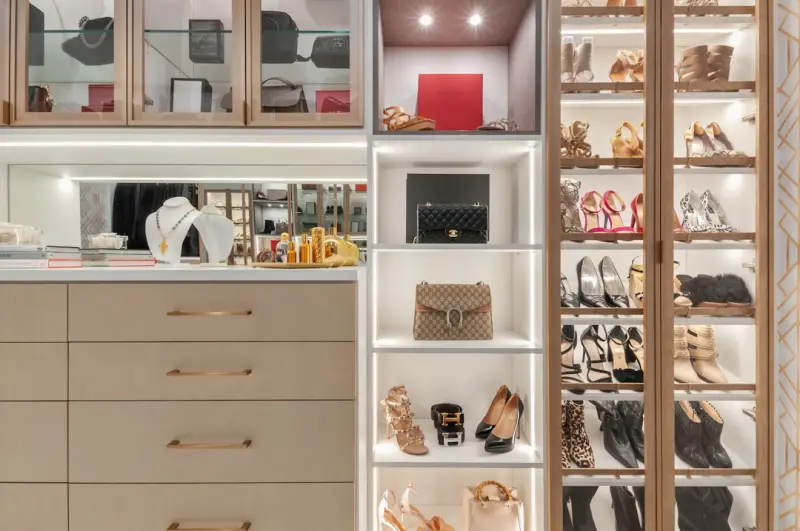
When I first walked into a cramped walk‑in closet that felt more like a maze than a sanctuary, I realized that the battle for space isn’t just a homeowner’s gripe—it’s a strategic flaw that ripples through daily productivity, mental clarity, and even the bottom line for design‑focused businesses. In the fast‑moving world of residential and commercial interiors, closets have graduated from a static storage room to a dynamic, data‑informed ecosystem. This piece explores how to reimagine closet and storage design as a living, breathing component of the built environment, leveraging modular architecture, sensor‑driven inventory, and a circular approach to materials.
Why Traditional Closet Solutions Fall Short
For decades, the industry’s default has been a one‑size‑fits‑all shelving system, bolted into place and forgotten until the next remodel. That model assumes a static inventory of clothing, tools, or office supplies—an assumption that quickly crumbles under real‑world use. The consequences are threefold:
- Inefficient space utilization: Unused corners, mismatched shelf heights, and ad‑hoc additions create pockets of dead volume.
- Increased decision fatigue: When items are hidden or buried, the simple act of choosing an outfit or locating a tool becomes a mental hurdle.
- Higher lifecycle costs: Poorly planned storage forces premature replacement of furniture, fixtures, and even the building’s structural framing.
These pain points are not merely aesthetic; they translate into wasted time, higher energy consumption (think of lights left on while searching for an item), and a diminished sense of control over one’s environment.
From Fixed Shelving to Adaptive Architecture
Adaptive architecture treats storage as a responsive organism. Instead of static panels, imagine a framework of sliding, interchangeable modules that can be reconfigured on demand. The key attributes of such a system include:
- Modular geometry: Hexagonal or rectangular pods that lock together with magnetic or mechanical fasteners, allowing quick rearrangement without tools.
- Load‑responsive support: Integrated load‑sensing beams that redistribute weight, ensuring structural safety even as the configuration changes.
- Integrated power rails: Discreet conduits for lighting, charging stations, or even small appliances, turning a closet into a mini‑workshop or grooming station.
Companies that have begun prototyping these systems report a 30‑40 % reduction in perceived clutter after the first reconfiguration. The flexibility also opens doors for multi‑seasonal wardrobes, seasonal equipment swaps, and even temporary retail pop‑ups within residential spaces.
The Role of Data in Closet Management
Adding sensors to storage isn’t about turning every hanger into a Bluetooth beacon—it’s about capturing actionable data points that inform how the space is used. A few practical implementations include:
- Weight sensors: Detect when a shelf is nearing capacity and suggest a re‑allocation before overload.
- RFID tagging: Tag high‑value items (designer bags, specialty tools) for quick location via a smartphone app.
- Environmental monitoring: Track humidity and temperature to protect delicate fabrics or electronic accessories.
These data streams feed a simple dashboard that visualizes occupancy trends, predicts upcoming storage needs, and even integrates with calendar apps to suggest outfit rotations based on scheduled events. The result is a closet that not only stores items but also intelligently advises on what to keep, rotate, or donate.
Materials That Respect the Circular Loop
When we think about building a resilient storage system, the material story matters as much as the engineering. While the market is flooded with low‑cost particle board, the long‑term cost of replacement and disposal quickly outweighs the initial savings. A circular mindset encourages:
- Reclaimed wood and metal: Salvaged barn beams or industrial steel frames give character and durability while keeping waste out of landfills.
- Recyclable composites: Panels made from post‑consumer plastics that can be re‑melted and reshaped at the end of their service life.
- Biodegradable finishes: Low‑VOC, plant‑based coatings that protect surfaces without introducing harmful chemicals.
Designers who embrace these choices not only enhance the aesthetic narrative of a space but also align with emerging corporate ESG expectations, creating a win‑win for clients and the planet.
Preserving Heritage Through Virtual Replicas
Many historic homes feature bespoke cabinetry and custom closets that are irreplaceable cultural assets. Instead of demolishing or altering these pieces, a growing practice involves creating detailed digital replicas that guide restoration and future adaptation. By scanning the original joinery and feeding the data into a parametric model, craftsmen can fabricate new components that match the original aesthetic while integrating modern functionality. Learn more about this approach in preserving heritage through virtual replicas.
Harmonizing Closet Design With the Rest of the Home
A well‑designed storage area should speak the same visual language as the surrounding rooms. This means:
- Choosing hardware finishes that echo kitchen or bathroom fixtures.
- Aligning lighting temperature with adjacent living spaces for a seamless flow.
- Incorporating shared design motifs—such as a recurring geometric pattern—across doors, panels, and wall treatments.
When closets become an extension of the overall design narrative, they stop feeling like a hidden utility and start acting as a showcase for thoughtful curation.
Leveraging Environmental Data for Home Assets
Closets, especially those housing temperature‑sensitive fabrics or electronic accessories, benefit from the same environmental intelligence that is being applied to external building envelopes. By tapping into the data streams that monitor rain, humidity, and temperature—similar to the systems highlighted in harnessing environmental data for home assets—owners can automate climate control within storage zones. For instance, a slight increase in humidity could trigger a low‑energy dehumidifier, protecting wool sweaters from moth damage without manual oversight.
Implementation Roadmap: From Concept to Reality
Transitioning to a data‑enabled, modular closet system involves a phased approach:
- Audit existing inventory: Catalog items, note frequency of use, and identify seasonal patterns.
- Define modular zones: Allocate space for core categories (e.g., workwear, formal attire, sports gear) using interchangeable pods.
- Select technology stack: Choose sensors, connectivity protocols, and a user interface that align with budget and privacy preferences.
- Source circular materials: Partner with reclaimed‑material suppliers or manufacturers offering recyclable components.
- Install and test: Begin with a pilot section, gather usage data, and iterate on layout and sensor thresholds.
- Scale and refine: Roll out the system to additional storage areas (garage, pantry, office), continuously fine‑tuning based on analytics.
Each stage builds on the previous one, ensuring that investment is incremental and outcomes are measurable.
Future Outlook: The Closet as a Service Platform
Imagine a subscription model where homeowners receive quarterly updates of modular components, seasonal accessories, or even AI‑driven wardrobe recommendations. This “Closet‑as‑a‑Service” would combine the flexibility of modular design with the convenience of curated content, reducing the friction of owning and maintaining a large personal inventory. As the ecosystem of connected home devices expands, the closet will naturally evolve from a passive storage unit into an active participant in lifestyle management.
Conclusion
Reinventing closet and storage design isn’t a vanity project—it’s a strategic lever for efficiency, wellbeing, and sustainable living. By embracing modular architecture, embedding purposeful sensors, and selecting materials that close the loop, we can turn a once‑overlooked space into a hub of intelligent organization. The journey starts with a single audit and ends with a living system that adapts as our lives change. The future of storage is not static; it’s a dynamic, data‑rich environment that respects heritage, embraces technology, and honors the circular ethos of modern design.

William Roy is a freelance writer originally from Montreal who moved to Ottawa with his wife of 50 years to be closer to their grandkids. Alongside his writing, William has a passion for fishing.
Related Posts

Revolutionizing Closet Organization: The Sustainable Approach
Discover the benefits of sustainable closet design and learn practical tips on how to transform your... Read More

Seasonal Wardrobe Rotation: Turning Your Closet into a Year‑Round Organizer
Learn to transform a static closet into a flexible, seasonal storage solution that simplifies dressi... Read More

Reimagining the Closet: Smart, Sustainable Solutions for Modern Living
Explore innovative closet strategies that blend modular systems, smart tech, and sustainable materia... Read More
Top Posts
Transforming Your Garage Into a Smart, Sustainable Powerhouse
Learn to upgrade your garage with smart tech, sustainable materials, and flexible layouts that boost functionality, energy savings, and home value....Read More
Revolutionizing Kitchen Design: The Future of Countertops
The future of countertops is here. Learn how sustainable materials, innovative manufacturing processes, and smart home renovations are transforming kitchen desi...Read More

Mold Removal Mastery: Detect, Eradicate, and Prevent Hidden Growth
Learn how to detect unseen mold, execute a thorough removal, and use smart tech to prevent future infestations—protecting health and home value....Read More

Creating a Year‑Round Wellness Retreat in Your Sunroom
Transform your sunroom into a daily wellness retreat by leveraging daylight, climate control, clean air, and eco‑friendly materials—creating a versatile san...Read More
0 Comments
Post Comment
You will need to Login or Register to comment on this post!