

When you think about the perimeter of a corporate campus, the first thing that usually pops into mind is a line of steel or wood that says, “Stay out.” But what if that line could say a lot more? What if it could whisper sustainability, shout brand personality, and even hand us data about the health of our buildings? As someone who’s spent years watching the quiet evolution of property assets, I’ve started to view fencing not as a static barrier, but as a dynamic interface between a company’s values and its physical footprint.
The Quiet Revolution: From Guardrails to Greenwalls
Traditional fencing has always been about security—keeping people, pets, and equipment where they belong. Yet the modern workplace is less about fortifying a space and more about curating experiences. Today’s living fence systems blend structural integrity with ecology. Imagine a lattice of reclaimed timber entwined with native vines, or a series of perforated metal panels that host moss and succulents. These installations do three things at once: they act as a physical barrier, improve air quality, and create micro‑habitats for pollinators.
Beyond the aesthetic, there’s a measurable impact. Green‑filled fences can reduce storm‑water runoff by up to 30 %, a boon for campuses in rain‑prone regions. They also serve as carbon sinks, offsetting a slice of the emissions generated by office operations. And because they’re visible, they become a daily reminder to employees and visitors that the organization cares about the environment.
Modular Fencing: Speed, Sustainability, and Scalability
One of the biggest headaches in facilities management is the time it takes to upgrade or replace perimeter solutions. Enter modular fencing solutions. These are prefabricated panels that snap together like a giant, secure jigsaw puzzle. The beauty of modularity lies in its adaptability: if you need to expand a site, relocate a parking lane, or simply refresh the look, you can do it without the months‑long disruption of traditional construction.
- Speed: Installation times shrink from weeks to days, freeing up valuable real‑estate for core business activities.
- Material Efficiency: Panels are often made from recycled aluminum or reclaimed wood, reducing waste and the carbon footprint of the project.
- Future‑Proofing: As technology advances, you can swap out integrated components—like solar‑powered lighting or RFID readers—without a full redesign.
For a company that values agility, modular fencing is a natural extension of that mindset. It tells employees that the organization isn’t just fast in the market; it’s fast at adapting its physical environment to meet evolving needs.
Data‑Driven Fence Maintenance: The Unseen ROI
We’ve all heard the hype about data‑driven fence maintenance. Sensors embedded in fence posts can monitor structural stress, detect corrosion, and even flag intrusions in real time. This isn’t about turning a fence into a sci‑fi security system; it’s about proactive care that saves money and prevents safety incidents.
Consider a stainless‑steel post equipped with a tiny vibration sensor. When wind or impact exceeds normal thresholds, the sensor logs the event and notifies the facilities team. Maintenance crews can then prioritize the most at‑risk sections, avoiding blanket inspections that waste labor hours. Over a five‑year horizon, the cost savings from reduced emergency repairs can offset the modest upfront expense of the sensors by 40 % or more.
Beyond cost, there’s the intangible benefit of peace of mind. Knowing that your perimeter is constantly “listening” for issues aligns with a broader shift toward predictive maintenance across all building systems. It’s a small step that fits neatly into a larger strategy of turning every asset into a source of actionable insight.
Acoustic Fencing: Quieting the Urban Jungle
Noise pollution is a silent productivity killer. Open‑plan offices already struggle with the hum of HVAC, chatter, and the occasional construction clatter. Adding a layer of acoustic fencing around the perimeter can dramatically lower external noise intrusion, creating a calmer interior environment.
Acoustic panels, often made from recycled rubber or high‑density fiberglass, can be incorporated into fence designs without sacrificing security. The panels absorb sound waves, reducing decibel levels by up to 12 dB—a difference that can transform a bustling street front into a serene workspace. For companies that prioritize employee well‑being, this is a low‑cost, high‑impact upgrade.
Branding the Boundary: Fencing as a Canvas
Every touchpoint with a brand matters, and the perimeter is no exception. Companies are increasingly using fence graphics to reinforce corporate identity. From bold, company‑colored stripes to intricate murals that tell a brand story, the fence becomes a moving billboard that greets employees, clients, and the community.
Choosing sustainable inks and biodegradable substrates ensures that the visual impact doesn’t come at the expense of the planet. And because the graphics are applied to modular panels, they can be refreshed or rebranded with ease—perfect for organizations that evolve their visual language frequently.
Security Meets Sustainability: Smart Access Controls
Integrating access control technology into fences can replace the need for separate gatehouses or guard booths. RFID readers, biometric scanners, and even mobile‑phone credentials can be discreetly embedded into the fence line. When an authorized employee approaches, the gate lifts silently, and a log entry records the time, location, and identity.
This convergence of security and sustainability reduces the carbon footprint associated with traditional guard stations (lighting, heating, staffing) while enhancing the user experience. Employees appreciate the seamless flow, and security teams gain richer data for audit trails and anomaly detection.
Circular Economy Principles: From Scrap to Fence
In the spirit of the circular economy, many forward‑thinking facilities managers are sourcing fence components from industrial by‑products. Steel off‑cuts become the backbone of sturdy panels; reclaimed pallets are repurposed into decorative picket fences; and old shipping containers are sliced into sleek, lockable storage units that line the perimeter.
This approach does three things: it cuts material costs, reduces landfill waste, and tells a powerful narrative about resourcefulness. Employees walking past a fence built from yesterday’s surplus can’t help but feel a sense of pride in the organization’s ingenuity.
Seasonal Flexibility: Adaptive Fencing for Climate Resilience
Climate change is reshaping the way we think about outdoor infrastructure. In regions prone to flooding, a fence that can be raised or lowered on hydraulic legs provides an extra line of defense. In hot climates, retractable shade panels integrated into the fence can lower ground temperatures, reducing the heat island effect.
Such adaptive solutions are often modular, meaning they can be retrofitted onto existing fence lines. The added flexibility ensures that the perimeter continues to serve its protective role, even as environmental conditions shift.
Employee Engagement Through Perimeter Projects
Involving staff in fence design and installation can boost morale and foster a sense of ownership. Workshops where teams choose plant species for a living fence or co‑design graphic panels turn a mundane construction task into a collaborative experience. The result? A fence that reflects the collective identity of the workforce and a boost in engagement metrics that rivals even the most elaborate corporate wellness programs.
Cost‑Benefit Snapshot
- Initial Investment: Modular and green fences may have a 10‑15 % higher upfront cost compared to standard chain‑link.
- Payback Timeline: Savings from reduced maintenance, storm‑water management, and lower energy use often result in a 3‑5 year payback period.
- Intangible Gains: Enhanced brand perception, improved employee well‑being, and alignment with sustainability goals.
When you stack these benefits together, fencing transforms from a cost center into a strategic asset—one that protects, inspires, and informs.
Getting Started: A Simple Roadmap
- Audit Your Current Perimeter: Identify pain points—security gaps, maintenance headaches, branding opportunities.
- Define Your Objectives: Is your priority sustainability, speed of installation, data collection, or employee engagement?
- Choose the Right Materials: Consider recycled aluminum, reclaimed wood, or living plant systems.
- Partner with Modular Providers: Look for suppliers who offer prefabricated panels and can integrate sensors or branding elements.
- Implement a Pilot Section: Start with a high‑visibility area to test performance and gather feedback.
- Scale and Iterate: Use data from the pilot to refine the design and roll out across the campus.
By approaching fencing as a living, data‑rich, brand‑forward system, you align a seemingly static element with the dynamic nature of modern business. The perimeter stops being a wall and becomes a welcome mat—one that says, “We’re secure, we’re sustainable, and we’re here to innovate.”

When it comes to the world of blogging and writing, Rose DesRochers is a name that stands out. Her passion for creating quality content and connecting with her audience has made her a trusted voice in the industry. Aside from her skills as a writer and blogger, Rose is also known for her compassionate nature.
Related Posts

The Evolution of Sustainable Fencing: A Comprehensive Guide to Eco-Friendly Outdoor Spaces
Sustainable fencing is a critical aspect of eco-friendly outdoor design. Learn about the evolution o... Read More

Crafting the Perfect Fence: A Personal Journey into Design, Sustainability, and Function
Explore the art of fence building with a focus on sustainable materials, smart design, and long‑la... Read More
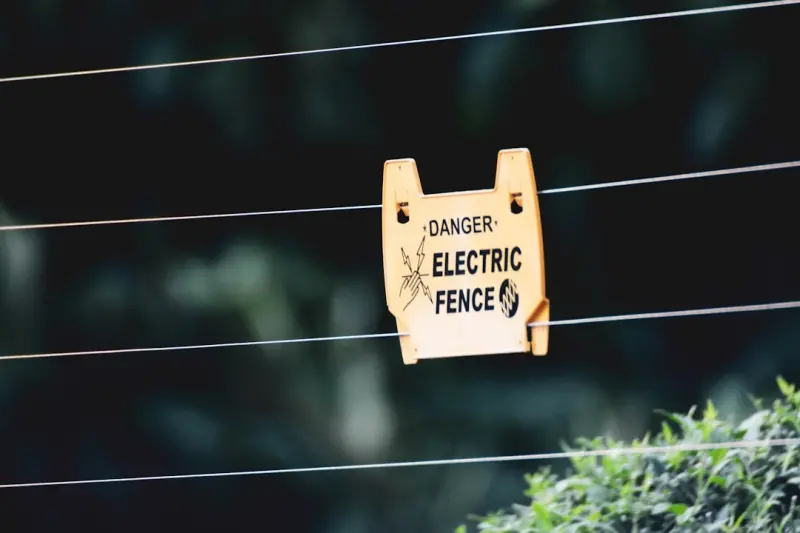
Smart Fences: Turning Perimeters Into Living, Learning, and Securing Platforms
Explore the evolution of fencing from a static barrier to a smart, living system that integrates IoT... Read More
Top Posts
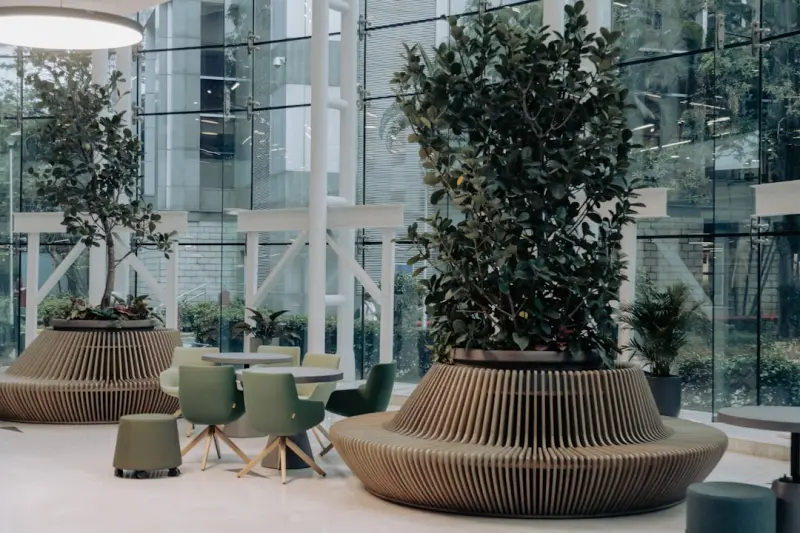
Biophilic Design‑Build: Crafting Spaces That Breathe and Thrive
A deep dive into biophilic design‑build, showing how nature, smart sensors, and integrated teamwork create healthier, energy‑efficient buildings that enhanc...Read More
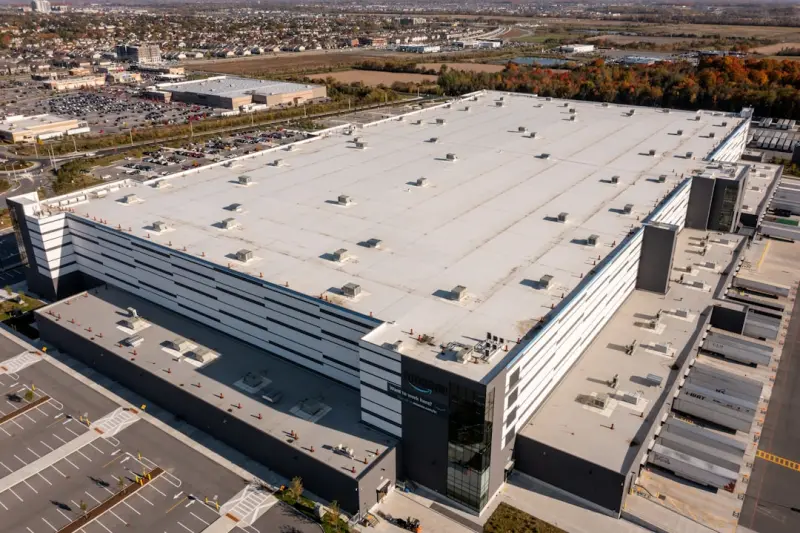
Why Gutter Intelligence Is the Next Frontier in Facility Management
Gutters are often overlooked, but with sensor‑enabled monitoring and predictive cleaning, they become a strategic asset that reduces water damage, lowers main...Read More

Why Texture‑Driven Wallpaper Is the Quiet Powerhouse of Modern Offices
A deep dive into how tactile, performance‑focused wallpaper transforms offices by improving sound control, indoor air quality, employee wellbeing, and brand s...Read More

Nature‑Inspired Window Treatments: Elevating Light, Comfort, and Sustainability
Explore fresh strategies for window treatments that blend nature, technology, and sustainability, boosting occupant wellbeing while reducing energy use....Read More
0 Comments
Post Comment
You will need to Login or Register to comment on this post!