
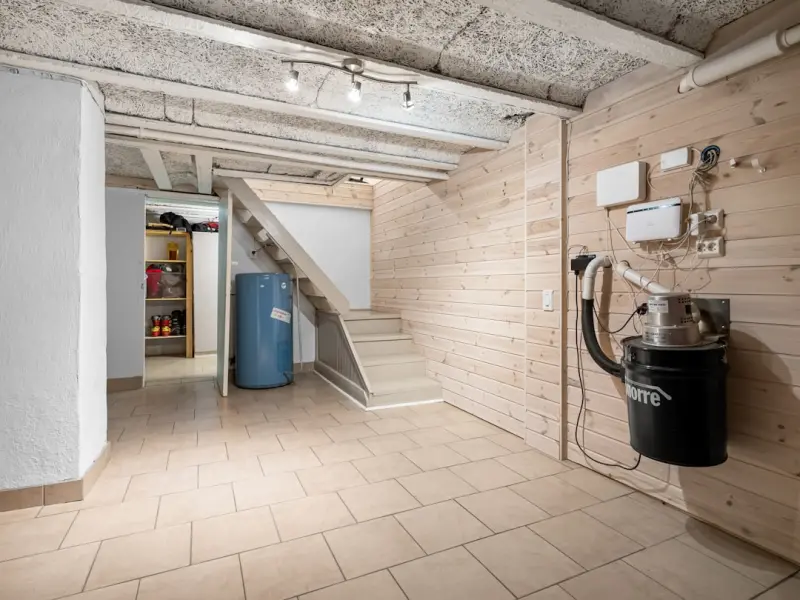
Why Waterproofing Is No Longer a Basement Concern
When I first started tackling leaks, I thought the battle was limited to foundation walls and crawl spaces, but the modern home tells a different story—water finds its way through decks, balconies, and even solar panel mounts, demanding a broader defensive mindset. Every exterior surface that meets the elements becomes a potential ingress point, and overlooking them can turn a charming patio into a soggy nightmare that erodes both wood and confidence. My approach now starts with a holistic audit, mapping each junction where air, light, and water converge, then prioritizing interventions that protect the structure without sacrificing style.
The Rise of Transparent Membranes in Outdoor Living
Gone are the days when waterproofing meant black rubber sheets that screamed “industrial”; today’s architects are installing clear, high‑performance membranes that let sunlight filter through while forming an invisible shield against moisture. These polymer‑based barriers adhere directly to wood, concrete, and even glass, offering UV resistance and breathability that traditional coatings lack, so you can enjoy a sun‑kissed deck without worrying about rot lurking beneath. I’ve seen homeowners pair these membranes with reclaimed timber, achieving a seamless blend of durability and aesthetics that feels both modern and timeless.
Integrating Waterproofing with Renewable Energy Systems
As more households adopt rooftop solar arrays, the junction between panels and roof decks becomes a hotspot for water intrusion, especially when mounting hardware pierces the roofing surface. By selecting waterproof flashings that are engineered to accommodate photovoltaic mounts, you create a watertight envelope that protects both the roof’s lifespan and the solar investment, turning two sustainability goals into a single, cohesive system. I always recommend a layered approach: a base membrane, a secondary sealant, and a protective over‑layer that can be inspected without dismantling the panels, ensuring long‑term performance with minimal maintenance.
DIY Green Waterproofing: Bio‑Based Sealants for the Eco‑Savvy Homeowner
Traditional sealants often rely on petrochemical blends that off‑gass and linger in the environment, but a new generation of bio‑based alternatives uses plant oils, lignin, and recycled rubber to create flexible, water‑repellent films. These green sealants not only reduce your carbon footprint but also offer comparable elasticity and adhesion, making them suitable for everything from garden planters to wooden pergolas. In my recent projects, I’ve mixed a hemp‑derived resin with a natural tackifier, achieving a barrier that cures quickly, resists mold, and can be sanded for a smooth finish—proof that sustainability and performance can walk hand in hand.
Maintaining Waterproof Integrity Over Time: A Sensor‑Driven Approach
Even the best‑installed membrane can degrade, and spotting trouble before it becomes visible is where technology shines; moisture sensors embedded behind the sealant send real‑time alerts to your phone, allowing you to intervene before a minor seep turns into a costly repair. By integrating these devices with a home automation hub, you create a proactive maintenance loop that logs humidity trends and suggests optimal resealing windows, effectively turning passive protection into an active, data‑driven system. Learn more about how smart sensors are reshaping home inspection here, and consider adding a few discreet probes to your next waterproofing project.
Case Study: Transforming a Sunroom Into a Year‑Round Oasis
One of my favorite challenges was converting a glass‑enclosed sunroom into a comfortable, leak‑free sanctuary that could be enjoyed in winter as well as summer, without sacrificing the panoramic views that made the space special. We began by stripping the existing roofing, then applied a dual‑layer system: a liquid‑applied polyurethane membrane for seamless coverage, followed by a clear, UV‑stable top coat that preserved the glass aesthetic while adding a durable barrier against snow and rain. The result was a sunroom that stayed dry, maintained its thermal comfort, and even increased the home’s resale value—a win for both function and financial foresight.
Budgeting for Long‑Term Waterproof Success
Investing in quality waterproofing can feel like a hefty upfront expense, but when you break down the cost per square foot and compare it to the potential damage of a single leak, the economics become clear; a well‑sealed deck or roof can save thousands in structural repairs, mold remediation, and interior finishes over a decade. To keep the project financially sustainable, I recommend allocating 15 % of your renovation budget to waterproofing, then phasing the work to align with other upgrades—this way you avoid surprise costs and ensure each element receives proper attention. For a deeper dive into building flexibility and budgeting, check out my guide on future‑proofing your home.
Final Checklist: From Planning to Performance
Before you roll up your sleeves, run through this quick audit: identify all exterior penetrations, select a membrane suited to the substrate, confirm UV and temperature ratings, install moisture sensors where feasible, and schedule a post‑install inspection after the first rain event. Remember to document each step with photos and sensor data, creating a maintenance log that future homeowners or contractors can reference, preserving the waterproof legacy you’ve built. With these practices, you’ll transform the old notion of waterproofing from a reactive fix into a proactive, integrated strategy that protects your home for generations.

Tom Ferguson is a Canadian freelance writer with a passion for storytelling, current events, and thoughtful commentary. Drawing on years of writing experience, he shares engaging insights on a wide range of topics, bringing a uniquely Canadian perspective to his work.
Related Posts

Beyond the Sheet: Modern Strategies for Long‑Lasting Waterproofing
Explore innovative waterproofing methods that combine breathable membranes, green sealants, and sens... Read More
Sustainable Waterproofing: Green Solutions for Long‑Lasting Home Protection
Explore how eco‑friendly waterproofing can safeguard your home, lower your carbon footprint, and i... Read More

Green Waterproofing: Turning Eco‑Membranes Into a Strategic Asset
Discover the rise of green waterproofing, from bio‑based liquids to recycled sheet membranes, and ... Read More
Top Posts
Solar Energy as a Strategic Business Asset: From Grid Dependency to Autonomous Innovation
Solar is no longer just an ESG checkbox; it’s a powerful business engine. This post explores how companies can leverage solar generation, storage, and AI fore...Read More
Dynamic Zoning: How AI Is Transforming Home Climate Control
Dynamic zoning leverages AI, sensors, and wearables to personalize heating and cooling, offering superior comfort, lower energy use, and proactive maintenance f...Read More

The Intersection of Landscaping and Sustainable Home Design
Sustainable landscaping is a critical component of sustainable home design. Learn how to create a beautiful and eco-friendly outdoor space with native plants, r...Read More

The Future‑Ready Garden: Blending Nature and Smart Tech for Everyday Bliss
A tech‑enhanced garden goes beyond gadgets, offering intelligent watering, responsive solar lighting, and vertical planting to create a sustainable, low‑mai...Read More
0 Comments
Post Comment
You will need to Login or Register to comment on this post!