
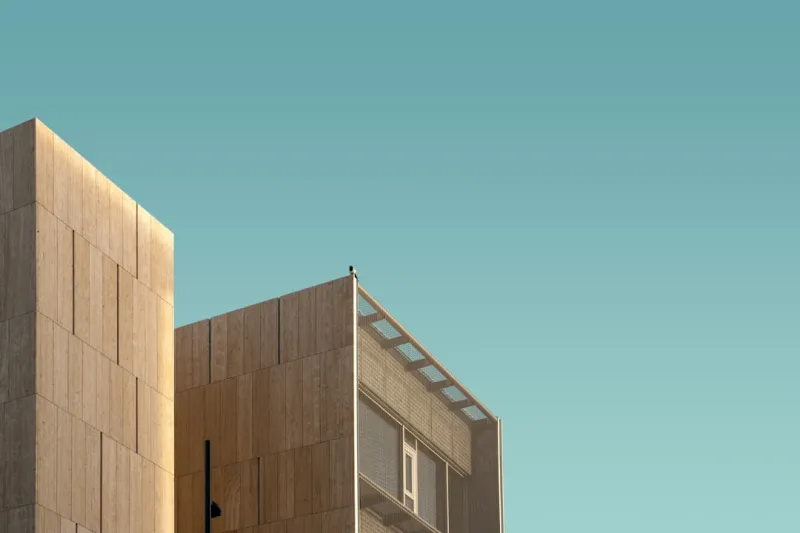
The Visionary Role of the Architect in a Sustainable Era
In today’s design climate, the architect is no longer just a creator of aesthetic marvels; we are custodians of the planet, tasked with weaving sustainability into every line on the drawing board. My practice, shaped by years of collaboration with veteran contractors, has taught me that true innovation begins with asking how a building will age, breathe, and contribute to its community over decades. By foregrounding climate‑responsive strategies—passive solar orientation, natural ventilation, and locally sourced materials—we transform a mere structure into a living, resilient organism that honors both its occupants and the environment. The shift from “add‑on” green features to an integrated design philosophy is where the future of architecture truly begins.
Choosing Materials that Speak to Place and Purpose
Material selection is the silent language of architecture, whispering stories of geography, culture, and climate to every observer. I favor reclaimed timber, low‑embodied‑energy concrete, and—most importantly—brick that tells a story of durability and thermal mass. The article Building with Brick and Vision: Sustainable Masonry Trends explores how modern brickwork can reduce heating loads while celebrating regional heritage. When brick is paired with thoughtful detailing, it acts as a thermal regulator, absorbing heat by day and releasing it at night, which dramatically cuts reliance on mechanical HVAC systems. This harmony of form, function, and locality is the cornerstone of my design ethos.
Design‑Build Collaboration as a Catalyst for Green Innovation
Collaboration between designers and builders is the crucible where sustainable ideas are tested and refined. My experience with seasoned tradespeople revealed that early dialogue prevents costly retrofits and unlocks creative solutions that might otherwise be overlooked. The piece Design‑Build Secrets: How I Turn Visions into Sustainable Realities illustrates how a unified team can streamline material procurement, reduce waste, and embed energy‑saving details from the foundation up. When architects speak the contractor’s language—specifying clear tolerances, modular assemblies, and adaptable systems—the entire project moves faster, greener, and with fewer surprises. This synergy not only improves the building’s performance but also cultivates a culture of shared responsibility for the planet.
Passive Design: Harnessing Nature’s Free Energy
Passive design is the art of letting nature do the heavy lifting, and it remains the most cost‑effective pathway to net‑zero performance. By aligning floor plates with the sun’s trajectory, we capture daylight and warmth without resorting to artificial lighting or heating. Strategic shading devices—deep overhangs, pergolas, and operable louvers—filter glare while preserving winter sun, creating a dynamic envelope that adjusts with the seasons. Incorporating thermal mass, such as exposed brick walls, stores this solar gain and releases it slowly, smoothing temperature fluctuations. When these principles are embedded from the schematic stage, the building’s operational energy demand drops dramatically, delivering long‑term savings for owners and a lighter carbon footprint for the world.
Integrating Green Roofs and Living Walls for Urban Resilience
In dense urban contexts, green roofs and living walls act as multifunctional systems that mitigate heat islands, manage stormwater, and enrich biodiversity. My recent projects have layered sedum, native grasses, and edible herbs on rooftops, turning underutilized slabs into productive ecosystems that insulate the structure and provide residents with fresh produce. Living walls, composed of modular plant panels, improve indoor air quality while delivering a biophilic aesthetic that boosts occupant wellbeing. The careful selection of drought‑tolerant species, coupled with drip irrigation sourced from rainwater harvesting, ensures these installations thrive with minimal maintenance, embodying the principle of regenerative design.
Smart Technologies that Complement, Not Compete, with Passive Strategies
While passive design forms the backbone of sustainability, smart technologies amplify its impact by providing real‑time feedback and adaptive control. Integrated building management systems monitor temperature, humidity, and occupancy, adjusting ventilation and shading to maintain optimal comfort with minimal energy waste. Sensors embedded in walls can detect moisture intrusion early, preventing mold growth and preserving structural integrity—an insight echoed in the veteran contractor’s guide to sustainable mold removal. By pairing these digital tools with thoughtful physical design, architects can create responsive environments that learn from their occupants, continuously optimizing performance while preserving the simplicity of passive principles.
Lifecycle Thinking: From Construction to Deconstruction
Designing for the entire lifespan of a building forces us to consider not only how it will be used, but also how it will be retired. Selecting reversible connections, designing for disassembly, and cataloging material inventories enable future reuse or recycling, reducing landfill waste. For instance, specifying modular wall panels that can be detached without demolition opens pathways for adaptive reuse, turning a former office into a community studio with minimal new material input. This cradle‑to‑cradle mindset aligns with circular economy goals, ensuring that today’s architectural triumphs become tomorrow’s resource pools rather than burdens.
Educating Clients and Communities About Sustainable Value
Ultimately, the success of sustainable architecture hinges on clear communication and education. I spend dedicated time walking clients through energy models, material passports, and long‑term cost analyses, translating complex data into relatable narratives. When owners understand that an upfront investment in high‑performance glazing or advanced insulation pays off through reduced utility bills and enhanced occupant health, they become champions of green design. Extending this dialogue to the broader community—through workshops, design charrettes, and transparent post‑occupancy evaluations—creates a ripple effect, inspiring neighbors to demand higher standards and fostering a collective commitment to a healthier built environment.

When it comes to the world of blogging and writing, Rose DesRochers is a name that stands out. Her passion for creating quality content and connecting with her audience has made her a trusted voice in the industry. Aside from her skills as a writer and blogger, Rose is also known for her compassionate nature.
Related Posts

Dynamic Facades: The Future of Adaptive Architecture
Adaptive façades turn building envelopes into responsive systems that cut energy costs, boost occup... Read More

Designing Sensory Architecture: How Tactile, Light, and Sound Shape Tomorrow’s Spaces
Discover the power of sensory architecture—using touch, light, and sound—to create adaptable, hu... Read More
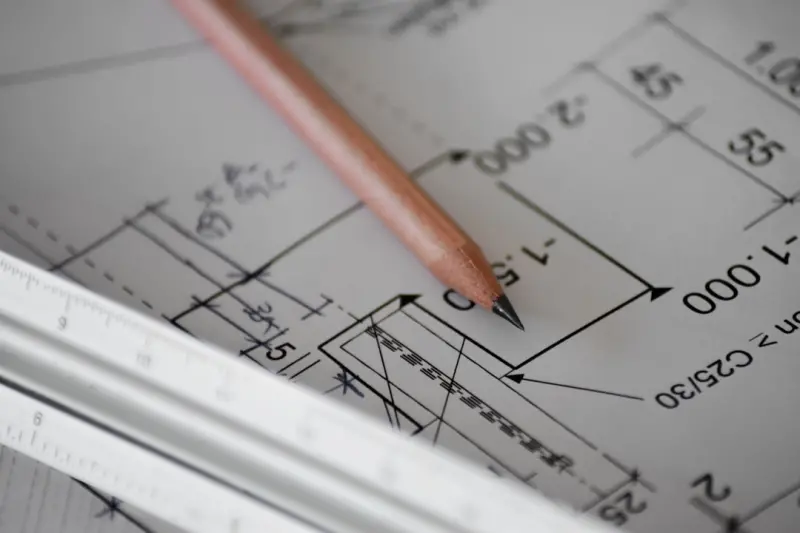
Parametric Design: Data‑Driven Facades Redefining Urban Skylines
Parametric design turns building skins into responsive, data‑infused systems that enhance energy e... Read More
Top Posts

The Snow Removal Revolution: A Sustainable Approach to Winter Maintenance
Learn how to make your snow removal more sustainable with eco-friendly methods, equipment, and property maintenance tips that minimize environmental impact....Read More

The Ultimate Renovation Checklist for a Healthy, Future‑Proof Home
A comprehensive, purpose‑driven renovation checklist that guides homeowners through budgeting, sustainable material selection, acoustic comfort, smart repurpo...Read More
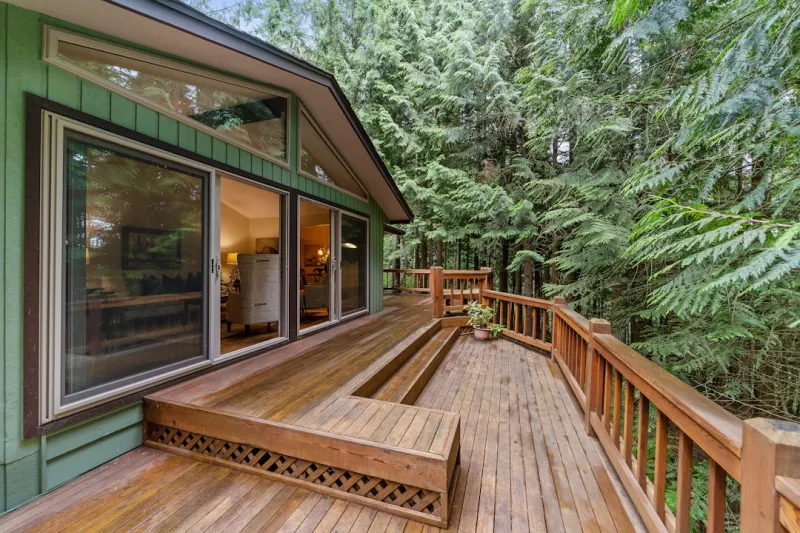
Designing a Sustainable Deck That Becomes Your Year‑Round Sanctuary
A personal guide to creating a sustainable, versatile deck that blends comfort, style, and eco‑friendly choices for every season....Read More
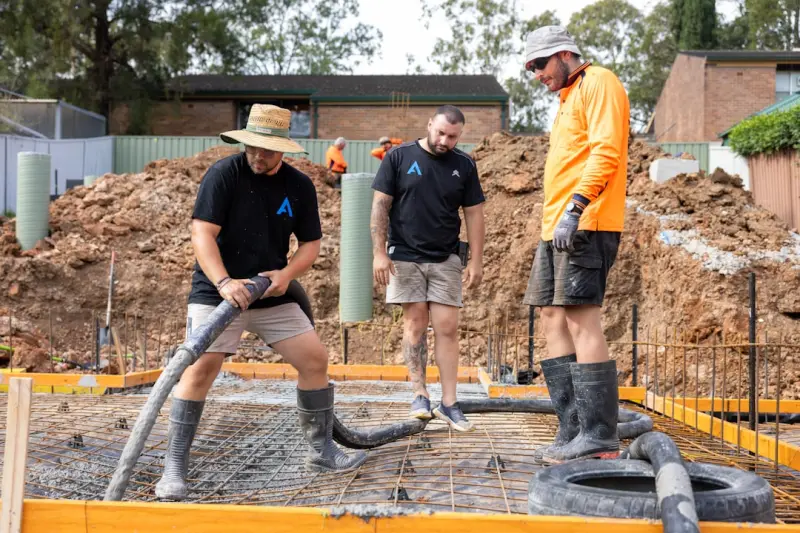
Why Proactive Foundation Repair Is the Unsung Competitive Advantage for Commercial Properties
A deep dive into why treating foundation health as a strategic asset can cut costs, improve tenant satisfaction, and enhance ESG performance, complete with a st...Read More
0 Comments
Post Comment
You will need to Login or Register to comment on this post!