

Why the Old Checklist Isn’t Enough Anymore
When I first got my license as a home inspector, the industry’s playbook was simple: walk through a property, jot down what you see, and hand the homeowner a stack of paper. Ten years later, the same checklist still exists, but the expectations have shifted dramatically. Homeowners now demand real‑time insights, predictive foresight, and proof that the inspection is more than a snapshot—it’s a living, data‑driven story.
Traditional Inspections: Strengths and Blind Spots
There’s no denying that the classic “look, feel, tap” methodology catches the obvious: cracked foundations, leaking roofs, faulty wiring. But it also leaves gaps:
- Hidden Moisture: Water can travel behind walls for months before a stain appears.
- Energy Leaks: Drafts are often invisible until a thermometer shows a temperature differential.
- Structural Fatigue: Small shifts in framing may not be evident to the naked eye.
These blind spots can become costly surprises after the sale. The good news? Technology is finally giving us the tools to illuminate them.
AI‑Powered Thermal Imaging: Seeing the Unseen
Thermal cameras have been around for a while, but the AI algorithms that now sit behind them are a game‑changer. By training models on thousands of heat signatures, AI can differentiate between a harmless temperature variance and a sign of hidden mold, insulation gaps, or failing HVAC components.
During a recent inspection of a 1970s ranch home, my handheld thermal scanner flagged a “cold spot” behind the kitchen island. The AI‑enhanced software instantly overlaid a risk rating, suggesting a potential moisture intrusion behind the drywall. A follow‑up moisture meter confirmed the presence of a slow leak that had been invisible for years. Without AI, I might have missed it entirely.
What makes this technology truly powerful is its ability to learn. Each new inspection feeds the model, sharpening its predictive accuracy. The result? Faster inspections, fewer false positives, and a level of confidence that traditional methods simply can’t match.
Drone Roof Surveys: From Ladder to Sky
Roof inspections have always been the most dangerous part of my job. Scaling ladders, balancing on uneven shingles, and battling the elements—there’s a reason the industry has a high rate of workplace injuries in this niche.
Enter drones. A compact quadcopter equipped with a high‑resolution camera and GPS can capture a 360° view of a roof in minutes. The real magic happens when that imagery is stitched into a real‑time 3D digital twin. I can walk a client through a virtual roof, point out missing flashings, and even simulate how water would flow during a storm.
One of my recent clients was skeptical about the cost. After the drone fly‑over, the inspection report highlighted a compromised ridge vent that, if left unchecked, could have caused an entire attic to flood during heavy rain. The client saved thousands in repairs and praised the “future‑proof” approach.
IoT Sensors & Predictive Insights: Turning Data Into Action
Smart homes are no longer a novelty; they’re becoming the norm. Yet, most home inspections still treat a house as a static object. By integrating IoT sensors—temperature, humidity, vibration, and air‑quality monitors—into the inspection process, we can transform a one‑time report into an ongoing health monitor.
Imagine installing a low‑power sensor in the basement that logs humidity levels continuously. If the reading spikes above a safe threshold, the system sends an alert to both the homeowner and the inspector’s dashboard. The inspector can then schedule a targeted follow‑up before mold becomes a problem.
These sensors also enable predictive maintenance. By analyzing trends—say, a gradual increase in HVAC runtime—we can forecast component failure months in advance, allowing homeowners to budget for replacements rather than emergency repairs.
The Data Backbone: Digital Twins and Immutable Records
All this data—thermal images, drone point clouds, sensor logs—needs a secure, organized home. That’s where a digital twin of the property comes in. Think of it as a living blueprint that updates every time new data is added.
Beyond convenience, there’s a growing demand for immutable records. Homeowners want proof that the inspection wasn’t tampered with, especially during a sale. By anchoring the inspection data to a blockchain ledger, each report becomes a verifiable, timestamped artifact that can be handed over to lenders, insurers, or future buyers with confidence.
Choosing the Right Tech‑Savvy Inspector
As the tools evolve, so does the skill set required to wield them responsibly. When you’re looking for an inspector, ask these questions:
- Do you use AI‑enhanced thermal imaging? If so, can you show a sample heat map with risk annotations?
- Do you incorporate drone surveys for roof and exterior assessments?
- Are you able to provide a digital twin of the property, and how is that data stored?
- Do you offer ongoing sensor‑based monitoring after the inspection?
Transparency is key. A reputable inspector will be happy to walk you through their workflow, demonstrate the technology, and explain how it benefits you.
Environmental Considerations: Sustainable Inspections
While we’re focused on tech, sustainability remains a core concern. Using drones reduces the need for physical ladders and scaffolding, cutting down on fuel consumption and site disturbance. Moreover, AI can help identify where energy‑saving upgrades—like adding low‑emission bricks or improving insulation—will have the biggest impact.
By combining high‑tech tools with eco‑friendly recommendations, inspections become a catalyst for greener homes, aligning with both homeowner budgets and broader climate goals.
Future Outlook: From Inspection to Home Health Platform
We’re on the cusp of a paradigm shift. The next generation of home inspections will look less like a one‑off event and more like a subscription‑based home health platform. Think of it as a “fitness tracker” for your house—continuous monitoring, predictive alerts, and a clear roadmap for maintenance.
In this model, the inspector evolves into a home performance consultant. They’ll interpret data trends, suggest upgrades, and coordinate with contractors—all through a secure online portal. Homeowners will gain peace of mind knowing that their most valuable asset is being cared for proactively, not just after a problem surfaces.
Conclusion: Embrace the Change, Protect Your Investment
Home inspection is no longer about ticking boxes; it’s about leveraging AI, drones, and IoT to deliver actionable intelligence. By adopting these tools, we can uncover hidden issues, predict future failures, and provide homeowners with a transparent, immutable record of their property’s health.
If you’re buying, selling, or simply maintaining a home, demand an inspection that goes beyond the traditional checklist. The future is already here—let’s make sure your home benefits from it.

Kelly Reynolds is a dynamic freelance writer hailing from the picturesque landscapes of Alberta. A master of the written word, she juggles her passion for storytelling with the exhilarating chaos of being a mother to five spirited children. With an impressive portfolio that spans various genres, Kelly captivates readers through her engaging blog posts and thought-provoking articles.
Related Posts
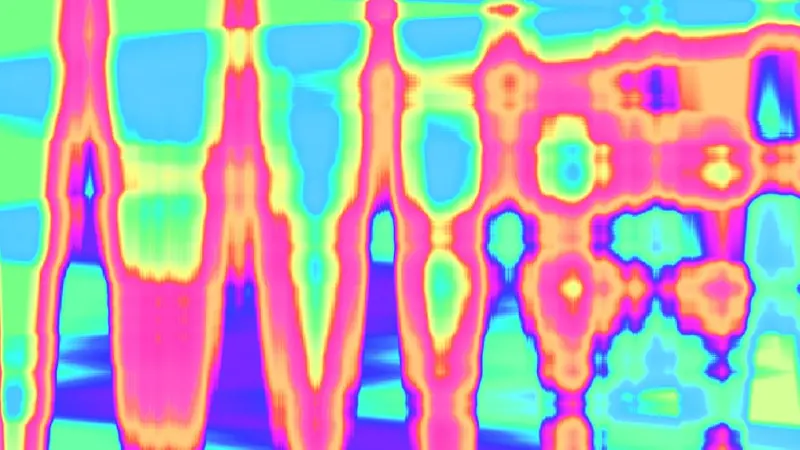
Seeing the Unseen: How Thermal Imaging Elevates Modern Home Inspections
Thermal imaging turns invisible heat patterns into actionable insights, revealing hidden moisture, e... Read More

The Role of Home Inspections in Sustainable Home Design
A thorough home inspection can play a critical role in sustainable home design by identifying potent... Read More
The Green Home Inspection: A Comprehensive Guide to Sustainable Living
A green home inspection is crucial for identifying areas where your home can be more sustainable. Le... Read More
Top Posts

Drywall Mastery: From Planning to Polished Perfection
A seasoned DIY pro shares step‑by‑step drywall secrets, covering eco‑friendly boards, acoustic options, texture trends, and smart‑home integration for a...Read More

Flooring Fundamentals: How Your Choice Shapes Comfort, Health, and Home Identity
Explore how flooring choices influence comfort, health, and style. From sustainable materials to smart heating, get actionable tips for a resilient, beautiful h...Read More

Cultivating a Sensory Garden: A Personal Journey to a Living Sanctuary
Explore a personal guide to building a sensory garden that blends fragrance, texture, edible plants, and sustainable design, turning any backyard into a living ...Read More
Beyond the R-Value: Insulation as a Wellness and ESG Catalyst
Insulation today does more than keep heat in; it enhances indoor air quality, acoustic comfort, and sustainability metrics. Learn how advanced materials and sen...Read More
0 Comments
Post Comment
You will need to Login or Register to comment on this post!